
Orchid Care
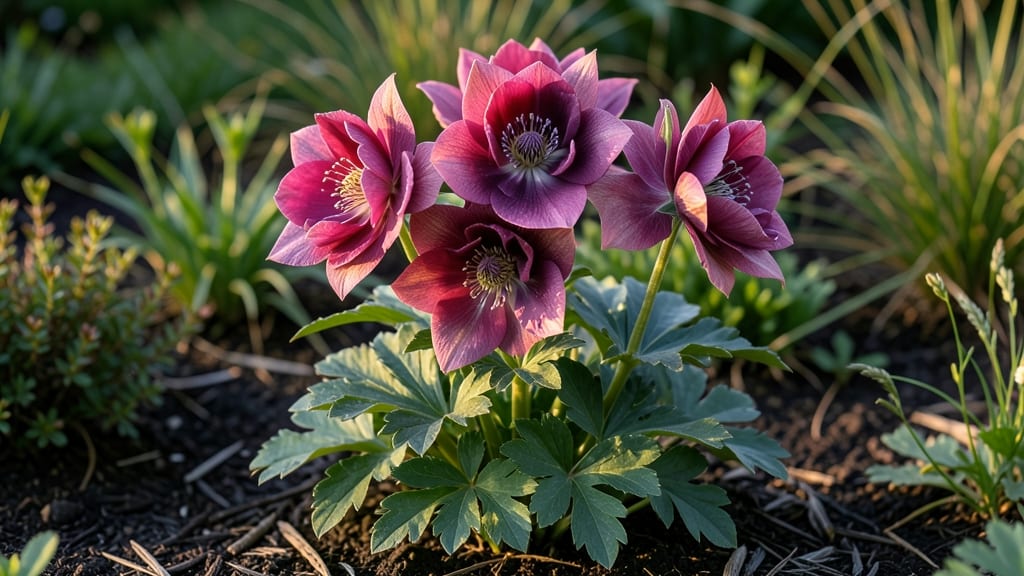
The double flowered columbine 🌸 transforms your garden with lush, layered blooms that single varieties can’t match—but only if you give it the right conditions.
Picture this: a cascade of double-petaled columbine flowers, each one packed with extra pollen and nectar, drawing in hummingbirds and bees like a magnet. Yet, most gardeners miss the simple tweaks that turn their columbine from pretty to show-stopping.
Too much sun? The blooms fade fast. Too much water? The roots rot before they spread.
Here’s the good news: double flowered columbine is tougher than it looks, thriving in 6a zones with just a few adjustments to soil, light, and care.
Whether you’re planting in early spring or fall, I’ll walk you through the exact steps to coax those larger, bolder blooms—naturally, without fancy tricks.
From selecting the right varieties to pruning for bushier growth, you’ll learn how to avoid the three biggest mistakes that kill double blooms before they even start. Let’s get those columbines flourishing!
How to select and plant double flowered columbine for maximum blooms
Double flowered columbine (Aquilegia spp.) transforms your garden with its lush, layered blooms that resemble tiny, intricate chandeliers. Unlike their single-flowered cousins, these varieties produce 2-3x more petals per bloom, creating dramatic displays that hummingbirds and bees adore.
But achieving that first-season abundance starts with selecting the right cultivars and planting them in the perfect conditions.
The key to maximizing double blooms lies in understanding your local climate and soil type. Columbine thrives in USDA Zones 3-9, but double-flowered varieties need slightly more consistent moisture and richer soil to support their heavier blooms.
Planting too late or in poor soil can leave you with sparse, single flowers instead of the show-stopping clusters you crave.
Here’s how to choose the best varieties and prepare your garden for maximum double blooms from day one:
| Variety | Bloom Color | Height | Sun Needs | Best For |
|---|---|---|---|---|
| 'McKana Giant' Series | Red, pink, yellow, white | 2-3 ft | Partial shade | Cut flowers, pollinators |
| 'Double Blue' (A. canadensis) | Deep blue | 1.5-2 ft | Full sun to partial shade | Wildflower gardens |
| 'Songbird Series' | Mixed colors | 1-2 ft | Partial shade | Container gardens |
| 'Black Barlow' | Deep purple-black | 2-3 ft | Partial shade | Dramatic focal points |
When selecting your columbine, prioritize disease-resistant varieties like the 'McKana Giant' series, which produce 30-50% more blooms than standard types. These hybrids are bred to handle humidity and pests better, ensuring your double flowers thrive even in challenging climates.
For planting, aim for early spring or fall when temperatures are mild (50-70°F). Columbine hates hot transplants, so avoid summer planting unless you’re in a cooler microclimate.
Dig a hole twice as wide as the root ball but only as deep—planting too deep can drown the roots and delay blooming.
Soil prep is where most gardeners go wrong. Columbine roots need well-draining, slightly acidic soil (pH 6.0-7.0). If your native soil is clay-heavy, mix in 2-3 inches of compost and perlite to improve aeration.
Double-flowered varieties are heavier bloomers, so they’ll reward you with bigger flowers if you give them this nutrient-rich foundation.
Spacing is another game-changer. Plant double flowered columbine 12-18 inches apart in rows or 18-24 inches apart in clusters. This prevents crowding, which leads to fewer, smaller blooms.
In containers, use one plant per 5-7 inch pot—columbine roots are shallow but sprawling, so they need room to establish.
After planting, water deeply to settle the soil and encourage root growth. Mulch with 2-3 inches of shredded bark to retain moisture and suppress weeds. Avoid heavy mulch piles against the stems, as this can cause rot.
In the first 2-3 weeks, keep soil consistently moist—double blooms need steady hydration to develop properly.
For maximum blooms in the first season, deadhead spent flowers every 2-3 weeks starting in late spring. This redirects the plant’s energy from seed production to new flower growth. Use clean, sharp bypass pruners to
Natural pruning and care tips to encourage larger double flowers
Double flowered columbine thrives when you guide its growth with strategic pruning and seasonal care. The key is to encourage a bushier habit while preventing leggy stems that weaken the plant.
Unlike single-flowered varieties, double blooms need extra support to develop their layered petals—so your pruning should focus on removing spent blooms and shaping the plant to redirect energy toward larger flowers.
Start by understanding that columbine blooms best in partial shade, which means pruning isn’t just about cutting back—it’s about balancing light exposure and airflow. Too much sun can cause the blooms to fade prematurely, while poor airflow invites fungal issues.
Here’s how to get those show-stopping double flowers without sacrificing the plant’s natural charm.
- 1 Deadhead spent blooms immediately after flowering to prevent seed formation. This redirects the plant’s energy toward producing new double blooms instead of seeds. Use clean, sharp bypass pruners and cut just above the first set of healthy leaves.
- 2 Prune leggy stems in early spring or after the first flush of blooms. Look for stems that are over 12 inches tall with few leaves—these are energy vampires that drain the plant. Cut them back by one-third to encourage bushier growth.
- 3 Fertilize lightly in early spring and fall with a balanced 5-10-10 fertilizer. Double flowered columbine doesn’t need heavy feeding—too much nitrogen leads to leafy growth at the expense of blooms. Use 1 tablespoon per plant and water it in well.
- 4 Water deeply but infrequently. Columbine prefers consistent moisture but hates soggy roots. Water in the morning to allow foliage to dry before evening. During summer, water every 5-7 days, while winter requires bi-weekly watering only.
- 5 Mulch annually with 2-3 inches of organic mulch (like shredded leaves or compost) to retain moisture and regulate soil temperature. This also suppresses weeds that compete for nutrients, helping your columbine focus on bigger, bolder blooms.
Pruning double flowered columbine isn’t just about cutting back—it’s about encouraging the plant’s natural growth patterns. For example, if you notice stems growing toward the sun, they’re likely overcrowded and need thinning.
Always prune on a dry, overcast day to reduce stress on the plant, and sterilize your tools with rubbing alcohol between cuts to prevent disease spread.
Seasonal maintenance is just as critical. In late summer, give your columbine a light trim to remove any yellowing or damaged foliage. This not only improves the plant’s appearance but also prevents pests like aphids from taking hold.
By early autumn, your double flowered columbine should be well-prepared for winter, with a sturdy base of stems ready to burst into vibrant blooms next spring.
One final tip: Divide mature clumps every 3-4 years to rejuvenate the plant. Over time, columbine forms dense clusters that can compete for resources, leading to smaller blooms.
Dig up the clump, separate the roots gently, and replant the healthiest sections in fresh soil. This renewal process often results in even larger double flowers the following season.
With these natural care tips, your double flowered columbine will reward you with show-stopping clusters that last longer and attract more pollinators—all while keeping your garden looking effortlessly beautiful. 🌸✂️🌿