
Flowers
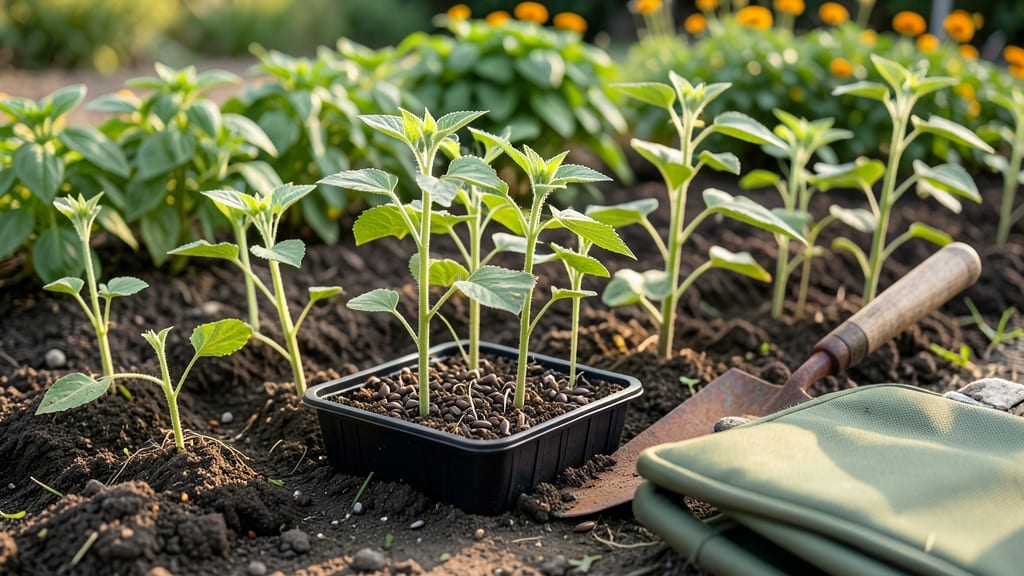
Plant sunflowers in the ground after your last frost date when soil temperatures hit 50°F or warmer — that’s the fastest way to guarantee those towering 🌻 blooms you’re dreaming of.
Picture this: you’ve got your seeds ready, the garden bed prepped, but the ground is still too cold. Weeks pass, and your sunflowers? Still just sprouts struggling to stand up. That’s not just a slow start—it’s a missed opportunity for bold, sun-filled stems by summer.
In USDA Zone 6a, that means waiting until mid-April at the earliest, but warmer climates can start as soon as March. The key isn’t just the calendar—it’s the soil.
A quick finger test (or a soil thermometer) tells you when it’s truly ready, and that’s what separates a thriving sunflower patch from a sad, leggy disappointment.
Below, I’ll walk you through exactly how to time it right—plus pro tips for warming the soil faster, adjusting for your region, and keeping those 🌻 giants growing strong all season long.
Optimal soil temperature for sunflower germination and growth
Sunflowers thrive when planted in warm soil, but getting the timing right can make the difference between vigorous growth and weak, leggy seedlings. The magic starts at 45°F (7°C)—this is the minimum temperature for sunflower seed germination.
However, for rapid, healthy growth, aim for soil temperatures above 60°F (15°C). Cold soil slows down germination and can lead to rotting seeds or stunted plants.
Most gardeners focus on last frost dates, but soil temperature is just as critical. Even after frost danger has passed, cool, damp soil can delay germination for weeks. That’s why I always check both air temperature and soil temperature before planting.
A simple soil thermometer (just $10) is your best friend here—it gives you real-time data to avoid guesswork.
Here’s the breakdown of what to expect at different soil temperatures:
| Soil Temp (°F/°C) | Germination Rate | Growth Speed | Best Planting Window (USDA Zones) |
|---|---|---|---|
| 45-50°F (7-10°C) | Slow (7-14 days) | Very Slow | Zones 3-5 (late May) |
| 50-59°F (10-15°C) | Moderate (5-10 days) | Slow to Moderate | Zones 6-8 (April-May) |
| 60-69°F (15-20°C) | Fast (3-7 days) | Rapid | Zones 9-11 (March-April) |
| 70°F+ (21°C+) | Very Fast (2-5 days) | Explosive | All zones (early spring) |
🌱 Pro Tip: Use black plastic mulch to warm soil by 5-10°F faster!
If you’re in USDA Zones 3-5, your best bet is to plant sunflowers after Memorial Day when soil temperatures consistently stay above 50°F (10°C). In Zones 6-8, you can start as early as late April, but always verify with a soil thermometer.
For Zones 9-11, you can plant sunflowers as early as February in some microclimates.
To test your soil temperature, insert the thermometer 2-3 inches deep in the ground on a shady day (soil heats up faster in direct sun). Check it in the late afternoon when temperatures are at their peak.
If it’s below 50°F (10°C), wait a few more days—your seeds will thank you with faster germination.
Once your sunflowers sprout, they’ll grow 2-3 inches per day in ideal conditions (60°F+ soil and full sun). But if soil stays cool, you’ll see leggy, weak seedlings that struggle to stand upright. That’s why I always pair early planting with row covers to trap heat and speed up growth.
For succession planting, aim for a 2-week gap between batches to ensure continuous blooms. In warm climates, you can even plant a second crop in late summer for fall flowers. Just remember: hot soil above 85°F (29°C) can stress sunflowers, so provide afternoon shade in extreme heat.
One common mistake is planting sunflowers too early and then getting frustrated when they don’t sprout. I’ve learned the hard way—patience pays off. Wait until the soil is consistently warm for at least a week before planting.
Your sunflowers will reward you with taller stems, bigger blooms, and healthier seeds.
🌻 Ready to plant? Grab your soil thermometer, check those temps, and get those seeds in the ground when conditions are perfect for sunflower success!
How to adjust planting time for faster sunflower growth
Want those sunflower stalks shooting up like rocket ships instead of crawling along? The trick is warming the soil faster than nature normally would. Cold ground slows germination by weeks, leaving you with leggy, weak plants that bolt too early.
But with a few simple adjustments, you can extend your growing season and enjoy continuous blooms from spring to fall.
Even in USDA Zone 6a, where the last frost hits around mid-April, you can start sunflowers 2-3 weeks earlier using soil-warming tricks. The key is controlling temperature—not just waiting for the calendar.
Whether you’re dealing with a short summer or just eager to see those 🌻 faces sooner, these methods work like magic for impatient gardeners.
- 1 Use black plastic mulch to raise soil temps by 10-15°F within days. Lay it down 1-2 weeks before planting—it traps heat from sunlight while suppressing weeds. Remove it once seeds sprout to avoid overheating.
- 2 Start seeds in cold frames or mini greenhouses to germinate indoors 4-6 weeks before your last frost. Move hardened-off seedlings outside when soil reaches 50°F. This buys you critical early growth before summer heat arrives.
- 3 Try row covers (floating fabric tunnels) to create a microclimate. They add 5-8°F of warmth and protect seedlings from chilly nights. Remove covers during the day once plants are 4 inches tall to avoid overheating.
- 4 Plant in succession every 2 weeks after your first planting for nonstop blooms. Staggered plantings ensure continuous harvests—perfect for cutting gardens or birdseed production. Just mark your calendar and keep soil warm for each new batch.
- 5 Test soil temps daily with a soil thermometer—aim for 60°F+ for fastest germination. If temps drop below 50°F, delay planting or use a heat mat under containers. Pro tip: Morning sunlight on dark soil warms it fastest.
For late-summer sunflowers, try a second planting in early July—these varieties mature faster and bloom just in time for fall color. Just remember: dwarf varieties (like 'Teddy Bear') tolerate cooler soils better than giant types (like 'Mammoth'), so choose wisely based on your timing goals.
Don’t let cool springs or short summers hold you back. With these tricks, you’ll have sunflowers reaching for the sky weeks ahead of schedule—and maybe even a second round of blooms before frost. The secret? Warm soil + patience (and maybe a little black plastic magic). 🌱