
Plants
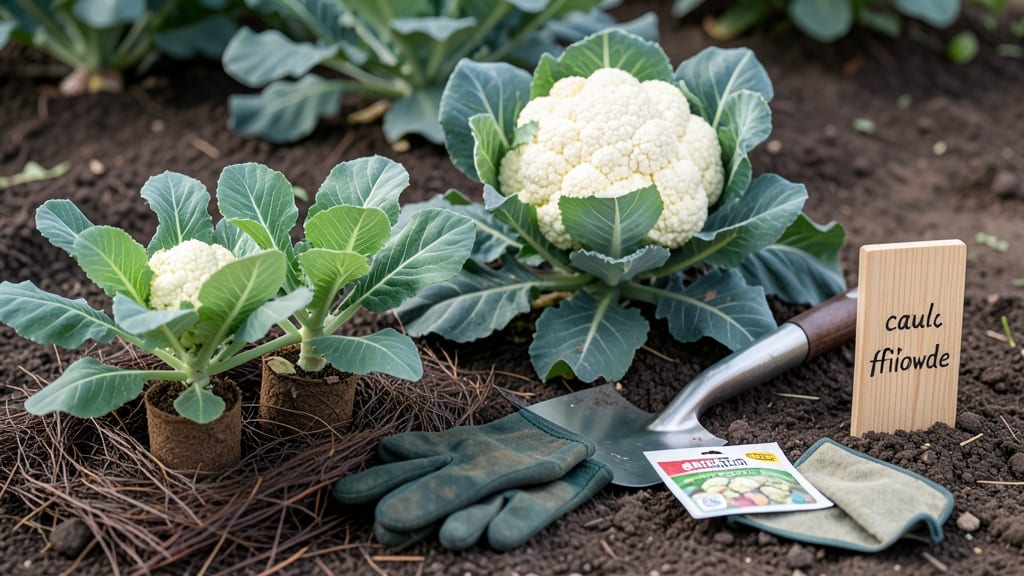
Planting cauliflower in Georgia requires precise timing to avoid bolting or frost damage—aim for February–March or August–September for two harvest windows.
Georgia’s warm climate and long growing season make cauliflower 🥬 a rewarding crop—but timing is everything to avoid bolting or frost damage. Miss the window, and you’ll end up with bitter heads or no harvest at all.
In USDA Zones 7b–8a, spring planting should start 4–6 weeks before the last frost (mid-March), while fall planting needs 80–100 days before the first frost (mid-November).
Below, I break down exact dates, soil temperature thresholds, and regional microclimate adjustments to help you plant with confidence.
Georgia cauliflower planting calendar: exact dates by USDA Zone 7b-8a
Cauliflower thrives in Georgia’s mild winters and warm springs—but only if planted at the perfect moment. In USDA Zones 7b-8a, your window is tight: spring (February-March) and fall (August-September). Miss these dates, and you risk bolting (premature flowering) from heat or frost damage.
Let’s break down the exact timing for both seed-starting indoors and direct sowing outdoors, plus how to handle Georgia’s 85°F+ heat thresholds.
Georgia’s last average frost date falls around mid-March (Zone 7b) to early March (Zone 8a), while the first frost typically hits mid-November. This gives you a 200-240 frost-free day window—ideal for two planting cycles.
The key is avoiding heat stress, which triggers bolting when temperatures exceed 85°F for more than a few days. For fall crops, start seeds 80-100 days before your first frost to ensure harvests before winter sets in.
📅 Spring Planting (Primary Harvest): Your best bet is to start seeds indoors 6-8 weeks before your last frost (late January to early February). Transplant seedlings outdoors 4-6 weeks before the last frost (early to mid-March). For direct sowing outdoors, wait until soil temperatures reach 45°F+ and nighttime temps stay above 50°F (mid-March). Harvests will be ready by May-June.
🍂 Fall Planting (Secondary Harvest): Begin seeds indoors 8-10 weeks before your first frost (late July to early August). Transplant seedlings outdoors 6-8 weeks before frost (mid-September). For direct sowing, plant seeds outdoors in late August when soil temps drop below 80°F. Aim for harvests by October-November before frost hits.
| Planting Stage | Zone 7b Dates | Zone 8a Dates | Key Notes |
|---|---|---|---|
| Start Seeds Indoors (Spring) | Late January - Early February | Late January - Early February | Use grow lights; keep temps 60-70°F. |
| Transplant Outdoors (Spring) | Early - Mid-March | Mid-March | Wait for soil 45°F+ and night temps 50°F+. |
| Direct Sow Outdoors (Spring) | Mid-March | Late March | Avoid if temps > 80°F; use shade cloth. |
| Start Seeds Indoors (Fall) | Late July - Early August | Late July - Early August | Extend daylight with grow lights if needed. |
| Transplant Outdoors (Fall) | Mid-September | Late September | Use row covers to protect from light frosts. |
| Direct Sow Outdoors (Fall) | Late August | Early September | Soil must be 70-75°F; avoid 85°F+. |
| Heat Threshold Warning | Bolting risk at 85°F+ for 3+ days. | Use shade cloth or plant in partial shade. | |
For spring planting, I recommend starting seeds indoors in late January (Zone 7b) or early February (Zone 8a). Use grow lights to provide 12-14 hours of light daily and maintain 60-70°F soil temps.
Harden off seedlings for 7-10 days before transplanting outdoors in early March. Choose a sunny, well-draining spot with rich, slightly acidic soil (pH 6.0-6.8).
If you prefer direct sowing outdoors, wait until mid-March when soil temps are consistently 45°F+. Plant seeds 1/2 inch deep, spacing them 18-24 inches apart in rows 24-36 inches apart.
Water gently to avoid displacing seeds, and keep soil moist until germination (7-14 days). Thin seedlings to the strongest 12-18 inches apart once they’re 3-4 inches tall.
For fall planting, start seeds indoors in late July and transplant outdoors in mid-September. This timing ensures heads form before first frost
How to adjust planting for Georgia’s microclimates (coastal vs. Piedmont vs. mountains)
Georgia’s diverse geography means your cauliflower planting strategy should vary dramatically between the coastal plain, Piedmont, and mountain regions. These areas differ in frost dates, soil warmth, and humidity levels, all of which impact your cauliflower’s success.
For example, the coastal zone has milder winters, while the mountains can see frost as early as October.
In the coastal plain (USDA Zone 8a), you can plant cauliflower as late as mid-October for a fall harvest, thanks to delayed frosts. Meanwhile, in the Piedmont (Zone 7b), frost arrives earlier—mid-November—so your last planting window is early September.
Mountain gardeners in Zone 7a must plant by late August to avoid early frosts.
Soil temperatures also vary: coastal soils warm faster in spring, while mountain soils stay cooler longer. Aim for soil temps above 40°F before planting, but in the mountains, wait until mid-April to avoid cold snaps.
Humidity plays a role too—coastal areas need more airflow to prevent fungal diseases like downy mildew, while mountain gardens benefit from cooler, drier conditions.
To extend your growing season, row covers are your best friend in coastal areas, where they can push harvests into December. In the Piedmont, cold frames let you grow cauliflower through winter, while mountain gardeners should use black plastic mulch to warm soil and get a head start.
For all regions, choose heat-tolerant varieties like ‘Snowball Y Improved’ or ‘Purple of Sicily’ to handle Georgia’s summer heat.
Humidity also affects your choice of varieties. In the coastal zone, opt for disease-resistant types like ‘Cheddar’ to combat fungal risks. In the mountains, where air is drier, you can grow more delicate varieties like ‘Romanesco’ without fear of bolting.
Always monitor soil moisture—coastal gardens may need drip irrigation to prevent rot, while mountain soils dry out faster and need mulch to retain moisture.
Pro tip: Test your soil’s pH (6.5–7.0) and organic matter before planting, as coastal soils are often sandy and drain too quickly. Amend with compost to improve water retention.
In the mountains, where soils are clay-heavy, add sand to improve drainage. With these adjustments, you’ll maximize your cauliflower’s potential across Georgia’s diverse landscapes.