
Planting
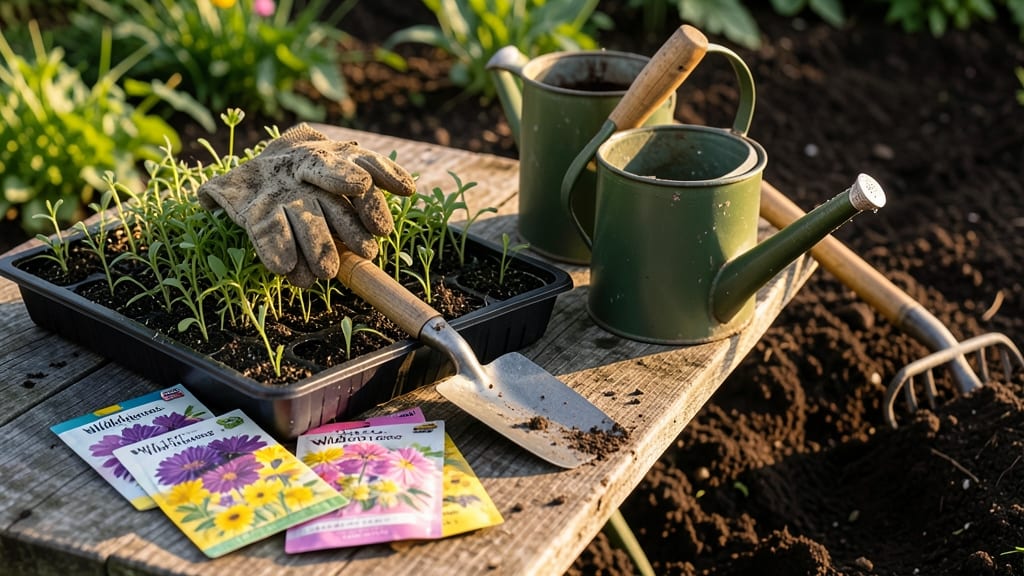
Planting wildflowers at the right time ensures months of vibrant blooms 🌼 and thriving pollinators—but many gardeners miss the best windows.
Picture this: you’ve prepped your soil, chosen the perfect seed mix, and then realize too late that your wildflowers won’t bloom until next summer. That’s why knowing when to plant wildflowers—whether in early spring or late fall—is the key to a garden that bursts with color year after year.
In USDA Zone 6a, like many temperate regions, the ideal planting window is March or October, when soil is workable but not scorching.
But timing shifts in warmer zones, where fall planting can avoid summer heat stress, or cooler climates, where early spring gives seeds time to establish before frost.
Below, I’ll break down the exact months for your zone, whether to direct-sow or transplant, and how to extend blooms from spring to frost—so you never miss a season again.
Best wildflower planting months by USDA zone for spring and fall blooms
Timing your wildflower planting is the secret to a garden bursting with color from spring through fall. Different USDA zones and wildflower types demand unique strategies—annuals like cosmos thrive with early spring starts, while perennials such as black-eyed Susans benefit from late fall prep.
Let’s break down the optimal planting windows for your zone to maximize blooms and pollinator support.
Spring planting typically begins as soon as the soil is workable—usually 4-6 weeks before your last frost date. In colder zones (3-5), aim for March or early April to avoid late frosts.
Warmer zones (6-9) can start as early as February, but avoid planting heat-sensitive species like poppies too late in the season. Fall planting, on the other hand, should occur 6-8 weeks before your first frost to allow roots to establish before winter.
Native wildflowers often have the best adaptability and require minimal care once established. For example, purple coneflower and goldenrod can handle cooler soils, making them ideal for early spring or fall planting in zones 4-8.
Meanwhile, cosmos and sunflowers prefer warmer soil and are best sown after the last frost in zones 7-10.
Here’s a quick guide to help you align your planting with your USDA zone and climate goals:
| USDA Zone | Spring Planting Window | Fall Planting Window | Best Species for Zone | Key Tip |
|---|---|---|---|---|
| Zones 3-4 | Late April–May | September–early October | Black-eyed Susan, Coneflower, Yarrow | Use frost blankets for early spring starts. |
| Zones 5-6 | March–April | October–November | Coreopsis, Phlox, Wild Bergamot | Direct sow seeds for best germination. |
| Zones 7-8 | February–March | September–October | Cosmos, Sunflower, Blanket Flower | Mulch after planting to retain moisture. |
| Zones 9-10 | January–February | August–September | Lantana, Zinnia, Mexican Sunflower | Avoid planting during peak summer heat. |
For annual wildflowers, focus on spring planting to ensure they bloom all season long. Species like cosmos and zinnia germinate quickly in warm soil, making them perfect for zones 7-10.
In contrast, perennial wildflowers like bee balm and butterfly weed benefit from fall planting, as cooler temperatures encourage root growth before winter dormancy.
If you’re in a transition zone (e.g., Zone 6b or 7a), consider staggered planting—sow half your seeds in early spring and the other half in late summer. This ensures continuous blooms and supports pollinators throughout the growing season.
For example, plant shasta daisies in spring and goldenrod in fall to create a seamless transition from early to late blooms.
Preparation is key to successful wildflower planting. Always loosen the soil and remove weeds before scattering seeds. A light raking ensures good seed-to-soil contact, which is critical for germination. For dry climates, mix seeds with a light mulch or sand to prevent them from washing away during irrigation.
Remember, native wildflowers are your best bet for low-maintenance gardens. They’ve evolved to thrive in your local climate, requiring less water and fertilizer once established. For instance, wild bergamot in Zone 5 or desert marigold in Zone 9 will reward you with years of blooms with minimal effort.
Don’t let frost dates stress you out—experiment with micro-climates in your garden. A sunny, sheltered spot may warm up faster in spring or stay cooler in summer, allowing you to extend planting windows.
For example, a south-facing slope in Zone 4 might support early spring planting of hardy species like columbine or lupine.
With the right timing, your wildflower garden can bloom from early spring to late fall, attracting bees, butterflies, and hummingbirds all season long. Start with the best months for your zone, and soon you’ll have a pollinator paradise that’s the envy of the neighborhood! 🌼🐝
How to extend wildflower blooms: seasonal planting hacks for continuous color
Want a garden that blooms from spring until frost? The secret lies in staggered planting and smart species pairings. By planting wildflowers in successive waves, you can create a nonstop parade of color—think poppies in May fading into coneflowers by September.
This technique works especially well in USDA Zones 5-8, where seasonal shifts are dramatic.
Start with early spring sowings of fast-blooming annuals like cosmos and sunflowers, then follow up with perennial wildflowers like black-eyed Susans and purple coneflowers in late summer. The key is overlapping bloom times so one variety takes over as another fades.
Here’s how to plan your seasonal succession plantings for maximum impact:
- Early Spring (March-April): Plant fast-growing annuals like lupines and snapdragons for May-June blooms. These thrive in cool soil and won’t bolt in summer heat.
- Late Spring (May): Sow mid-season bloomers such as coreopsis and blanket flower. These bridge the gap between early and late bloomers, ensuring July-August color.
- Summer (July-August): Direct-sow late-season perennials like goldenrod and aster. These handle summer heat and bloom into fall and early winter.
- Fall (September-October): Plant winter-hardy species such as winter aconite and heather for early spring blooms. These establish roots before winter and surprise you with February-March flowers.
Companion planting is another game-changer. Pair tall wildflowers like sunflowers with low-growing varieties such as wild bergamot to create layered interest. This also prevents overcrowding and improves pollinator access to all blooms.
For longer blooming seasons, mix annuals (which bloom all season) with perennials (which return yearly). For example, plant annual bachelor’s buttons alongside perennial bee balm. The annuals provide instant color, while the perennials ensure multi-year blooms.
Don’t forget to deadhead spent blooms from perennials to encourage reblooming. This simple task can extend the season by 2-4 weeks for varieties like coneflowers and black-eyed Susans. Combine these hacks, and you’ll enjoy continuous color from spring to frost—without replanting!