
Blooming
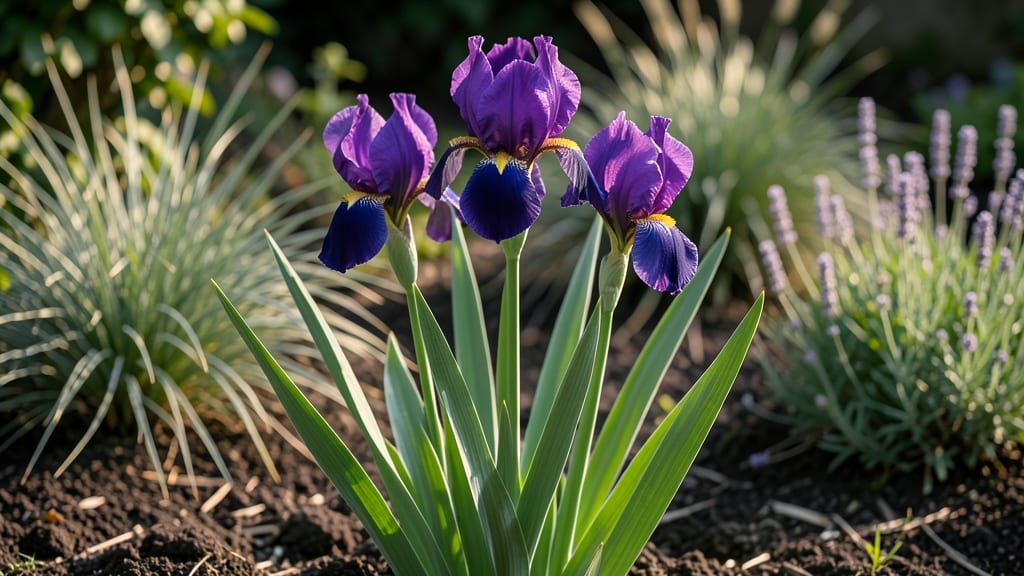
The Dutch iris flowering time delivers bold spring color weeks before tulips or daffodils, but timing it right means the difference between a stunning display and a missed opportunity.
If you crave vibrant spring color that arrives weeks before tulips or daffodils, Dutch iris is your secret weapon—but timing is everything. These 🌸 blooms thrive on precision, and understanding their flowering windows by USDA zone can mean the difference between a showstopping display and a missed opportunity.
In zone 6a, where most gardeners live, Dutch iris typically bursts into bloom between late April and early May, but regional climate shifts that window significantly. A cooler spring might delay blooms until June, while a mild winter can push them as early as March.
Below, I break down the exact months by zone, share pro tips to extend your blooming season, and troubleshoot why your Dutch iris might be playing hard to bloom this year.
Dutch iris flowering months by USDA zone: exact timelines
Dutch iris blooms bring striking color to gardens weeks before traditional spring flowers like tulips. Their flowering windows vary dramatically by USDA zone, with early bloomers in Zone 3 and late varieties thriving in Zone 10.
Understanding these timelines helps you plan for peak color and avoid missed opportunities for vibrant displays.
Most Dutch iris varieties bloom in late spring to early summer, but exact timing shifts based on temperature fluctuations and cultivar selection. For example, 'Professor Blok' often flowers 2-3 weeks earlier than 'Blue Flag' in the same zone.
Let's break down the precise month-by-month blooming windows by zone to help you schedule plantings for optimal results.
Pro Tip: Early bloomers like 'White King' thrive in cooler zones (3-6), while late varieties such as 'Queen of Night' perform best in warmer zones (8-10). Adjust planting times by 2-4 weeks if your local climate runs warmer or cooler than zone averages.
In USDA Zones 3-4, Dutch iris typically bloom from mid-April to early June, with peak color arriving in late May. Cooler temperatures in these zones delay early bloomers, so plant early varieties like 'White King' in September for spring color.
The rhizomes need time to establish roots before winter.
Gardeners in Zones 5-6 enjoy blooms from late April through mid-June, with the main display peaking in early May. These zones benefit from mid-season varieties like 'Blue Flag' for extended color.
Plant rhizomes in fall (September-October) or early spring for best results, ensuring they're 4-6 inches deep with the top third exposed.
Warmer climates in Zones 7-8 push blooming windows to late March through early June, with peak color in late April. Here, late varieties like 'Queen of Night' shine, while early bloomers may fade by June. Plant in fall or winter to avoid summer heat stress during establishment.
For Zones 9-10, Dutch iris bloom as early as mid-February, with most varieties finishing by late April. This early timing makes them perfect for winter gardens in mild climates. Plant rhizomes in late summer (August-September) to take advantage of cooler fall temperatures for root growth.
Temperature plays a crucial role in blooming timing. A cold snap in early spring can delay flowering by 1-2 weeks, while unseasonably warm fall weather may trigger early blooms. Monitor your local 10-day forecasts and adjust planting times accordingly for consistent results.
To maximize blooms, provide full sun (6+ hours daily) and well-draining soil. Dutch iris thrive in sandy loam with a pH of 6.0-7.0. Amend heavy clay with compost or perlite to prevent rot. Fertilize lightly in early spring with a balanced 10-10-10 formula to encourage robust growth.
Deadhead spent blooms to redirect energy into stronger stems for next year's display. Avoid overwatering, as Dutch iris are drought-tolerant once established. Water deeply once weekly during dry spells, but reduce frequency in summer dormancy to prevent rot.
With the right timing and care, Dutch iris deliver bold
How to extend Dutch iris blooms: pro tips for longer seasons
Want your Dutch iris to bloom 2-3 weeks earlier or later? It's all about strategic planning and understanding their needs. These 🌸 beauties respond beautifully to adjustments in light exposure, soil conditions, and variety selection.
By implementing these pro tips, you can transform a single burst of color into a staggered spring display that lasts weeks longer.
The key to extending blooms lies in manipulating their natural cycle. Dutch iris typically flower in response to temperature shifts and daylight hours, so we'll focus on creating ideal conditions that trigger earlier or delayed flowering.
Start by choosing the right planting location and rhizome variety—these two factors alone can shift your bloom window by 3+ weeks.
- 1. Plant early varieties like 'Professor Blok' (early) or 'Queen of Night' (late) to create a staggered bloom of 3-4 weeks.
- 2. Choose south-facing beds for maximum sunlight (6+ hours/day) to trigger earlier blooming in spring.
- 3. Amend soil with compost to improve drainage—wet roots delay blooming by 1-2 weeks in cool climates.
- 4. Mulch lightly in fall (1-2 inches) to protect rhizomes and encourage earlier spring growth in zones 3-7.
- 5. Deadhead spent blooms to redirect energy into secondary blooms (common in late varieties like 'Blue Flag').
For earlier blooms, focus on warmth-loving varieties and south-facing locations. In zone 6a, planting 'White Queen' in a sunny border can push blooms from late April to mid-April. The secret? These irises need consistent warmth to break dormancy, so avoid shady spots where soil stays cool.
To delay blooming, try cooler microclimates or late-season planting. In zones 8-10, 'Queen of Night' often blooms in June instead of May when planted in partial shade. The trick is to slow root growth—water deeply but infrequently in early spring to keep rhizomes dormant longer.
Don't forget about fertilizer timing—a light application of 10-10-10 in early spring (when shoots emerge) can jumpstart blooms by 1-2 weeks. But avoid heavy feeding, which often leads to leafy growth at the expense of flowers.
For longer seasons, combine these tips with successive planting of early, mid, and late varieties.
With these strategies, your Dutch iris can transform from a single-season showstopper to a multi-week garden highlight. The best part? These adjustments work in any USDA zone—just adapt the timing to your local climate. Happy planting! 🌿