
Flowers
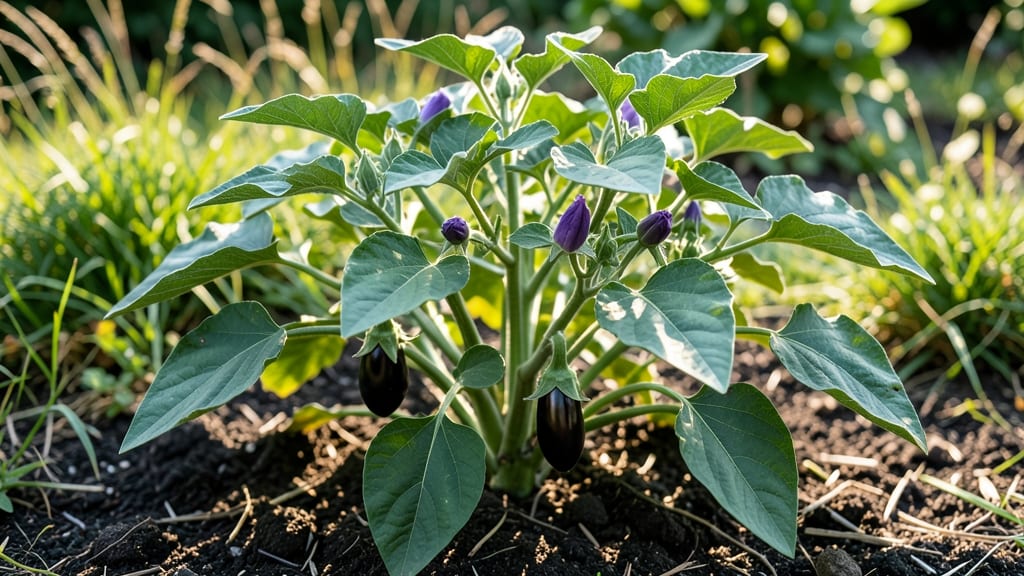
Understanding why your eggplant flower buds drop before blooming is the key to unlocking a bountiful harvest 🍆 — and it starts with recognizing the hidden triggers that turn potential fruit into wasted energy.
Picture this: You’ve nurtured your eggplant plants all season, only to watch their flower buds shrivel and fall off like rain. It’s frustrating, especially when you’re so close to that first ripe eggplant.
The truth? 50% of bud drop comes from three overlooked factors—pollination failures, environmental stress, and nutrient imbalances—and fixing them can mean the difference between a handful of fruit and a full basket.
In this guide, we’ll break down the most common reasons behind bud drop, from heat stress to poor soil conditions, and show you exactly how to save your plants.
Whether you’re dealing with wilting buds in USDA Zone 6a or struggling to keep flowers from falling in April-May plantings, these actionable tips will help you turn the tide.
Ready to rescue your eggplant plants? You’ll learn how to hand-pollinate for better fruit set, adjust your pruning strategy, and even choose varieties that naturally resist bud drop—so you can finally enjoy the harvest you’ve been waiting for.
Why eggplant flower buds drop: 5 hidden causes & how to fix them
Eggplant flower buds dropping before they bloom is one of the most frustrating issues for gardeners. Even with perfect care, your plants can still struggle to set fruit. The key to solving this problem lies in understanding the hidden triggers behind bud drop.
From pollination failures to nutrient imbalances, each cause requires a different fix. Let’s explore the top 5 reasons your eggplant buds are falling off—and how to stop it.
First, it’s important to recognize that eggplants are sensitive to environmental changes. When buds drop, your plant is essentially telling you it’s under stress. The challenge?
Different stressors look nearly identical—until you know what to look for. Temperature swings, poor soil conditions, or even overwatering can all cause buds to abort. By identifying the specific issue early, you can save up to 70% of your potential harvest.
Here’s the good news: Most of these problems are fixable with simple adjustments. Whether you’re dealing with pollination issues in your greenhouse or nutrient deficiencies in your garden bed, we’ll cover the exact steps to revive your plants.
Let’s start with the most common culprit—environmental stress—and work through each cause systematically.
🌱 5 Hidden Causes of Eggplant Bud Drop & How to Fix Them
-
1. Pollination Failure
Lack of bees or wind means buds drop before fruit sets. Fix: Hand-pollinate with a soft brush or gently shake plants. -
2. Temperature Stress
Extreme heat (90°F+) or cold (50°F-) causes buds to abort. Fix: Use shade cloth or mulch to stabilize soil temps. -
3. Nutrient Deficiency
Low phosphorus or calcium weakens buds. Fix: Apply bone meal or crushed eggshells to soil. -
4. Overwatering or Poor Drainage
Soggy roots suffocate buds. Fix: Water deeply but infrequently; amend soil with perlite. -
5. Pest Damage or Disease
Aphids or fungal infections stress plants. Fix: Spray with neem oil or remove affected leaves immediately.
Let’s tackle the first cause head-on: pollination failure. Eggplants rely on bees or wind to transfer pollen, but in enclosed spaces like greenhouses or during cool, rainy weather, this process can stall. If you notice buds forming but never opening into flowers, hand-pollination is your best tool.
Use a small paintbrush to gently transfer pollen from one flower to another in the morning when buds are fresh. This mimics nature’s process and can double your fruit set.
Next up is temperature stress, which is often overlooked. Eggplants thrive in 70°F-85°F ranges, but even slight deviations can trigger bud drop. If your garden hits 90°F+ regularly, buds will abort to conserve energy. To combat this, install shade cloth (30-50%) during peak afternoon heat.
For cooler climates, use row covers at night to protect buds from chilly temperatures below 50°F. Mulching with straw also helps regulate soil temperature.
Nutrient deficiencies are another sneaky culprit. Eggplants need a balanced diet, but phosphorus and calcium are especially critical for bud development. If your soil lacks these, buds will drop prematurely. Test your soil and amend it with bone meal (for phosphorus) or crushed eggshells (for calcium).
A quick fix is to apply a balanced fertilizer (10-10-10) at the base of the plant, focusing on the root zone where nutrients are absorbed most efficiently.
Overwatering might seem counterintuitive, but it’s a leading cause of bud drop. Eggplants hate soggy roots, which can lead to root rot and nutrient uptake issues. To prevent this, water deeply once every 2-3 days in the morning, allowing the top inch of soil to dry out between waterings.
If your garden soil drains poorly, mix in perlite or sand to improve aeration. Always check soil moisture by sticking your finger an inch deep—if it’s damp, wait before watering again.
Finally, pests and diseases can silently sabotage your eggplant’s flowering stage. Aphids, spider mites, and fungal infections like powdery mildew all stress plants, causing buds to drop. Start with preventive measures: neem oil spray (weekly) and copper fungicide (every 2 weeks) can deter pests and diseases.
If you spot damage, isolate affected plants and prune infected leaves immediately. Healthy foliage means stronger buds and better fruit set.
To diagnose your plant’s specific issue, grab a notebook and track these symptoms for a week: - Bud color (green vs. yellowing) - Leaf appearance (wilted, spotted, or discolored) - Soil moisture (dry, damp, or waterlogged) - Temperature fluctuations (day/night highs and lows) With this checklist, you’ll pinpoint the exact cause and apply the right fix—no more guesswork! 🌿
How to save eggplant flower buds: proven techniques for heavy harvests
If you’ve ever watched your eggplant flower buds wilt and drop before they even bloom, you know how devastating it can be. The good news? With the right techniques, you can save up to 80% of your buds and transform your harvest from disappointing to abundant.
The key lies in understanding the three critical factors that influence bud retention: pollination, plant stress, and environmental conditions.
Eggplants are self-pollinating, but they still rely on gentle vibrations or wind to trigger fruit set. When buds drop, it’s often because they’re not receiving the right signals—or your plants are struggling under heat stress, poor soil, or overcrowding.
The solutions are simpler than you think, starting with a few targeted interventions that work for both outdoor gardens and greenhouse setups.
Step-by-Step Guide to Saving Eggplant Flower Buds
- Hand-Pollinate Daily: Use a soft paintbrush to gently vibrate buds twice daily (morning and evening) to mimic wind. Focus on healthy buds that are firm and white.
- Prune Strategically: Remove lower leaves to improve airflow and reduce humidity-related stress. Cut back overly vigorous branches to redirect energy to bud development.
- Adjust Soil Conditions: Test soil pH (ideal: 6.0-6.8) and amend with compost or aged manure to boost nutrients. Add a slow-release fertilizer (5-10-10) at planting.
- Provide Shade Cloth: If temps exceed 90°F, install 30-50% shade cloth to protect buds from heat stress. Water deeply in the early morning to cool soil.
- Spray Organic Solutions: Mix 1 tsp baking soda + 1 tbsp neem oil in 1 gallon of water and spray buds weekly to deter pests and strengthen buds.
- Thin Fruit Load: If buds set but drop later, remove small or misshapen fruit to reduce competition for nutrients. Keep 3-5 large buds per plant.
One of the most effective (and often overlooked) techniques is hand-pollination. Since eggplants are incomplete flowers, they need physical stimulation to produce fruit. Simply use a soft paintbrush or cotton swab to gently touch the buds twice daily.
This mimics the natural vibrations from wind or bees, signaling the plant to develop fruit instead of dropping buds.
For greenhouse growers, maintaining consistent humidity levels (40-60%) is crucial. Use a small fan to circulate air and prevent bud rot. Outdoor gardeners should focus on mulching to keep soil temperatures stable and reduce fluctuations that stress plants.
A 2-3 inch layer of straw or wood chips works wonders.
Don’t overlook the power of organic sprays to protect your buds. A mix of baking soda and neem oil not only deters pests like aphids (which sap buds dry) but also strengthens cell walls.
Apply this solution every 7-10 days during peak budding season for best results. Pair it with regular pruning to ensure your plants aren’t overburdened with too many buds at once.
Finally, monitor your plants daily for signs of stress—wilting, yellowing leaves, or drooping buds are red flags. Adjust your approach based on what you observe: too much water? Let the soil dry slightly.
Not enough nutrients? Feed with a balanced fertilizer. With these techniques, you’ll see a noticeable improvement in bud retention within 2-3 weeks.