
Shrubs
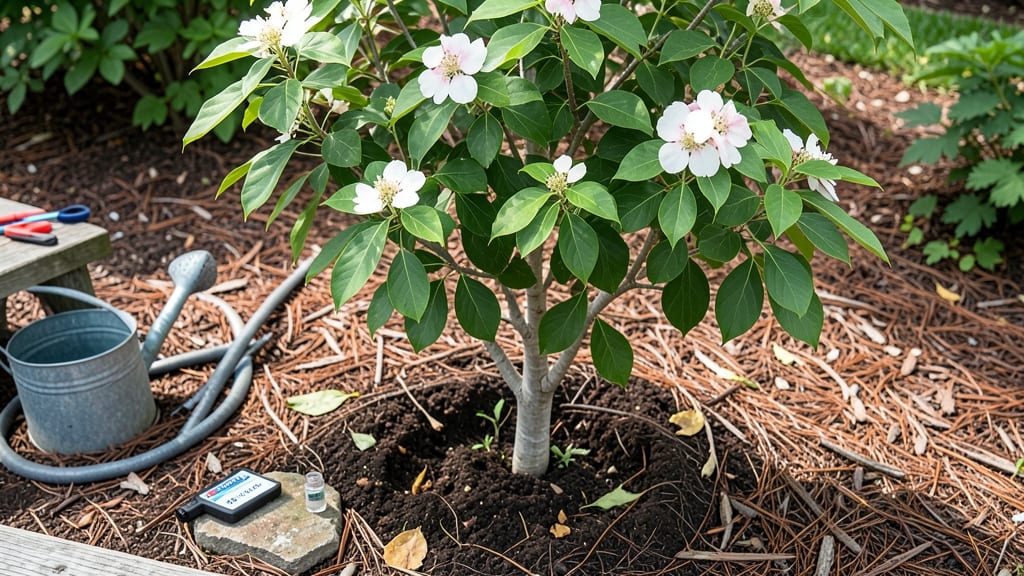
The flowering dogwood soil requirements are critical—this tree demands well-draining, acidic soil with a pH of 4.5–6.0 to thrive and bloom spectacularly 🌸. Get this right, and you’re setting the stage for vibrant spring displays.
Struggling to get your flowering dogwood to bloom? The secret might be hiding in your soil—this tree is picky about its growing conditions, and getting the pH, drainage, and organic mix just right can mean the difference between stunning spring flowers and disappointing bare branches.
Most gardeners overlook the soil’s role, assuming any dirt will do. But dogwoods crave a loamy, slightly acidic blend with plenty of organic matter—think 30–50% compost mixed into native soil. Too much clay or sand? That’s a recipe for stress, not blooms.
Below, I’ll break down the exact soil mix your dogwood craves, how to test and adjust your yard’s pH, and the 3 biggest mistakes that kill blooms before they even start.
Optimal flowering dogwood soil pH and composition breakdown
Flowering dogwoods (Cornus florida) are finicky about their soil, and getting the mix right is the key to those show-stopping spring blooms. These trees thrive in acidic to slightly acidic soil with a pH range of 4.5–6.0, mimicking their natural woodland habitats.
If your soil is too alkaline or compacted, your dogwood might struggle to absorb nutrients, leading to poor growth or even failed flowering. Understanding the ideal composition—30–50% organic matter and a loamy, well-draining texture—will set your tree up for success.
The soil pH is especially critical because it directly impacts nutrient availability. For example, at a pH below 4.5, essential nutrients like phosphorus and potassium become locked away, while a pH above 6.0 can cause iron and manganese deficiencies, manifesting as yellowing leaves (chlorosis).
The organic matter content is equally vital—it improves soil structure, retains moisture, and provides slow-release nutrients. Without enough organic material, your dogwood’s roots may suffocate or dry out, stunting its growth.
Now, let’s break down the exact requirements in a clear, actionable format. Below is a summary-table outlining the ideal soil conditions for flowering dogwoods, including pH, texture, organic matter, and drainage specifics. Use this as your guide to diagnose and adjust your soil for optimal performance.
If your soil is heavily clay-based, it may drain too slowly, leading to root rot or fungal issues. Clay soils also tend to be alkaline, which can further stress your dogwood.
To improve drainage and acidity, mix in coarse sand (like perlite or builder’s sand) and peat moss to create a looser, more acidic profile.
For example, a 50/50 blend of native soil and peat moss can lower the pH by 0.5–1.0 points over time, bringing it closer to the ideal range.
On the other hand, sandy soils drain too quickly, causing nutrient loss and moisture stress. These soils often lack the organic matter needed to retain water and nutrients. To fix this, incorporate well-aged compost or leaf mold into the top 12 inches of soil.
Aim for a 30% organic matter content—this improves water retention while maintaining aeration. Think of it like adding a sponge to sandy soil: it holds moisture without suffocating roots.
One common mistake gardeners make is assuming that amending soil once is enough. Dogwoods are heavy feeders, especially during their spring flowering phase, so you’ll need to replenish organic matter annually.
A simple way to do this is by applying a 2–3 inch layer of mulch (like shredded bark or pine needles) around the base of the tree. This mulch breaks down slowly, adding organic material to the soil while also suppressing weeds and retaining moisture.
Just be sure to keep the mulch 2–3 inches away from the trunk to prevent rot.
Regional adaptations are also key. In northern climates with cooler, wetter soils, dogwoods may tolerate slightly higher organic matter levels (up to 50%) to insulate roots during winter.
In southern climates, where soils can be naturally sandy or alkaline, focus on increasing organic content and lowering pH with sulfur or pine fines.
For instance, in USDA Zone 7 or warmer, I’ve seen dogwoods thrive in amended soil with a pH of 5.0–5.5 and a high compost ratio.
To test your soil’s readiness, grab a handful and squeeze it. If it holds its shape when wet (like a clay brick), it’s too dense. If it falls apart instantly (like sand), it lacks organic matter. The ideal
How to amend your soil for dogwood success: step-by-step guide
Your flowering dogwood won’t thrive if its soil is off-kilter. The key to vibrant blooms lies in creating the perfect acidic, well-draining mix with just the right balance of organic matter.
Whether you’re dealing with clay-heavy soil or sandy loam, these steps will transform your garden bed into an ideal home for your dogwood—without breaking the bank or your back.
Start by testing your soil’s pH level (aim for 4.5–6.0), then adjust it using simple amendments like elemental sulfur or pelletized lime. For drainage, mix in organic mulch or coarse sand, and boost fertility with composted leaves or peat moss.
Let’s break it down into actionable steps so you can see results in just one growing season.
Test Your Soil’s pH
Use a soil pH test kit (digital or liquid) to check your current levels. Dogwoods prefer acidic soil (4.5–6.0). If your soil tests higher than 6.0, it’s too alkaline, and if it’s below 4.5, it’s too acidic.
Adjust pH with Lime or Sulfur
For alkaline soil (pH >6.0), add elemental sulfur (½ lb per 100 sq ft) in early spring. For acidic soil (pH <4.5), apply pelletized lime (5 lbs per 100 sq ft) in fall. Re-test after 2–3 months.
Improve Drainage
If your soil is clay-based, mix in coarse sand (1 part sand to 3 parts soil) or perlite to loosen compaction. For sandy soil, add composted organic matter (like leaf mold) to retain moisture.
Enrich with Organic Matter
Work in 3–4 inches of compost or peat moss into the top 12 inches of soil. This boosts fertility and helps retain moisture. Avoid fresh manure—it can burn roots.
Mulch for Moisture Retention
Apply a 3-inch layer of mulch (pine straw, wood chips, or shredded bark) around the tree’s base. Keep mulch 6 inches away from the trunk to prevent rot.
Seasonal Maintenance
In fall, top-dress with compost. In spring, re-test pH and reapply amendments if needed. Avoid heavy fertilizers—they can disrupt the soil’s delicate balance.
Timing matters! Amend your soil in early spring (before new growth) or fall (6–8 weeks before frost). This gives amendments time to integrate without stressing the tree. For newly planted dogwoods, focus on drainage first—poor drainage is the #1 killer of young trees.
With these adjustments, your dogwood will have the perfect growing conditions to produce show-stopping blooms year after year. Just remember: patience is key. Soil amendments take time to fully integrate, so monitor progress and tweak as needed.
🌿