
Blooming
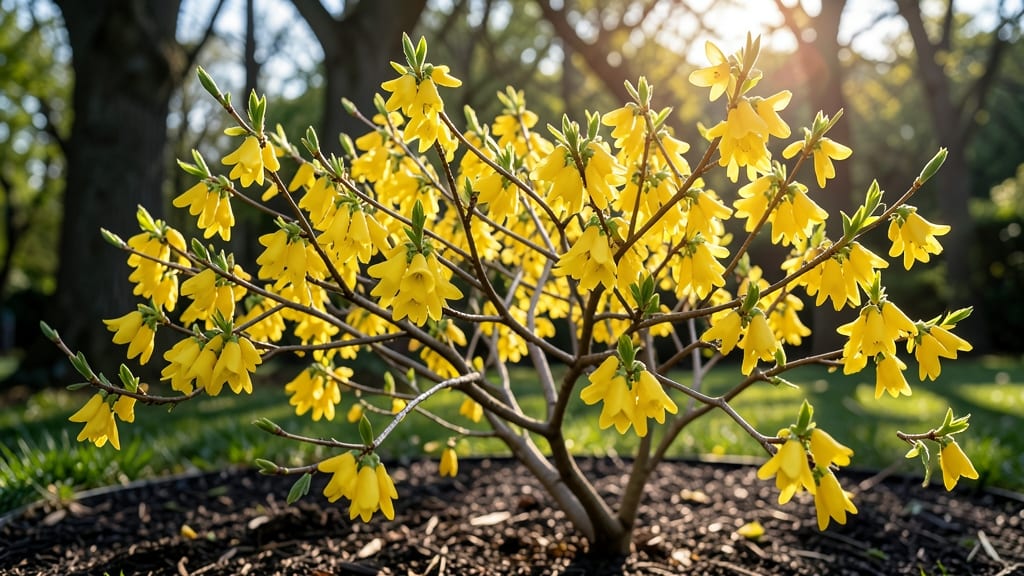
Forsythia flowers in early spring 🌸, turning your yard into a cheerful burst of yellow—but the timing can vary wildly depending on where you live and how you care for it.
If you’ve ever wondered why your forsythia blooms late—or not at all—you’re not alone. The secret to earlier, more abundant flowers lies in strategic pruning, timing, and plant care, all of which can transform a sparse spring display into a vibrant burst of yellow.
In USDA Zone 6a, forsythia typically blooms between late February and early April, but cooler springs or improper pruning can delay those bright blooms. With the right approach, you can encourage your shrub to flower up to two weeks earlier—and keep it blooming longer.
Below, I’ll walk you through the key steps to time your pruning perfectly, adjust sunlight for optimal growth, and avoid common mistakes that rob your forsythia of its best performance.
Understanding forsythia flowering time: when and why it blooms
Forsythia’s bright yellow blooms are the first sign of spring for many gardeners, but their flowering time varies dramatically depending on your climate zone and care practices.
Typically, forsythias bloom between late winter and early spring, often from March to April in most of the U.S. However, in warmer zones like USDA Zone 8+, you might see blooms as early as February, while colder regions (like Zone 5) may delay blooms until May.
The secret to understanding forsythia’s flowering cycle lies in its dormancy period. These shrubs rely on cold winter temperatures to trigger bud formation, meaning they need a period of chilling hours (typically 500-1,000 hours below 45°F) before blooming.
Without sufficient chill, forsythias may produce fewer flowers or bloom much later in the season.
Regional variations play a huge role in bloom timing. For example, in Southern California (Zone 9-10), forsythias often bloom in January or February, while in New England (Zone 4-5), blooms may not appear until late April or early May. Even within the same zone, microclimates—like urban heat islands or protected garden spots—can shift bloom times by 1-3 weeks.
Forsythias are early-season bloomers because they rely on stored energy from the previous growing season. Their flower buds form on old wood (last year’s growth), which means pruning at the wrong time can remove next year’s blooms.
The plant’s growth cycle follows this pattern: dormancy in winter → bud formation → spring blooming → foliage growth → preparation for winter.
One of the most common misconceptions about forsythias is that they bloom on new wood. In reality, they bloom on second-year wood, which is why late-summer pruning can reduce next year’s flowers.
To encourage earlier blooms, focus on hard pruning in late winter (just before buds swell) to stimulate new growth that will produce flowers sooner.
If your forsythia isn’t blooming at all, check for these common issues: insufficient chilling hours, over-fertilizing with nitrogen (which promotes leafy growth over flowers), or poor pruning habits.
For example, cutting back forsythias in early spring (before buds open) can severely reduce blooms for the season. Instead, wait until right after flowering to prune.
For gardeners in warmer climates, forsythias may bloom twice a year—once in winter and again in late spring. This happens because the milder winters don’t provide enough dormancy, causing the plant to bloom sporadically.
To encourage a single, robust bloom, ensure the plant gets adequate winter chill (even in warm zones, you might need to simulate dormancy with shade or mulch).
Observing your forsythia’s growth stages can help predict bloom time. Look for these key signs: bud swell in late winter (indicating imminent blooming), leaf emergence after flowering, and new shoots forming in early summer.
By tracking these stages, you can adjust pruning and care to align with the plant’s natural cycle and maximize next year’s blooms.
Pro tip: Keep a gardening journal to track your forsythia’s bloom dates over the years. Note the first and last day of flowering, as well as any environmental factors (like unusually warm winters or late frosts) that may have affected timing.
Over time, you’ll spot patterns and refine your care routine for earlier, more abundant blooms.
Remember, forsythias are low-maintenance shrubs, but their flowering time is highly responsive to your care choices. By understanding their natural cycle and adapting to your climate, you can turn your forsythia into
Pruning secrets to trigger earlier forsythia blooms
Timing is everything when it comes to pruning forsythia for earlier blooms. These shrubs flower on old wood, meaning last year’s growth produces this year’s flowers. If you prune at the wrong time, you risk cutting off next season’s blooms entirely.
The key is to prune right after flowering—typically in late April or early May—to let the plant recover and set buds for the following spring.
Most gardeners make one of two mistakes: pruning too early (before blooms fade) or too late (after new growth hardens). Both approaches delay flowering or reduce bloom intensity.
For best results, I recommend hard pruning (cutting back by one-third) immediately after flowers drop. This encourages dense, bushier growth and more flower buds for next year.
Prune only after all yellow flowers have dropped (usually late April in Zone 6a).
Disinfect pruning shears with rubbing alcohol to prevent disease. Cut at a 45-degree angle just above a bud.
Cut back one-third of the oldest stems to the ground. Remove weak or crossing branches first.
Remove 2-3 oldest stems from the center to improve airflow and sunlight penetration.
Apply balanced fertilizer (10-10-10) to encourage new growth and next year’s flower buds.
For light trimming (maintenance only), I recommend pruning in early summer to shape the shrub without sacrificing next year’s blooms. Avoid heavy cuts during this time, as they can stress the plant and delay flowering.
Always prioritize flowering branches—never remove more than 20% of the plant in a single session.
One common mistake I see is pruning forsythia in fall or winter. This removes next year’s flower buds before they form, leaving you with bare branches in spring. Another pitfall is using dull or dirty tools, which create jagged cuts that invite disease.
Always clean your shears with rubbing alcohol between cuts to keep your forsythia healthy.
With the right pruning technique, you can push your forsythia to bloom 1-2 weeks earlier than average. Pair this with full sun exposure and well-draining soil, and you’ll have a shrub bursting with cheerful yellow flowers year after year.