
Blooming
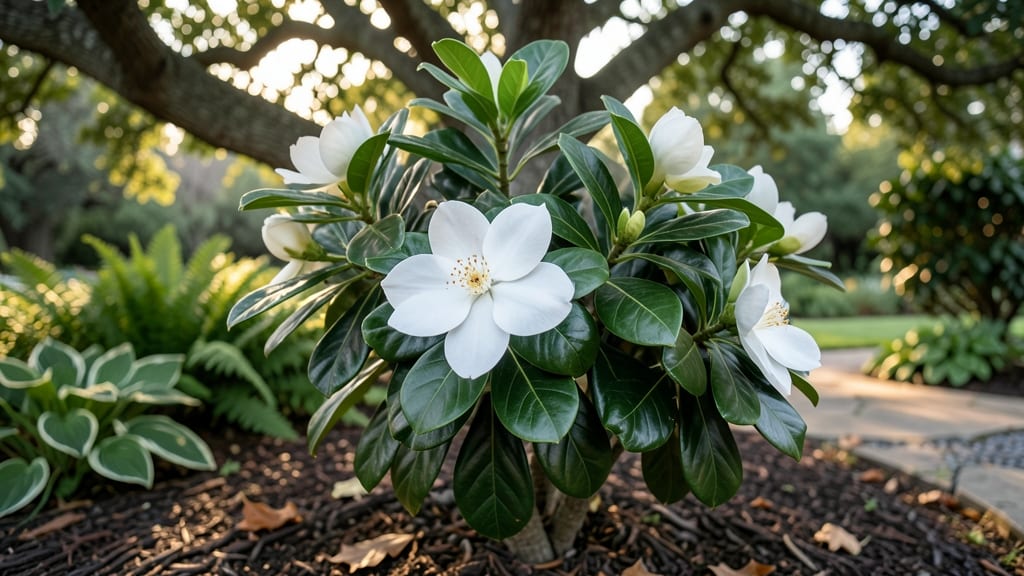
Your gardenia’s flowering season depends on timing, light, and a few clever tricks most gardeners miss—like when to prune or how much acidity the soil needs to trigger those fragrant blooms.
If you’ve ever dreamed of your gardenia bushes bursting with fragrant white blooms—only to be disappointed by sparse or delayed flowers—you’re not alone. The secret to consistent success lies in understanding its natural bloom cycles and mastering the right triggers to coax more flowers year after year.
In warm climates like USDA Zone 9b, gardenias typically bloom from late spring through summer, but cooler zones can push that window later.
Below, I’ll break down the exact timing for your region, the 5 science-backed tricks to extend blooms, and how to troubleshoot when your gardenia refuses to cooperate.
By the end, you’ll know exactly when to expect those iconic 🌸 blooms, how to maximize their abundance, and what to do if your plant seems stuck in a no-flower rut.
Gardenia flowering season timeline: month-by-month blooming patterns by climate zone
Understanding your gardenia flowering season is the first step to unlocking those highly fragrant white blooms you adore. In USDA zones 8-11, gardenias follow distinct seasonal patterns influenced by temperature, daylight hours, and variety.
The key difference lies between tropical climates (zones 10-11), where they bloom year-round with peaks, and temperate zones (8-9), where cold snaps trigger dormancy and delayed spring blooms.
Most gardenias begin their flowering cycle in late winter to early spring, with peak bloom periods stretching from May through September in warm regions. However, temperature fluctuations can drastically alter this timeline—especially in USDA zone 8, where late frosts may delay blooms until June or July.
The right timing for pruning and fertilizing depends entirely on your local climate patterns.
| Climate Zone | Typical Bloom Window | Early Varieties | Late Varieties | Pruning Time | Fertilizer Peak |
|---|---|---|---|---|---|
| Zone 10-11 (Tropical) | Year-round with peaks in spring & fall | 'Radicans' (Feb-March) | 'Kleim's Hardy' (Sept-Oct) | After summer blooms (Aug-Sept) | Feb, May, Aug |
| Zone 9 (Subtropical) | April through October | 'Veitchii' (March-April) | 'Fortuniana' (Sept-Nov) | Late winter (Jan-Feb) | March, June, Sept |
| Zone 8 (Temperate) | June through September | 'Mystery' (May-June) | 'Augusta' (Aug-Sept) | Early spring (March) | April, July |
Note: Late frosts in Zone 8 can delay blooms by 4-6 weeks
In USDA zone 11, where temperatures rarely drop below 40°F, gardenias like 'Radicans' may produce blooms in every season, with minimal dormancy.
The secret to maximizing flowers here is monthly light fertilization during peak growth months (February, May, August) and pruning immediately after summer blooms to encourage new wood for next year's flowers.
For USDA zone 9 gardeners, the transition between seasons creates the perfect bloom window. After winter dormancy (typically December-February), gardenias respond dramatically to rising temperatures above 60°F by producing buds within 4-6 weeks.
This is why March pruning is critical—removing old wood stimulates fresh growth that will flower by May or June.
Zone 8 gardeners face the biggest challenges due to late spring frosts, which can destroy buds just as they form.
To protect your gardenias, prune in early spring (March) while still dormant, and cover plants with frost cloth if 32°F temperatures are forecasted during bloom season. 'Kleim's Hardy' is the most frost-tolerant variety, often blooming as late as October in protected microclimates.
Temperature plays a direct role in gardenia flowering. Buds form best when daytime temperatures stay between 65°F and 80°F, while nights should remain above 55°F.
If summer heat exceeds 90°F, blooms may drop prematurely. Mulching with pine bark helps maintain soil temperature consistency, while afternoon shade cloth can prevent heat stress during peak summer months.
Fertilizing at the wrong time can delay or prevent blooms entirely. In USDA zones 10-11, apply acid-loving plant fertilizer every 6 weeks starting in February.
For zones 8-9, hold off until April after the last frost, then feed again in June and August to support bloom development. Always use a 10-10-10 or 8-3-9 formula to encourage both foliage and flowers.
One common misconception is that gardenias only bloom once per year. In reality, tropical varieties can produce two or even three bloom cycles annually with proper care. The key is strategic pruning after each flush of flowers and maintaining consistent moisture without waterlogging.
For zone 8 gardeners, focus on one strong bloom season in late spring/early summer, then let the plant rest through winter.
To extend your gardenia flowering season, try light pruning in late summer (August-September) to stimulate a fall bloom cycle before winter dormancy. This works best in zones 9-11 where temperatures remain mild.
Pair this with a monthly application of Epsom salt (1 tbsp per gallon of water) to boost magnesium levels, which enhances bloom production and fragrance intensity.
Remember that potted gardenias often bloom 1-2 months later than in-ground plants due to root temperature fluctuations. Keep containers in consistent shade during summer and move them to sheltered locations if nighttime temperatures drop below 50°F.
With these climate-specific adjustments, you can enjoy fragrant gardenia blooms for nearly half the year—no matter where you garden! 🌸
5 Science-backed tricks to extend your gardenia flowering season longer than ever
Gardenia bushes naturally produce their most abundant blooms during late spring to summer, but with the right techniques, you can force second blooms and extend that fragrant display well into fall or even winter in warm climates.
The key lies in understanding how to manipulate their natural triggers—light exposure, soil chemistry, and even ethylene gas exposure. These science-backed tricks will help you break the seasonal cycle and enjoy gardenias in full bloom for months longer.
First, let’s address the biggest misconception: gardenias are light-sensitive and pH-dependent. Most gardeners overlook these two factors, leading to sparse or delayed blooms.
By adjusting just a few elements in your care routine, you can reprogram your gardenia’s flowering instincts and enjoy a near-continuous display of those iconic white blossoms. The best part? These methods work for both in-ground plants and container gardenias.
- 1. Prune at the Right Time: Cut back 1/3 of old wood right after blooming (late summer) to stimulate new growth for a second flush. Avoid pruning in fall or winter—this triggers dormancy.
- 2. Adjust Light Exposure: Move plants to bright, indirect light (east-facing window or 50% shade cloth) to reduce stress. Too much direct sun causes bud drop, while too little light stunts flowering.
- 3. Optimize Soil pH: Test your soil—gardenia roots thrive at pH 5.0–6.5. Use sulfur or peat moss to lower pH if needed. Alkaline soil (pH 7.0+) locks out nutrients, causing leaf yellowing and poor blooms.
- 4. Use Ethylene Triggers: Expose buds to ethylene gas (from an apple left nearby or ethylene-releasing fertilizer) to force blooming. This mimics natural stress signals that trigger flower production.
- 5. Fertilize Strategically: Switch to a high-phosphorus fertilizer (10-10-10) every 6 weeks during growing season. Avoid nitrogen-heavy feeds—they promote leafy growth over flowers.
Let’s start with pruning timing, which is often misunderstood. Most gardeners prune in early spring, but this is a critical mistake for extending blooms. Instead, prune immediately after the first flush of flowers (late summer) to remove spent blooms and encourage new growth.
This tricks the plant into thinking it’s still spring, prompting a second round of buds. Use clean, sharp shears and cut just above a leaf node to avoid damaging the stem.
Next, light exposure plays a surprising role in gardenia flowering. These tropical plants need bright, indirect light—think morning sun with afternoon shade.
If your gardenia is in a low-light spot, move it closer to a south- or east-facing window or use a grow light for 12–14 hours daily. Too much direct sun causes bud drop, while insufficient light weakens the plant’s energy reserves, reducing blooms.
For container gardenias, a sheer curtain can diffuse harsh afternoon rays.
Don’t overlook soil pH, which directly impacts nutrient uptake and flowering. Gardenias are acid-loving plants, and a pH outside the 5.0–6.5 range can starve the roots of essential minerals like phosphorus and iron. Test your soil with a digital pH meter or home test kit.
If the pH is too high, amend the soil with sulfur or pine bark fines. For container plants, use an acidic potting mix designed for azaleas or camellias. A simple fix like this can double your blooms within a season.
Here’s a game-changer: gardenias respond to ethylene gas, a natural plant hormone that triggers flowering. You can mimic this effect by placing a ripe apple or banana near your gardenia (they release ethylene).
For a stronger effect, use an ethylene-releasing fertilizer like Ethrel during bud formation. This method is especially effective in warm climates where gardenias might otherwise skip their second bloom cycle.
Finally, fertilizer choice and timing make all the difference. Gardenias need phosphorus-rich food to produce flowers, but too much nitrogen causes leafy growth at the expense of blooms. Use a balanced 10-10-10 fertilizer every 6 weeks during the growing season (spring through early fall).
In late summer, switch to a low-nitrogen, high-phosphorus formula to encourage bud formation for your second flush. Always water deeply after fertilizing to prevent root burn.