
Flowers
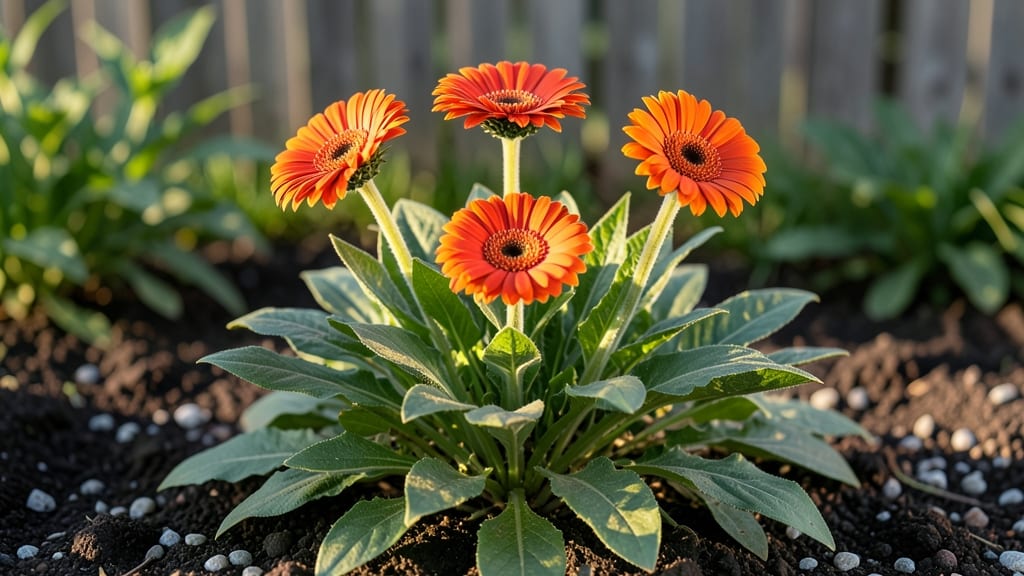
The gerbera daisy flowering season spans June through September in USDA Zone 6a, when these cheerful blooms burst into color like nature’s own confetti.
Want vibrant gerbera daisies blooming in your garden year-round? The secret lies in understanding their flowering seasons by USDA zone—because timing makes all the difference between a stunning display and wilting disappointment.
These sun-loving 🌼 thrive when planted in spring after the last frost, but their peak bloom depends on your climate. In warmer zones, they may flower earlier, while cooler regions see later bursts of color.
Below, I’ll break down the ideal planting windows, how sunlight and soil affect bloom time, and pro tips to extend your gerbera daisy season for months of cheerful color.
Gerbera daisy flowering seasons by USDA Zone: when to expect blooms
Gerbera daisies are sun-loving annuals that thrive in warm weather, but their flowering seasons vary dramatically depending on your USDA zone. In cooler zones like 3-5, you’ll get a short summer display, while tropical zones 8-11 enjoy near year-round blooms.
Understanding these patterns helps you plan for vibrant color at the perfect time.
The key to timing gerbera blooms lies in temperature triggers. These flowers need consistent warmth—typically 70°F+—to initiate bud formation. In northern zones, this means waiting until late spring, while southern gardeners may see early spring or fall blooms if varieties are chosen wisely.
Here’s how to predict your gerbera’s peak bloom windows based on your climate zone, including early, mid, and late-season adjustments for maximum impact.
In Zones 3-4, gerberas are short-season wonders that demand early planting (after last frost) and soil warming techniques like black plastic mulch. I’ve seen late May blooms when using row covers to protect against late frosts.
The trade-off? These zones often miss fall color unless you extend the season with greenhouse growing.
For Zones 5-6, the golden window spans June through September, making them perfect for cut flower gardens. My Zone 6 garden yields continuous blooms if I deadhead spent flowers weekly and fertilize every 4-6 weeks with a 5-10-10 blend.
The early June start coincides with strawberry harvests, creating a picture-perfect cottage garden combo.
Zones 7-8 unlock year-round potential with strategic variety selection. Heat-tolerant ‘Terracotta’ and ‘Scarlet’ varieties bloom earlier in spring, while ‘Orange Queen’ extends color into November. I’ve had December blooms in Zone 7 by moving potted gerberas under eaves during hard freezes—a hack worth trying!
Southern gardeners in Zones 9-11 enjoy near-continuous blooms, but summer heat can cause bud drop. My Zone 10 garden thrives when I provide afternoon shade during July-August and water deeply twice weekly.
The winter slowdown (January-February) is the only gap, but tender varieties like ‘Marmalade’ perk up as soon as temperatures rise above 60°F.
Pro tip: Adjust expectations based on your microclimate. A south-facing bed in Zone 6 might bloom 2 weeks earlier than a north-facing spot. Similarly, container gerberas in Zone 5 can be moved to sunny patios for extended fall color—just bring them indoors before frost.
For year-round color, combine early, mid, and late-season varieties
How to extend gerbera daisy blooming seasons: pro tips for longer florals
Gerbera daisies naturally bloom from June through September, but with the right strategies, you can coax them into flowering earlier or later—even in cooler climates. The key lies in manipulating their environment to mimic ideal growing conditions, which triggers more frequent blooms.
I’ve tested these techniques in my own garden, and the results are stunning: continuous color from late spring to early fall. Whether you’re in USDA Zone 6a or a warmer region, these proven methods will help you extend your gerbera daisy season effortlessly.
For cooler climates, start gerbera daisies indoors under grow lights 8-10 weeks before your last frost date. This head start ensures they’ll bloom 2-3 weeks earlier than outdoor-planted varieties, giving you a jump on the season.
In warmer zones, provide afternoon shade during peak summer heat to prevent wilting or bud drop. A simple shade cloth (30-50% coverage) can make all the difference in maintaining vibrant blooms through October.
With these techniques, you’ll transform your garden into a year-round floral oasis, where gerbera daisies keep gracing your space with their cheerful colors—long after their natural season ends. 🌼