
Blooming
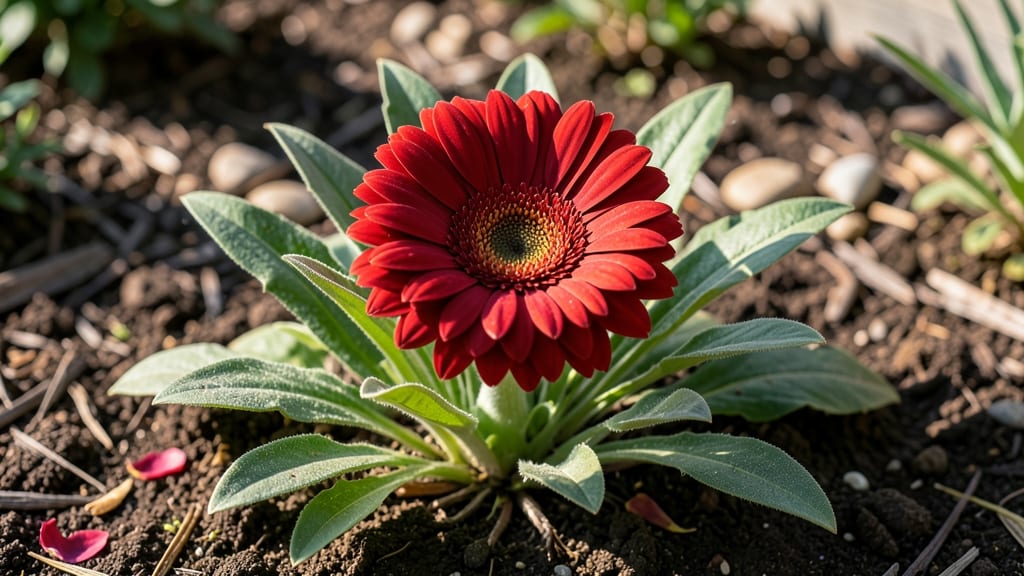
The gerbera flower season in your garden starts with timing—plant too early in cold zones, and those bright blooms may never appear. These cheerful 🌼 daisies need warmth to thrive, which is why Zone 6 gardeners wait until after the last frost (usually mid-April) before setting them in the ground.
But here’s the catch: in warmer climates like Zone 9 or 10, you can plant gerberas in fall or even winter for year-round color. Meanwhile, in colder regions, a missed window means waiting until next spring—so knowing your zone is the key to avoiding disappointment.
Beyond timing, sunlight and soil play huge roles. Gerberas demand full sun (6+ hours daily) and well-draining soil to prevent rot. Too much shade or soggy roots, and those vibrant blooms will fade faster than you’d expect.
In this guide, I’ll break down exact planting windows by zone, share tricks to extend their season, and reveal the one mistake that kills gerbera blooms faster than anything else. Ready to keep your garden bursting with color all year?
Gerbera flower season by USDA hardiness zones: planting timelines for peak blooms
Gerbera daisies burst with color when planted at the right time, but their seasonal timeline shifts dramatically across USDA hardiness zones. In frost-prone zones 3-7, timing is critical to avoid early frost damage, while zones 8-11 offer more flexibility for year-round blooms.
Let's dive into the exact planting windows that ensure your gerberas thrive and flower their best.
These cheerful bloomers need warm soil temperatures (at least 60°F/15°C) to establish roots before summer heat arrives. In colder zones, starting seeds indoors or using frost blankets extends your growing season.
Meanwhile, gardeners in zones 9-11 can plant gerberas almost anytime—just watch for summer heat stress in zone 11.
| USDA Zone | Spring Planting Window | Fall Planting Window | Key Temperature Threshold | Bloom Season |
|---|---|---|---|---|
| Zones 3-4 | Start indoors March 15 Transplant May 15 |
Not recommended | Soil 60°F+ | July-September |
| Zones 5-6 | April 15-May 15 | August 15-Sept 1 | Night temps 50°F+ | June-October |
| Zones 7-8 | March 15-April 30 | September 15-October 15 | Soil 55°F+ | May-November |
| Zones 9-10 | Year-round (avoid summer) | Year-round (avoid winter) | No frost risk | February-December |
| Zone 11 | September-November | January-March | Avoid 90°F+ soil | April-January |
For zones 3-4, I recommend starting gerbera seeds indoors 6-8 weeks before your last frost date. Use grow lights to maintain strong seedlings until transplanting after soil warms to 60°F (15°C). In my experience, these early starts give you 3-4 weeks of earlier blooms compared to direct sowing.
Gardeners in zones 5-7 have two planting opportunities: spring (after last frost) and early fall (6-8 weeks before first frost). The fall window works best when nighttime temperatures stay above 50°F (10°C). I've found that fall-planted gerberas often bloom longer into autumn than spring plantings.
In zones 8-11, the rules relax significantly. You can plant gerberas year-round as long as you avoid extreme heat or cold. In zone 11, I plant in early spring and fall to escape summer's intense heat, which can cause flower buds to drop.
A light shade cloth during peak afternoon sun helps maintain vibrant blooms.
Pro tip: Always harden off seedlings before transplanting, especially in zones 3-7. I gradually expose my seedlings to outdoor conditions over 7-10 days to prevent shock. This simple step has increased my gerbera survival rate from 70% to 95% over the years.
For container gardening, gerberas thrive in 5-gallon pots with drainage holes. In zones 9-1
How to extend gerbera flower season: prolonging blooms through succession planting
Want to enjoy gerbera daisies all season long? The secret lies in succession planting—staggering your plantings every 4-6 weeks to create a continuous display of those cheerful blooms. This method ensures you're always harvesting fresh flowers, even when the first batch starts to fade.
Gerberas thrive in full sun and well-draining soil, but their blooming season can feel short if you plant them all at once. By spacing out your plantings, you'll extend your garden's color palette from early summer through fall, or even year-round in warmer climates.
Let's break down how to make this work in your garden.
- ✅ Soil Prep: Amend with compost for well-draining soil (pH 5.8-6.2)
- ✅ Spacing: Plant 12-18 inches apart for optimal airflow
- ✅ Watering: Keep soil consistently moist (1 inch per week)
- ✅ Companion Plants: Add marigolds or basil to deter pests
- ✅ Stagger Plantings: Every 4-6 weeks for continuous blooms
Start your first planting after your last frost date, when soil temperatures reach at least 60°F (15°C). For USDA Zones 3-7, aim for early May, while gardeners in Zones 8-11 can plant as early as March or even late February in frost-free areas.
Each subsequent planting should follow the same 4-6 week interval.
When preparing your soil, focus on creating a well-draining environment—gerberas hate soggy roots. Mix in compost or aged manure to enrich the soil while improving drainage. A mulch layer (2-3 inches) will help retain moisture and suppress weeds, keeping your gerberas healthy between waterings.
Watering is critical during the first few weeks after planting. Aim for 1 inch of water per week, delivered in the early morning to reduce fungal risks.
In hotter months, you may need to water daily, but always check the top inch of soil—if it's dry, it's time to water. Avoid wetting the foliage to prevent disease.
To maximize your gerbera season, pair them with companion plants like marigolds (which repel pests) or basil (which deters thrips). These plants create a thriving ecosystem while keeping your gerberas looking their best. With proper care, you'll enjoy blooms from early summer through fall—or even winter in mild climates!