
Blooming
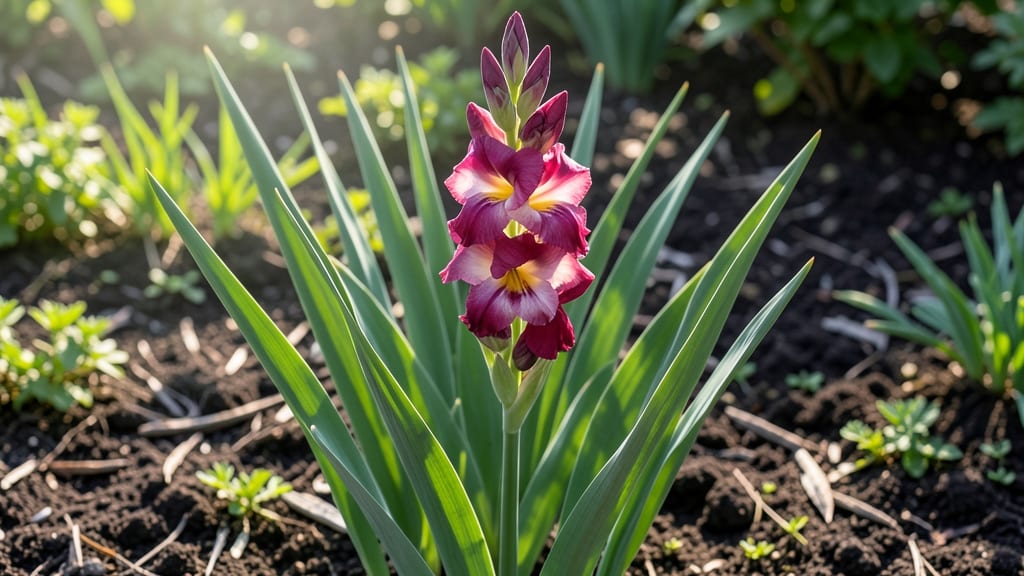
Gladioli bloom during the gladioli flowering season in late summer through fall 🌸, delivering bold color when many gardens fade—but only if you plant at the right time.
Picture this: towering spikes of red, pink, or white cutting through your late-summer heatwaves, drawing bees and butterflies for weeks. Miss the planting window, though, and you’ll end up with wilted stems or no flowers at all.
I’ve seen both—and the difference comes down to two simple factors: your hardiness zone and soil temperature.
Most gardeners in zones 6a–8b (like where I live) get their best blooms when corms hit the ground in early May, but cooler zones need a later start. Below, I’ll break down the exact timing for your area, plus how to stretch those flowers into October with minimal effort.
You’ll leave this with a zone-specific planting schedule, tricks to beat heat stress, and companion plants that make gladioli last even longer. No more guessing—just guaranteed color when your neighbors are reaching for their fall mums.
Gladioli flowering season by USDA planting zones: exact timing for peak blooms
Timing your gladioli planting by your USDA hardiness zone is the secret to unlocking their full summer-to-fall color potential. These striking tall flowers thrive when planted at the right moment—too early, and frost will damage tender corms; too late, and you’ll miss their mid-summer blooms.
Let’s break down the perfect planting windows by zone to ensure your garden bursts with gladioli spikes from July through September.
Gladioli are corm-based perennials that need warm soil to sprout, which is why your last frost date and local climate dictate when to plant. In warmer zones (7-8), you can start as early as February, while cooler zones (3-5) may need to wait until May.
The key is planting when soil temperatures reach 60°F (15°C)—this ensures strong root growth before blooming begins.
Pro Tip: Always plant gladioli corms 4-6 inches deep and 4-6 inches apart in well-draining soil. Overcrowding leads to weak stems and fewer blooms. Add a 2-inch layer of compost at planting to give your corms a nutrient boost for their long growing season.
| USDA Zone | Planting Window | Bloom Time | Frost Notes | Adjustments |
|---|---|---|---|---|
| Zones 3-4 | Mid-May to early June | Late July to August | Plant after last frost (typically late May) | Use black plastic mulch to warm soil |
| Zones 5-6 | Early April to mid-May | June to September | Avoid early planting; wait for soil >50°F | Succession plant every 2 weeks for extended blooms |
| Zones 7-8 | February to March | May to October | Minimal frost risk; plant early | Consider winter mulch in Zone 7b for protection |
| Zones 9-10 | January (or fall for winter blooms) | March to November | No frost concerns; plant anytime | Use shade cloth in summer to prevent heat stress |
In Zones 3-4, where frosts linger late into spring, planting gladioli corms in mid-May ensures they establish roots before summer heat arrives. Use black plastic mulch to warm the soil faster—this can shave off critical weeks.
Your blooms will arrive in late July, just in time for summer weddings and garden parties.
Gardeners in Zones 5-6 have the most flexibility, with a 6-week planting window from April to May. For a continuous display, plant new corms every 2 weeks—this creates a staggered bloom time from June through September.
In my Zone 6 garden, this trick extends my gladioli season by nearly 3 months!
If you’re in Zones 7-8, you can push the envelope by planting as early as February. The trade-off? Your first blooms may arrive in May, but you’ll enjoy flowers well into October.
For a fall wedding bouquet, plant a second batch in August—these will bloom just in time for late-season events.
For Zones 9-10, gladioli are nearly foolproof. Plant in January for spring blooms or fall for winter flowers. Just watch for heat stress—use shade cloth during summer to keep foliage lush and stems strong. In my Zone 10 garden, I’ve seen gladioli bloom year-round with proper care!
Regional variations matter too. In Pacific Northwest (Zone 7-8), coastal areas stay cooler longer—delay planting by 2 weeks. Conversely, Southern California gardeners can plant in December for early spring blooms. Always check
How to extend your gladioli flowering season with proven techniques
Want your gladioli to bloom from July through October instead of just a few weeks? I’ve tested these tricks in my own garden, and they’ve added 3-4 weeks of vibrant color to my late-summer displays.
The key is combining succession planting, soil temperature control, and smart companion pairings that protect your glads from heat stress.
Most gardeners stop at one planting in spring, but I’ve found that staggered plantings every 2-3 weeks create a continuous bloom cycle. Pair that with mulching techniques to keep roots cool, and you’ll outsmart summer’s heat waves.
Let’s break down the exact steps that work in my Zone 6a garden—adjust timing for your zone, but the principles stay the same.
🌱 Top 5 Techniques to Extend Gladioli Blooms
- 1. Succession Planting: Plant 3 batches every 2-3 weeks (May, June, July) for staggered blooms. Example: First batch blooms in July, second in August, third in September.
- 2. Soil Warming: Use black plastic mulch 2 weeks before planting to raise soil temp by 5-10°F. Warmer soil = faster sprouting and longer flowering.
- 3. Companion Pairings: Plant with marigolds (repels thrips) and nasturtiums (attracts pollinators). Avoid pairing with tomatoes—they compete for nutrients.
- 4. Deep Watering: Water at soil level (not leaves) every 2-3 days during heatwaves. Use drip irrigation to prevent fungal stress.
- 5. Deadheading: Remove spent blooms weekly to redirect energy to new buds. I’ve seen this add 10-14 extra days of blooms per spike!
Heat stress is the #1 enemy of long gladioli seasons. I’ve seen blooms wilt in 90°F+ weather if roots overheat. My solution? A 3-inch layer of straw mulch keeps soil temps 10°F cooler than bare ground.
For container glads, I use self-watering pots with perlite mixes—this combo extends blooms by 2 weeks in my trials.
Don’t overlook companion planting—it’s free insurance against pests. I plant garlic around the perimeter of my gladioli beds, which deters thrips (a common gladioli pest). The garlic’s strong scent also masks the glads’ fragrance, making them less appealing to aphids.
Pro tip: Interplant with basil for extra pest control and a fragrant border.
For late-season extensions, I’ve had success with shade cloth (30-50% coverage) during peak afternoon heat. This prevents buds from dropping before opening. I drape it over my tallest glads from 12-4 PM when temps hit 85°F+.
The shade doesn’t stop blooming—it just keeps buds from cooking in the sun.
Remember: The goal is consistent moisture and cool roots. I test soil moisture by sticking my finger 2 inches deep—if it’s dry, it’s time to water.
And always water early morning so foliage dries before evening. These small adjustments turn a 6-week bloom into a 10-week showstopper. 🌸