
How To
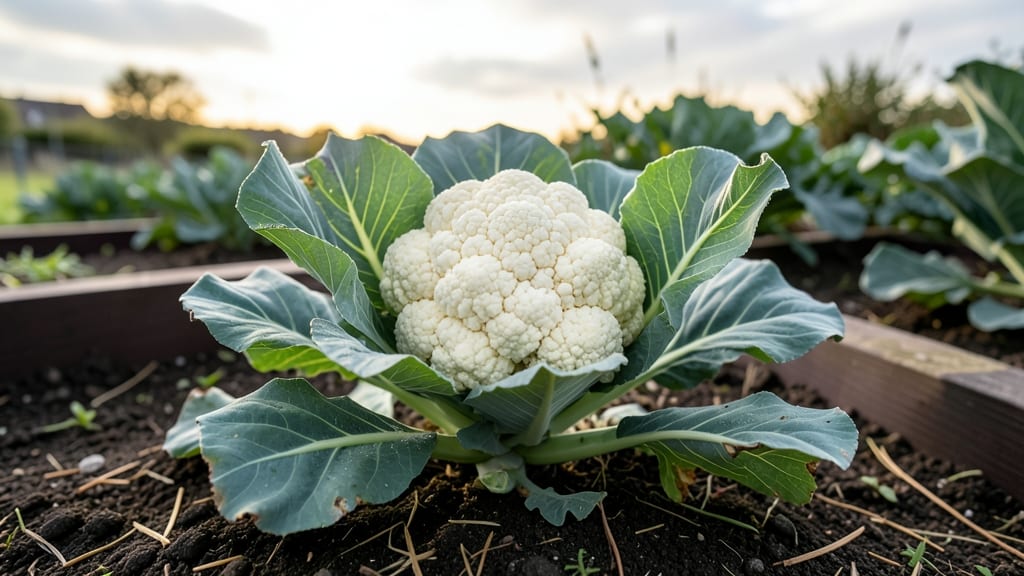
Cauliflower heads grow anywhere from 6 to 12 inches in diameter, depending on the variety you plant 🥬 — some dwarf types stay small enough for snacking, while heirlooms can swell to nearly a foot wide.
If you’ve ever wondered why some cauliflower heads tower over grocery store varieties—or how to choose the perfect size for your dinner table—you’re not alone. The size of your harvest depends entirely on the variety, growing conditions, and a little bit of timing.
For example, compact varieties like ‘Purple of Sicily’ produce 8-inch heads ideal for side dishes, while ‘Romanesco’ can reach 10+ inches with proper care. Meanwhile, the plant itself stays between 1 and 2 feet tall, making it perfect for small gardens or containers.
Knowing your cauliflower’s mature size helps with spacing, pruning, and even harvest timing. Below, I’ll break down how to maximize head size, avoid common mistakes, and plan your garden for the best yield—no matter which variety you grow.
Cauliflower size by variety: from mini heads to giant curds
Choosing a cauliflower variety isn’t just about flavor—it’s about head size. Some varieties produce tiny snack-sized curds perfect for salads, while others grow football-sized monsters that feed a crowd.
The variety you pick determines not only how big your harvest will be but also how much garden space you’ll need and even the flavor profile. Let’s explore the spectrum from miniature to massive.
Most gardeners focus on three main categories: dwarf varieties, standard varieties, and giant heirlooms. Dwarf cauliflowers stay compact, making them ideal for container gardening or small plots.
Standard varieties deliver the classic grocery-store-sized heads, while giant varieties can produce curds weighing over 5 pounds. Each type has unique growing requirements, so let’s dive into the specifics.
Head diameter is the most obvious way to compare sizes, but plant height and leaf spread also matter for spacing. A 6-inch diameter head might sound small, but it’s perfect for individual servings. Meanwhile, a 12-inch head can feed four people. Understanding these differences helps you plan your garden layout and avoid overcrowding, which can lead to smaller, underdeveloped heads.
Here’s a quick look at how variety influences size, along with their ideal growing conditions and best uses:
The Purple of Sicily is a favorite for small-space gardeners because its 4-6 inch heads mature quickly and thrive in containers or raised beds. Its vibrant purple hue also adds visual interest to meals.
If you’re growing for a family of four, the Snowball Y Improved variety is a reliable choice, producing 6-8 inch heads that are perfect for roasting or steaming.
For something truly unique, Romanesco cauliflower offers a fractal-shaped head that’s as beautiful as it is delicious. While its 4-6 inch diameter is modest, its intricate patterns make it a conversation piece on any plate.
This variety also tolerates cooler temperatures better than most, making it ideal for early spring or fall planting.
If you’re aiming for large-scale harvests, the Cheddar and Avalanche varieties are excellent picks. Both produce 8-12 inch heads that are perfect for freezing or sharing with neighbors. These varieties require more garden space and nutrients, so plan accordingly.
The Avalanche is particularly prized for its sweet flavor and tight curd structure, making it a favorite among heirloom growers.
At the extreme end of the spectrum, the Giant of Sicily can produce heads over a foot wide, weighing up to 5 pounds. These giants are a showstopper in the garden and at the table, but they require rich soil, consistent moisture, and plenty of space.
If you’re growing for market sales or large gatherings, this variety is worth the extra effort. Just be prepared for longer maturity times—up to 100 days in
How to maximize cauliflower head size in your garden
To grow cauliflower heads that rival grocery store giants—or even surpass them—you need to focus on four key factors: soil nutrition, consistent watering, proper spacing, and temperature control.
I’ve learned that skipping even one of these can leave you with small, loose heads instead of the dense, impressive curds you’re after 🥬.
Start by amending your soil with aged compost or a balanced 10-20-20 fertilizer before planting. Cauliflower is a heavy feeder, and nutrient-deficient soil will stunt head development. I mix in a handful of bone meal for extra phosphorus, which boosts head formation.
For container gardens, use a high-quality potting mix with added compost to ensure nutrients aren’t washed away.
Now, let’s talk about the biggest mistake I see gardeners make: inconsistent watering. Cauliflower needs 1-2 inches of water per week, but the soil must stay evenly moist—not soggy, not dry.
I water mine deeply in the morning to reduce fungal risks, and I always mulch around the base to lock in moisture. During heatwaves, I increase watering to every 2-3 days to prevent heads from cracking or splitting.
⚠️ Warning: These Mistakes Shrink Your Cauliflower Heads
- Overcrowding: Planting too close (less than 18 inches apart) steals nutrients and sunlight, leading to small, misshapen heads.
- Temperature swings: Letting soil temps rise above 85°F causes bolting (flowering) before heads mature.
- Nitrogen overload: Too much nitrogen fuels leaves, not heads—resulting in leafy stalks with tiny curds.
- Late pruning: Removing lower leaves too late disrupts photosynthesis, stunting head growth.
Spacing is another game-changer. I plant my cauliflower varieties at least 18-24 inches apart in rows spaced 30 inches apart to allow airflow and prevent disease. Dwarf varieties like ‘Snowball Y’ can handle 12-inch spacing, but larger types need room to breathe.
If you’re growing in containers, choose compact varieties and use pots at least 12 inches deep with 1 gallon of soil per plant.
Temperature control is often overlooked, but it’s critical. Cauliflower thrives in cool weather (55-75°F). If your summers are scorching, I recommend planting in early spring or late summer to avoid heat stress.
Use shade cloth (30-50%) during peak afternoon sun if needed. I’ve also had success growing cauliflower under row covers to extend the season and protect heads from pests like cabbage moths.
Finally, don’t forget to blanch the heads 1-2 weeks before harvest. This means tying the outer leaves together to shield the head from sunlight, which keeps it tight and white. For colored varieties like ‘Graffiti’ or ‘Purple of Sicily’, blanch loosely to preserve their hues.
Harvest when heads are 6-12 inches wide, firm to the touch, and leaves are still vibrant. If left too long, heads loosen and become woody.
With these tips, you’ll go from store-bought disappointment to homegrown giants—ready to impress at your dinner table. Happy growing! 🌱