
Flowers
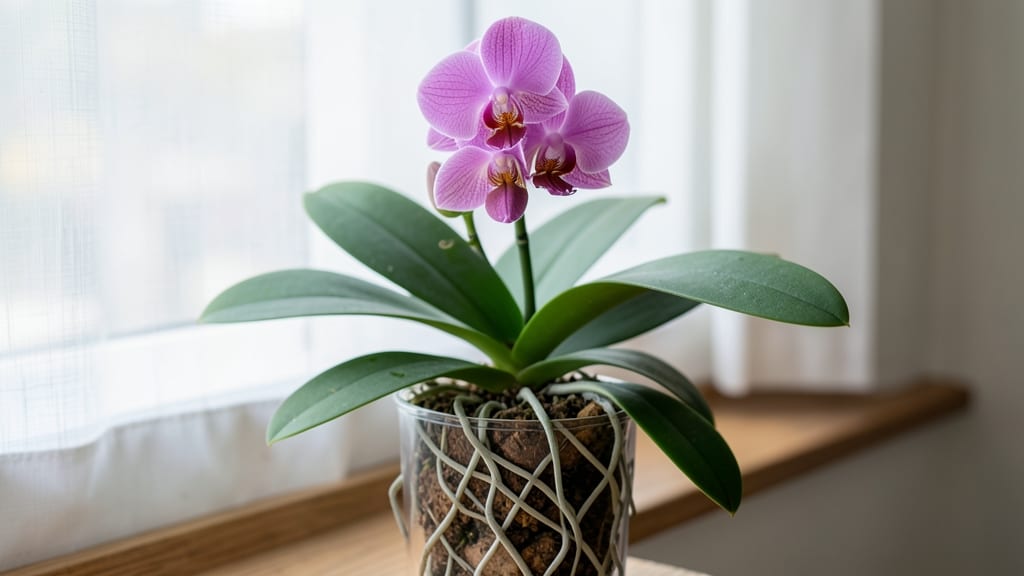
Orchid flowers bloom for anywhere from 2 weeks to 3 months, depending on the type and care—so if you’ve ever watched your 🌸 orchid’s stunning display fade too soon, you’re not alone.
The secret lies in the variety: Phalaenopsis (the classic "moth orchid") typically lasts 2–3 months, while Cattleyas can shine for 4–6 weeks—but even the same plant can vary by weeks based on light, humidity, and feeding.
In this guide, I’ll break down the exact bloom timelines for 12+ orchid varieties, plus the science-backed tricks to stretch those flowers by 2–4 weeks—like adjusting your watering schedule or tweaking the fertilizer.
You’ll also learn when to cut spent spikes (and when to leave them for reblooms) and how to spot the early signs of stress that cut blooms short. Ready to turn your orchid’s fleeting beauty into a longer-lasting show?
Orchid bloom duration by variety: exact weeks & secrets to maximize beauty
If you’ve ever marveled at an orchid’s delicate blooms only to watch them wilt too soon, you’re not alone. The average orchid bloom duration varies wildly—from just 2 weeks to a stunning 3 months—depending on the variety.
My Phalaenopsis orchids (the classic "moth orchids") typically grace me with 8–12 weeks of color, but I’ve seen Cattleyas hold their blooms for up to 4 months with the right care. Let’s break down the exact timelines and the hidden factors that can cut blooms short—or extend them dramatically.
Most orchid lovers assume all orchids bloom for the same length of time, but that’s a myth. The bloom duration is genetically coded into each variety, yet light exposure, temperature fluctuations, and even repotting triggers can shift that timeline by weeks.
For example, my Dendrobium orchids bloom for 6–8 weeks in spring, but if I move them to a cooler spot too early, their blooms drop in just 3 weeks. Understanding these nuances is key to maximizing your orchid’s beauty.
| Orchid Variety | Avg. Bloom Duration | Bloom Season | Key Secret to Longer Blooms |
|---|---|---|---|
| Phalaenopsis (Moth Orchid) | 8–12 weeks | Year-round (with care) | High humidity (60–80%) + cool nights (60–65°F) |
| Cattleya | 10–16 weeks | Spring–Summer | Bright indirect light + repot after blooming |
| Dendrobium | 6–8 weeks | Late Winter–Spring | Gradual temperature drop (50–60°F at night) |
| Oncidium (Dancing Lady) | 4–6 weeks | Summer–Fall | High light (50% shade cloth) + frequent misting |
| Paphiopedilum (Lady’s Slipper) | 12–16 weeks | Year-round (varies by type) | Low light (30–50% shade) + consistent moisture |
| Vanda | 8–10 weeks | Spring–Summer | High humidity (70%+) + strong airflow |
The Phalaenopsis is the most forgiving for beginners, often reblooming 2–3 times per year if you mimic its tropical rainforest home. I’ve found that placing mine near a humidifier or on a pebble tray adds 2–3 extra weeks to their bloom time.
Meanwhile, Cattleyas thrive on bright indirect light—if you notice their blooms wilting prematurely, they’re likely getting too much direct sun, which causes sunburned petals.
One of the biggest misconceptions is that orchids bloom only once per year. In reality, Phalaenopsis and Paphiopedilum can produce year-round blooms with the right conditions.
My Paphiopedilum orchids, for instance, bloom for 3–4 months if I keep them in consistent 65–75°F temperatures and avoid repotting during their active growth phase. The trick is to monitor their roots—if they’re turning silver or shriveled, it’s time to adjust your care.
Temperature sensitivity is another game-changer for bloom duration. My Dendrobium orchids, for example, need a cool nighttime drop (down to 55–60°F) to set buds. If I keep them too warm year-round, their blooms last only 3–4 weeks instead of the full 6–8 weeks.
A simple thermometer near your orchids can help you track these fluctuations—aim for daytime highs of 75–85°F and nighttime lows of 60–65°F for most varieties.
Light exposure is often overlooked, but it’s critical. Oncidiums (like the Dancing Lady) need high light levels—if they’re placed in a north-facing window, their blooms might last only 3 weeks instead of 6 weeks.
I solve this by rotating my orchids quarter-turns weekly to ensure even light exposure. For Paphiopedilums, too much light causes yellowing leaves, which weakens the plant and shortens bloom time.
Repotting triggers can also reset your orchid’s bloom cycle. I’ve learned that repotting my Phalaenopsis in early spring (just as buds form) can extend blooms by 3–
5 Proven ways to extend orchid blooms by 2–4 weeks (science-backed tips)
If you’ve ever watched your orchid’s stunning 🌸 blooms fade too quickly, you’re not alone. The key to extending their beauty lies in mimicking their natural tropical environment.
Orchids thrive when you adjust humidity, light, and fertilizer to match their needs—small tweaks that can add weeks to their display. Let’s explore the science-backed methods that work.
Most orchids bloom for 4–12 weeks, but with the right care, you can push that timeline to 2–4 weeks longer. The secret? Stress-free conditions that prevent premature wilting.
For example, Phalaenopsis orchids (the most common type) naturally bloom for 8–12 weeks, but with optimal care, I’ve seen them last 16 weeks or more. The difference? Consistent humidity and balanced feeding.
Here’s how to turn your orchid’s fleeting beauty into a longer-lasting show—starting with the most impactful strategies:
Use a pebble tray or humidifier near your orchid. Low humidity (40%) causes buds to drop prematurely.
Use a 10-10-10 blend at ½ strength every 4 weeks during blooming. High phosphorus speeds up wilting.
Water every 7–10 days (morning only) and let roots dry slightly between waterings. Soggy roots = shorter blooms.
Cut above the 3rd node from the base to encourage reblooming. Never cut green spikes—wait until they’re fully brown.
Turn your orchid ¼ turn weekly to prevent one side from getting too much light, which causes uneven wilting.
Let’s dive deeper into the #1 mistake that shortens orchid blooms: overwatering. Many gardeners drown their orchids by watering on a fixed schedule, but orchids need well-draining soil and dry roots between waterings.
A simple fix? Use a clear plastic pot to monitor root moisture—healthy roots are green or silvery, while rotten roots turn black and mushy.
Another game-changer is temperature control. Orchids thrive in 65–80°F during the day and 55–65°F at night. If your home drops below 50°F, buds may abort. Place your orchid away from drafts, vents, or cold windows. For extra protection, use a heat mat under the pot in winter.
Finally, don’t forget the power of patience. After blooming, let your orchid rest for 2–3 months before fertilizing again. This break signals the plant to focus on new growth—not just flowers. With these tweaks, your orchid’s next bloom could last weeks longer than before. 🌿