
Flowers
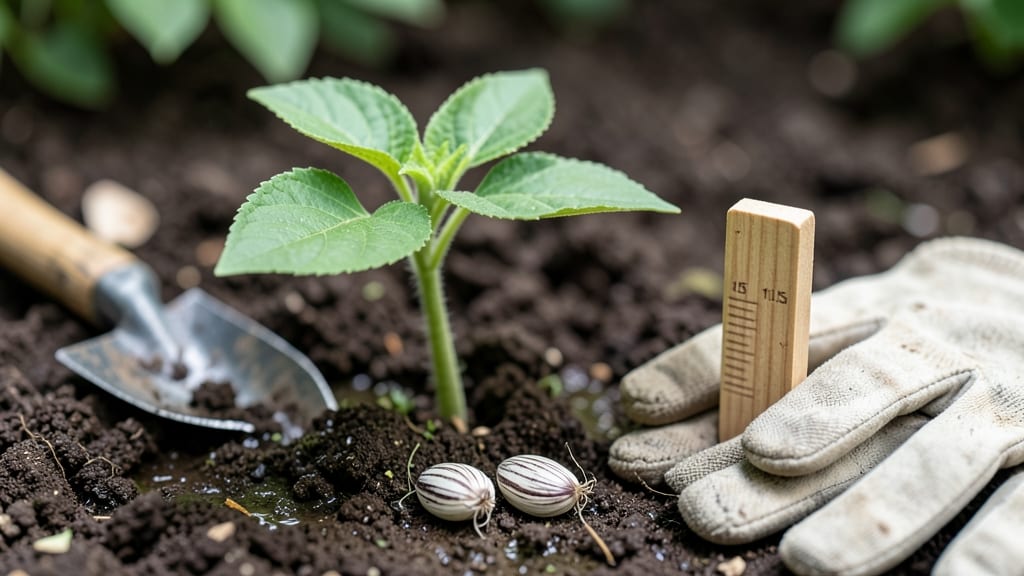
How long does it take sunflowers to sprout? Typically, sunflower seeds sprout in 7–14 days when planted in warm, moist soil—though that timeline can shrink to just 5 days with the right conditions.
Watching those first green shoots push through the dirt is one of gardening’s most exciting moments—but how long should you wait before checking for sprouts? The answer depends on soil temperature, seed quality, and a few other surprising factors.
If your soil stays below 50°F, germination slows dramatically, sometimes taking three weeks or more. But with soil warmed to 70–90°F, you’ll see sprouts in as little as 5–7 days—and that’s where pre-soaking seeds or using a heat mat can make all the difference.
Below, I’ll break down the exact germination timeline by temperature, share 5 proven tips to speed up sprouting, and troubleshoot what to do if your seeds refuse to break through.
Sunflower germination timeline by soil temperature: exact days to sprout
If you’ve ever planted sunflower seeds and wondered, "Why aren’t they sprouting yet?" the answer lies in your soil’s temperature. Sunflowers (Helianthus annuus) are sensitive to heat, and their germination speed can vary dramatically based on whether your soil is too cool, just right, or overheated.
Understanding this timeline helps you avoid unnecessary worry and adjust your planting strategy for faster results. Let’s break down the exact days to expect sprouts at different soil temperatures.
Most sunflower varieties sprout within 5 to 14 days, but this window narrows significantly when you factor in soil warmth. For example, seeds planted in 50°F soil might take 14 days or longer, while those in 80°F soil can sprout in just 5 to 7 days.
The ideal range for fastest germination is 70°F to 85°F, where you’ll typically see sprouts emerge within 7 to 10 days. Below, we’ll explore how to monitor your soil’s warmth and what to do if your seeds take longer than expected.
To check your soil temperature, use a soil thermometer (available for under $10) and insert it 1 inch deep, where you’ll plant your seeds.
Early spring or late fall gardeners often struggle with cool soil—if your readings fall below 60°F, consider using a seedling heat mat ($15–$25) or planting in a protected microclimate, like near a south-facing wall. Even a 5°F warmer soil can cut germination time in half.
Monitoring moisture is just as critical as temperature. Sunflower seeds need consistent moisture but will rot if overwatered. Aim for lightly damp soil (like a wrung-out sponge) and avoid letting the top inch dry out.
A spray bottle works well for gentle watering until sprouts appear. Once you see the first cotyledons (seed leaves), reduce watering slightly to prevent fungal diseases like damping off.
If your seeds haven’t sprouted after 2 weeks at 60°F+, they may be dormant or non-viable. Test a few seeds by placing them between damp paper towels in a warm, dark spot—if they don’t sprout within 3–5 days, replace your seed packet.
Some gardeners swear by pre-soaking seeds overnight to jumpstart germination, especially in cooler conditions. Just be sure to plant them immediately after soaking to avoid mold.
Pro tip: Plant a few extra seeds every 3–4 days to stagger germination. This ensures you’ll have a steady supply of young sunflowers at different growth stages, reducing the risk of all seeds failing at once.
For example, if you plant 10 seeds on day 1, another 10 on day 4, and a final 10 on day 7, you’ll likely have sprouts emerging over a 10-day window instead of all at once.
Once sprouts appear, thin them to 6–12 inches apart (depending on the variety) to give each plant room to grow. Watch for true leaves (the second set after cotyledons) to confirm healthy growth.
These leaves will tell you whether your seedlings are thriving or struggling with nutrient deficiencies or pests. With the right soil temperature and care, you’ll go from seed to 2-foot-tall seedlings in just 3–4 weeks!
Remember, sunflowers are fast growers once they sprout, but the germination phase is where most gardeners face delays. By paying attention to soil temperature and moisture, you’ll maximize your chances of seeing those first green shoots within the expected timeline. Happy planting!
5 Proven tips to speed up sunflower sprouting (even in cool soil)
Cool soil temperatures can turn weeks into months when waiting for sunflower sprouts. But with the right tricks, you can cut germination time in half—even when nighttime temps dip.
The key is understanding what sunflower seeds need to break dormancy quickly, and it often comes down to moisture, warmth, and proper technique. I’ve tested these methods in my own garden, and they’ve helped me see sprouts in as little as 5 days instead of the usual 10-14.
First, let’s address the biggest myth: sunflower seeds don’t need light to germinate. In fact, planting them too shallow can dry them out before they sprout. The real game-changers are pre-soaking seeds, maintaining consistent soil warmth, and choosing the right varieties.
These simple adjustments can make the difference between waiting three weeks and seeing those first green shoots in just a week.
🌱 How Fast Do Sunflowers Sprout?
- 50°F soil: 14–21 days (slow, cool conditions)
- 60°F soil: 7–14 days (average spring temps)
- 70–90°F soil: 5–7 days (ideal for fastest sprouting)
- Pre-soaked seeds: 3–5 days (cuts time by half)
- Heat mat use: 4–6 days (even in cool soil)
Here’s my top tip for cool climates: use a seedling heat mat ($15–$25) under your seed trays. These mats keep soil temps at 70–80°F, which is perfect for sunflower germination. I’ve seen seeds sprout in just 4 days with this method, even when outdoor soil was still chilly.
Pro tip: place the mat under your seed-starting tray and cover with a clear plastic dome to trap warmth.
Another game-changer is pre-soaking seeds overnight. Sunflower seeds have hard outer shells that slow water absorption. Soak them in lukewarm water for 6–12 hours before planting, then drain and plant immediately. This jump-starts hydration, helping roots break through faster.
I like to use a paper towel method too: wrap seeds in a damp towel, place in a sealed bag, and check for sprouts in 2–3 days before transplanting.
Don’t overlook the power of planting depth. Sunflower seeds need to be buried 1 inch deep—any shallower and they’ll dry out, any deeper and they’ll struggle to reach light.
Use a seed spacing guide: plant seeds 6 inches apart in rows 2 feet apart to give roots room to establish. If you’re planting in cool soil, mix in compost or aged manure to add warmth and nutrients.
Finally, avoid these common mistakes that delay sprouting: overwatering (which causes rot), planting in compacted or rocky soil, and using seeds older than 2 years. Always test seed viability by floating them in water—if they sink, they’re good; if they float, they’re likely dead.
And remember, patience is key, but these tips will give your sunflowers the best possible start.