
Light Requirements
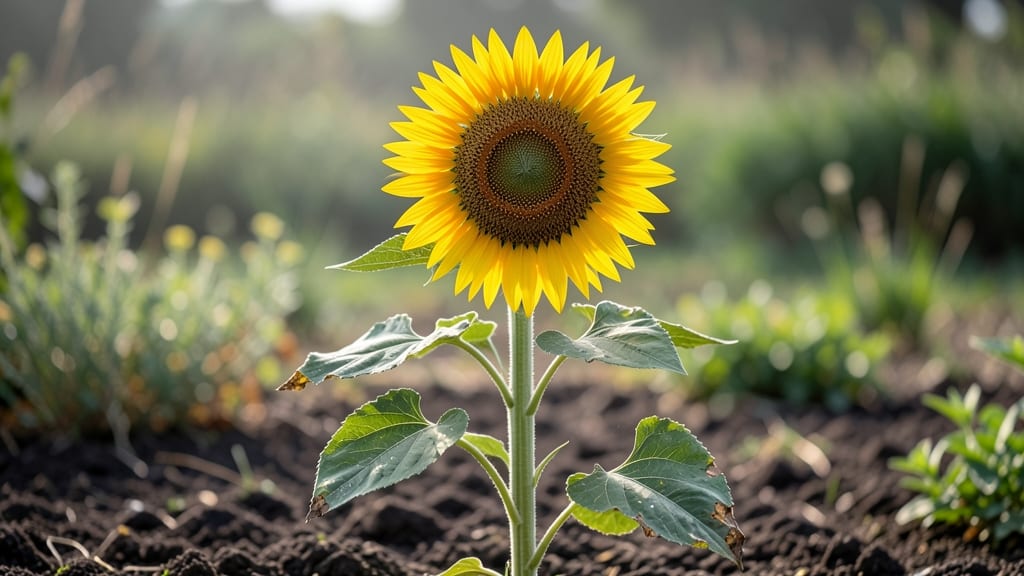
How much light does a sunflower need? To grow tall, vibrant, and strong 🌻, sunflowers require 6 to 8+ hours of direct sunlight daily—anything less and you’ll end up with leggy stems and sad blooms.
Picture this: You’ve just planted your seeds in April, dreaming of 10-foot giants by summer, only to watch them stretch toward the sky like they’re reaching for something they can’t quite touch. That’s the classic sign of light deprivation, and it’s easier to fix than you think.
Most gardeners assume full sun means "as much as possible," but sunflowers actually thrive with morning sun and afternoon shade in hot climates. Too much scorching heat can stress them just as much as too little light.
The key is finding that sweet spot where they get plenty of rays without wilting.
In this guide, I’ll break down exactly how to measure sunlight, spot the warning signs of insufficient light, and even share tricks for supplementing light if your yard falls short. By the end, your sunflowers will be standing proud—just like they’re supposed to.

Sunflower light requirements: minimum hours of sun for maximum growth
Sunflowers thrive under bright sunlight, but not all varieties demand the same amount. While most need 6-8 hours of direct sun daily, some dwarf varieties can tolerate 4-6 hours in partial shade. Understanding these differences ensures your sunflowers grow tall, strong, and vibrant rather than leggy or weak.
Direct sunlight means unfiltered rays from the sun, while partial sun includes filtered light or dappled shade. Most sunflowers prefer full sun exposure, but even a few hours of shade can impact their growth.
Let’s break down the exact light needs for each type to help you plan the perfect spot in your garden.
| Variety | Minimum Sunlight (Hours/Day) | Ideal Sunlight (Hours/Day) | Growth Impact of Insufficient Light |
|---|---|---|---|
| Giant Sunflowers (e.g., 'Mammoth', 'Russian Giant') | 8+ | 10-12 | Leggy stems, weak blooms, slow growth |
| Standard Sunflowers (e.g., 'Autumn Beauty', 'Teddy Bear') | 6-8 | 8-10 | Smaller blooms, pale petals, fewer seeds |
| Dwarf Sunflowers (e.g., 'Teddy Bear', 'Little Becka') | 4-6 | 6-8 | Stunted growth, delayed flowering |
| Single-Stem Varieties (e.g., 'Pro Cut', 'Soraya') | 6-8 | 8-10 | Thin stems, poor seed production |
If your sunflowers aren’t getting enough light, you’ll notice tall, spindly stems reaching for the sun. This is their way of stretching toward light, but it weakens their structure and reduces bloom size. Pale or yellowing leaves are another red flag—your plants aren’t photosynthesizing efficiently without enough sunlight.
For giant sunflowers, aim for 10+ hours of sun if you want those record-breaking heights. These varieties are the most demanding and need the most light to support their massive growth. Standard varieties, like 'Autumn Beauty,' thrive with 8-10 hours daily, producing vibrant blooms and strong stems.
Even dwarf sunflowers prefer 6+ hours of sun, though they can handle 4 hours in partial shade. However, their blooms will be smaller and less vibrant if they don’t get enough light.
If you’re growing sunflowers in containers, place them in the sunniest spot on your patio or balcony, as pots heat up faster and can limit root growth.
Measuring sunlight exposure is easy: use a sunlight tracker or observe your garden throughout the day. Note how many hours your spot receives direct rays versus filtered light. South-facing gardens in the Northern Hemisphere get the most sun, while north-facing spots may only receive partial sun or shade.
If your garden lacks natural sunlight, consider supplemental grow lights for 12-14 hours daily. LED grow lights are energy-efficient and mimic sunlight, helping sunflowers thrive even indoors. Just ensure the light is 12-18 inches above the plants to avoid overheating.
For container-grown sunflowers, rotate pots weekly to ensure even growth. Without consistent light exposure, stems may bend toward the sun, creating an uneven shape. A self-watering planter with good drainage also helps, as sunflowers need well-draining soil to prevent root rot in hot, sunny conditions.
Remember, sunflowers are sun-loving annuals, and their light needs directly impact their growth. By providing the right amount of sunlight, you’ll enjoy taller stems, bigger blooms, and healthier plants all season long. 🌻
Signs your sunflowers aren’t getting enough light (and how to fix it)
If your sunflowers are growing slower than expected or looking pale and stretched, they’re probably begging for more light. The most obvious sign is leggy stems—those long, weak stalks reaching desperately toward the sky.
This happens when sunflowers don’t get their required 6-8 hours of direct sunlight daily, causing them to grow tall and thin instead of strong and sturdy.
Another red flag is small, sparse leaves that appear pale or yellowish. Sunflowers need bright light to produce deep green foliage, and without it, they’ll start looking anemic. You might also notice fewer or no flower buds forming, even if the plant seems healthy otherwise.
This is your sunflower’s way of saying, “I need more energy from sunlight to bloom!”
🌱
⚠️ How Much Light Does a Sunflower Need?
Minimum: 6 hours of direct sunlight daily for basic growth.
Optimal: 8+ hours for full, vibrant blooms and strong stems.
Danger Zone: Less than 4 hours leads to weak, non-flowering plants.
🌞 Pro Tip: Use a sunlight tracker or move plants to sunnier spots by observing shadows at noon.
To fix light deprivation, start by relocating your sunflowers to the sunniest spot in your yard. If you’re growing them in containers, place them on a south-facing patio or balcony where they can soak up morning and afternoon sun.
For gardeners in shady areas, consider using a portable grow light for 12-14 hours a day to supplement natural light.
If your sunflowers are already struggling, don’t despair—some shade-tolerant varieties like ‘Teddy Bear’ or ‘Moulin Rouge’ can handle partial sun (4-6 hours). These dwarf varieties won’t reach the same heights as their sun-loving cousins, but they’ll still produce cheerful blooms.
Just be prepared for smaller flowers and slower growth compared to full-sun varieties.
For existing plants, prune lower leaves to encourage airflow and redirect energy to the upper stems. This helps the plant focus on growing taller and stronger toward the light. Pair this with a balanced fertilizer (like 10-10-10) to give your sunflowers the nutrients they need to recover from light stress.
Finally, keep an eye on your sunflowers’ progress. If they’re still struggling after a few weeks, it might be time to reassess your growing conditions or consider starting fresh with a new batch in a sunnier location.
With the right light, your sunflowers will reward you with bold, towering blooms that turn every garden into a showstopper. ☀️