
Watering
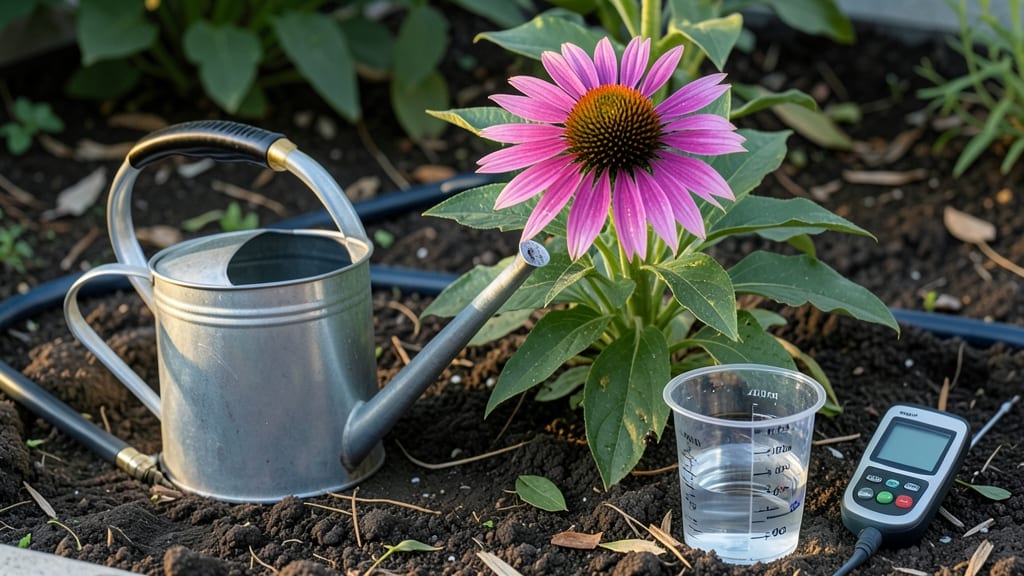
Watering coneflowers the right way keeps those vibrant purple blooms thriving all season long 🌼—and the trick is knowing how often to water them without drowning their roots.
Struggling to keep your coneflowers vibrant and blooming? The key to their survival—and stunning purple blooms—lies in understanding their watering needs, especially in drought-prone climates. Too much water, and you risk root rot; too little, and those drought-tolerant plants wilt faster than you’d expect.
New seedlings need consistent moisture, while established plants can go weeks without a drink once their roots take hold. That’s why I’m breaking down the exact schedule—from spring planting to summer heatwaves—so you never guess again.
You’ll learn how to read your soil, spot the signs of over- or under-watering, and even cut back on watering with smart mulching tricks. Let’s get those coneflowers blooming like they’re designed for neglect—because they are!
Ideal watering schedule for coneflowers by growth stage
Mastering the watering schedule for your coneflowers ensures vibrant blooms and robust growth. These drought-tolerant plants have distinct needs at each stage, from delicate seedlings to mature bloomers. Understanding these differences prevents both overwatering and underwatering, which can stress your plants or invite pests.
For seedlings, consistency is critical. They require daily moisture to establish roots, but soggy soil can drown them. Once established, mature coneflowers thrive with less frequent watering, especially in hot, dry climates. Let’s break down the perfect routine for each growth phase to keep your garden flourishing.
🌱 Seedlings (First 4-6 Weeks)
During the seedling stage, I focus on keeping the soil evenly moist but never waterlogged. Use a spray bottle or gentle watering can to avoid disturbing the delicate roots. Morning watering is ideal—it allows excess moisture to evaporate, reducing the risk of fungal diseases like powdery mildew.
Once your coneflowers reach the established plant stage (typically after 6-8 weeks), you can reduce watering to once every 7-10 days.
This frequency assumes average rainfall; adjust if your region experiences drought. Deep watering—soaking the soil to a depth of 6 inches—encourages roots to grow deeper, making your plants more resilient.
For mature blooming coneflowers, I cut back even further to every 10-14 days during peak summer. These hardy plants store moisture in their roots, so they can handle brief dry spells.
However, if your area faces prolonged drought, increase frequency to every 5-7 days and apply a 2-3 inch mulch layer to lock in moisture.
In winter or dormancy, watering needs drop dramatically. A monthly light check with just ¼ inch of water is sufficient. Overwatering in cold months can lead to root rot, so always check soil moisture by inserting your finger 1-2 inches deep before watering.
Pro tip: Mulching is a game-changer for coneflower watering efficiency. A 2-3 inch layer of organic mulch (like straw or shredded leaves) reduces evaporation by up to 30%, cutting your watering needs by half. Plus, it suppresses weeds and improves soil health over time.
If you’re growing coneflowers in containers, expect to water 2-3 times per week in summer, as potted plants dry out faster. Use well-draining pots with drainage holes and a moisture-retentive potting mix to mimic garden conditions.
Watch for wilting leaves or yellowing foliage—these are red flags. While some wilting is normal in hot afternoons, persistent droopiness signals thirst. On the flip side, mushy stems or yellowing leaves with brown edges mean you’re overwatering. Adjust your schedule accordingly to keep your coneflowers thriving.
With this stage-specific watering guide, your coneflowers will reward you with bold blooms from early summer through fall. Happy gardening! 🌼
Signs your coneflowers need (or don’t need) water
Coneflowers are masters of survival, but even they’ll send you clear signals when their roots crave moisture—or when you’re overdoing it. The trick is learning to read their leaves, stems, and soil like a pro.
I’ve watched my own coneflowers go from wilting to blooming again just by paying attention to these subtle clues.
Start by checking the soil moisture—stick your finger 1-2 inches deep. If it feels dry, it’s time to water. But don’t rely on guesswork alone. Your coneflowers will tell you everything you need to know through their physical appearance and the way they feel to the touch.
- 1. Wilting Leaves: Soft, drooping purple petals by midday mean it’s time to water. Unlike heat stress, this wilting recovers quickly after a deep drink.
- 2. Stem Flexibility: Bend a stem—if it snaps easily, the plant’s hydrated and happy. If it bends but doesn’t spring back, it’s thirsty fast.
- 3. Soil Pull Test: Grab a handful of soil—if it crumbles like dry cake, water immediately. If it sticks together, hold off for 5-7 more days.
- 4. Root Health: Lift a plant gently—if roots are light brown and firm, they’re well-watered. Dark, mushy roots? Overwatering alert.
- 5. Flower Buds: Buds that shrink or fall off before blooming signal underwatering. Too much water? Buds may rot before opening.
Don’t ignore the time of day either. Watering in the morning lets roots absorb moisture before the heat evaporates it. I’ve seen coneflowers revive within hours after a deep morning watering—their leaves perking up like they’ve just had a spa day.
Overwatering is just as harmful as underwatering. Yellowing leaves or mushy stems mean you’re smothering those roots. Let the top inch of soil dry out between waterings, especially in containers or clay-heavy soil, which drain poorly.
Pro tip: Mulch heavily (3-4 inches of straw or wood chips) to lock in moisture. My coneflowers stay hydrated for 10-14 days longer with mulch—no guessing required. The soil stays cooler, and weeds stay away too!
Trust your coneflowers—they’ll tell you exactly what they need. Once you master these signs, you’ll water like a drought-proofing expert in no time 🌼.