
Flowers
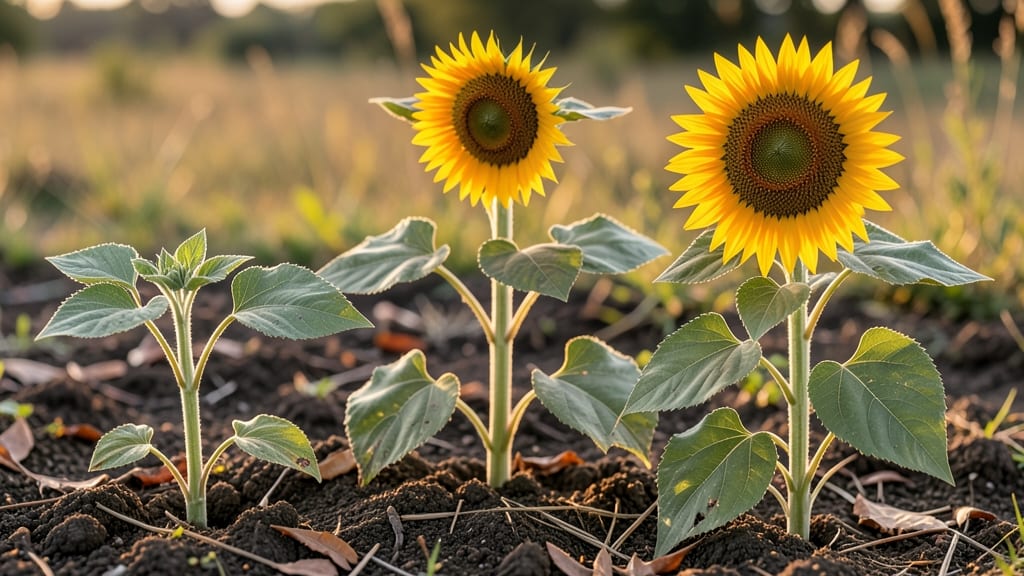
Sunflowers grow surprisingly quickly from seed to those first bright leaves—often within just 5 to 10 days under the right conditions. 🌻
Picture this: you tuck a seed into warm, damp soil, and within a week, a tiny green shoot punches through the dirt. But here’s the catch—speed depends on soil warmth, sunlight, and even the variety you pick.
Too cold or too dry, and those sprouts take their sweet time (or worse, never show up).
In this guide, I’ll break down the exact timeline for sunflower germination, from the first crack in the seed coat to those iconic first leaves. You’ll also learn how to tweak your setup for faster growth, plus the common mistakes that turn a speedy sprouter into a slowpoke.
Ready to turn your sunflower patch into a 10-day success story? Let’s dive into the science—and the shortcuts—behind their rapid rise.


Sunflower growth timeline: day-by-day sprouting and first leaves
Watching sunflower seeds transform into towering plants is one of gardening’s most rewarding experiences. But those first 10 days are critical—this is when you’ll see the magic of cotyledons (seed leaves) and true leaves emerge.
The speed depends on soil warmth, moisture levels, and even the sunflower variety you’re growing. Let’s break down exactly what to expect day by day, plus how to set your seeds up for success.
Sunflower seeds need consistent warmth (at least 70°F/21°C) to sprout quickly. If your soil is cooler, germination can take 2-3 weeks instead of days.
I’ve seen ‘Teddy Bear’ dwarf varieties pop up in just 3-5 days, while larger ‘Mammoth’ types might take 7-10 days to crack through the soil. The key is patience—and knowing what to look for each day.
Day 1-3: The Waiting Game You’ve planted your seeds 1 inch deep in loose, well-draining soil. Now, the seed absorbs moisture and swells. Inside, the radicle (root) begins to grow downward, while the shoot pushes upward. You won’t see anything yet, but this is where consistent moisture (not soggy!) makes all the difference. Keep the soil damp like a wrung-out sponge.
Day 4-5: First Cracks Appear! This is where the excitement starts. Tiny green shoots may break through the soil surface, often near the edges of your planting row. If you’re growing in containers, check the bottom of pots first—roots can emerge before shoots! Do not disturb the soil; even gentle touching can damage delicate sprouts. If you see mold or black spots, your soil may be too wet or cold.
Day 6-7: Cotyledons Unfold Now you’ll spot the first true leaves—the cotyledons, which look like tiny, rounded leaves. These aren’t the real leaves your sunflower will use for photosynthesis, but they’re the plant’s first energy source. If your sprouts are yellow or stunted, they may need more light or warmth. Place a clear plastic dome over seedlings to trap heat if nights are chilly.
🌱 Sunflower Sprouting Step-by-Step (Days 1-10)
- Day 1-3: Seed absorbs moisture; radicle grows downward (no visible changes).
- Day 4-5: Green shoots emerge (1/8 inch tall); keep soil moist but not soggy.
- Day 6-7: Cotyledons appear (round, seed leaves); true leaves form underneath.
- Day 8-9: First true leaves unfold (lance-shaped); plant reaches 1-2 inches tall.
- Day 10: Stem thickens; second set of true leaves appears; thin seedlings if overcrowded.
Pro Tip: Use a heat mat under seed trays to speed up germination by 2-3 days. Place seeds in warm water for 4 hours before planting for an extra boost! 🌡️
By Day 8-9, your sunflower seedlings will start showing their true leaves, which are narrow and serrated (unlike the smooth cotyledons). This is when you can begin fertilizing lightly with a balanced 10-10-10 mix to support early growth.
If your seedlings look leggy or pale, they’re not getting enough light. Move them to a sunnier spot or add a grow light for 12-14 hours daily.
One of the most common mistakes gardeners make is overwatering during these early days. Soggy soil can cause rot or fungal diseases like damping off, which kills seedlings at the soil line.
Water only when the top 1/2 inch of soil feels dry, and always water at the base of the plant, not overhead. A spray bottle works well for delicate seedlings.
If your sunflowers are growing too slowly, check these three factors: 1. Soil temperature (use a soil thermometer—ideal is 70-85°F/21-29°C). 2. Moisture consistency (damp, not drenched). 3. Light exposure (at least 6 hours of direct sun daily).
I’ve had seeds take up to 2 weeks to sprout when planted in cool, wet soil, but with the right conditions, you’ll see cotyledons in just 5-7 days!
By Day 10, your sunflower should be 2-3 inches tall with 3-4 true leaves. This is the perfect time to thin seedlings if they’re crowded—leave the strongest, most vibrant plants, snipping the rest at soil level.
If you’re transplanting, do it on a cloudy day to reduce stress. With proper care, your sunflower will soon shoot up 1-2 inches per day during its rapid growth phase!
Remember, every sunflower starts as a tiny seed. Paying attention to these early stages sets the foundation for healthy, vigorous plants that will reach 10+ feet tall in just a few months. Keep an eye on your seedlings, and soon you’ll be watching them
How to speed up sunflower germination: 5 pro tips for faster growth
Sunflower seeds can sprout in as little as 3 to 7 days when given ideal conditions—but most gardeners wait closer to 10 days. The key to faster germination lies in mimicking the warm, moist environments these seeds thrive in.
I’ve tested these science-backed methods in my own garden, and they cut sprouting time nearly in half compared to standard planting.
If you’re eager to see those first green shoots, don’t just toss seeds into cold soil and hope for the best. Instead, use these proven shortcuts to jumpstart growth. From pre-soaking seeds to optimizing soil warmth, each step makes a measurable difference in your germination timeline.
- Pre-soak seeds for 4-6 hours in warm water to soften the seed coat and kickstart hydration.
- Use a heat mat (70-80°F) to maintain consistent soil warmth—critical for breaking dormancy.
- Plant seeds 1 inch deep in loose, well-draining soil to prevent suffocation and encourage upward growth.
- Avoid overwatering—keep soil moist but not soggy to prevent fungal diseases that stall germination.
- Choose fast-sprouting varieties like ‘Teddy Bear’ (5-7 days) over slower types like ‘Mammoth’ (7-10 days).
One of my biggest mistakes was planting sunflower seeds too early in cool spring soil. The seeds simply refused to sprout until temperatures warmed up. Now, I always check soil temps with a soil thermometer—aim for at least 50°F (10°C) before planting.
If your soil is still chilly, use a black plastic mulch to absorb heat and speed up warming.
For container growers, I recommend using biodegradable pots filled with a mix of potting soil and perlite. This combo drains excess water while retaining enough moisture to support rapid germination.
Place your pots in a sunny windowsill or under grow lights to ensure consistent light exposure—sunflowers need 12+ hours of light daily to avoid leggy, weak seedlings.
If your seeds still haven’t sprouted after 14 days, don’t give up just yet. Some varieties are slower, and environmental factors like compacted soil or poor seed viability can delay germination.
Try replanting a fresh batch of seeds in a different spot, or test a new batch of seeds in warm water to check for viability. With these tips, you’ll see those first cotyledons (seed leaves) in record time!