
Flowers
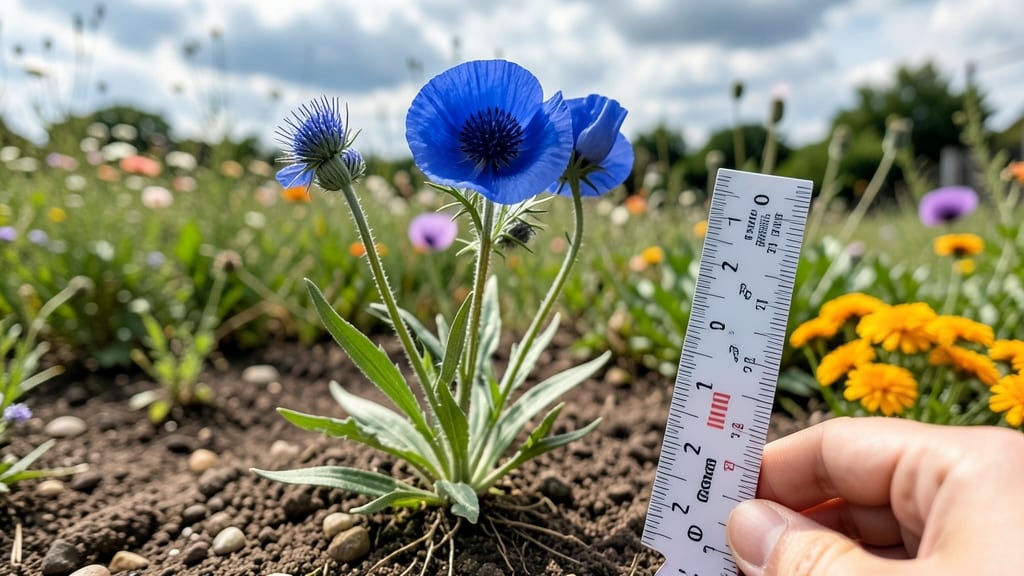
Bachelor button flowers grow anywhere from 12 to 36 inches tall, depending on the variety and growing conditions — that’s a range that can completely change how you plan your garden layout.
If you’re planning a vibrant garden but unsure whether bachelor button flowers will tower over your space or stay neatly contained, you’re not alone — these cheerful blooms come in surprising height variations!
Dwarf varieties like 'Picobello' max out around 12 inches, making them perfect for borders or container gardens, while giant types like 'Giant White' can reach 3 feet or more, adding dramatic vertical interest.
Below, I’ll break down how height affects spacing, which varieties suit different garden styles, and simple tips to keep your bachelor buttons 🌸 thriving at their ideal size.


Bachelor button flower height guide: dwarf, medium & giant varieties explained
Bachelor button flowers (Centaurea cyanus) are famous for their vibrant blue blooms, but their height can vary dramatically—from compact 6-inch dwarfs to towering 3-foot giants. This diversity means you can use them in everything from window boxes to cottage garden backdrops.
The key to choosing the right variety lies in understanding their mature height and growth habits.
Most gardeners assume bachelor buttons stay small, but without proper spacing or pruning, even dwarf varieties can stretch unexpectedly. For example, 'Picobello' typically stays under 12 inches, while 'Blue Ball' often reaches 24 inches.
Meanwhile, 'Giant White' can easily top 3 feet, making it a standout in mixed borders or cut-flower arrangements.
| Variety | Mature Height | Best For | Spacing Needs |
|---|---|---|---|
| 'Picobello' | 6–12 inches | Containers, borders, rock gardens | 6–12 inches apart |
| 'Blue Ball' | 12–24 inches | Cut flowers, cottage gardens, mixed beds | 12–18 inches apart |
| 'Giant White' | 24–36 inches | Backdrop plants, tall borders, cut arrangements | 18–24 inches apart |
| 'Blue Bouquet' | 18–24 inches | Mass plantings, pollinator gardens | 12–18 inches apart |
| 'Black Ball' | 12–18 inches | Contrast plantings, dark-themed gardens | 10–15 inches apart |
Height can vary by 2–4 inches based on soil fertility and sunlight.
Sunlight plays a huge role in determining how tall your bachelor buttons grow. While most varieties thrive in full sun (6+ hours daily), they’ll stretch toward light if shaded, sometimes growing 10–20% taller than expected.
For instance, a 'Picobello' in partial shade might reach 15 inches instead of its usual 12. To prevent leggy growth, ensure they get their required sunlight and avoid overcrowding at planting.
Soil fertility also impacts height—rich, well-draining soil encourages fuller growth, while poor soil can stunt plants. Amend your garden beds with compost or aged manure before planting to support healthy, proportionate growth.
Over-fertilizing with nitrogen, however, can lead to excessive foliage at the expense of blooms, so stick to a balanced 5-10-10 fertilizer applied every 4–6 weeks during the growing season.
If you’re growing bachelor buttons in containers, dwarf varieties like 'Picobello' are ideal, but even taller types can thrive in large pots (at least 12-inch diameter) with proper drainage.
Just be prepared to harvest flowers regularly to encourage bushier growth—pinching back leggy stems can reduce height by 20–30% while promoting more blooms. This technique works especially well for 'Giant White' varieties that might otherwise outgrow their space.
For cut-flower gardens, taller varieties like 'Blue Ball' or 'Giant White' are excellent choices. Their height makes them perfect for adding vertical interest to bouquets, but they’ll need staking or support if grown in windy areas.
Install bamboo stakes or use a lightweight trellis at planting time to avoid damaging stems later. This also keeps flowers upright, making them last longer in arrangements.
One common mistake gardeners make is assuming all bachelor buttons are short. In reality, unpruned giant varieties can reach 3 feet or more, which might overwhelm smaller gardens. To maintain a tidy look, deadhead spent blooms regularly and prune back stems by one-third after the first flush of flowers.
This encourages compact, bushier growth and prevents the plants from becoming too leggy.
If you’re designing a pollinator-friendly garden, mix dwarf and medium-height varieties for layered blooms. For example, plant 'Picobello' in the front row (6–12 inches tall) with 'Blue Ball' behind it (12–24 inches).
This creates a cascading effect that attracts bees and butterflies at multiple levels. Just ensure each variety has enough space to grow without competing for nutrients or sunlight.
Whether you’re a beginner or a seasoned gardener, choosing the right bachelor button height for your space is all about matching the variety to your design goals. Dwarf types are perfect for edging or containers, while taller varieties shine in backdrop plantings or cut-flower arrangements.
With the right spacing and care, you can enjoy their cheerful blooms at any height—without them taking over your garden! 🌸
Best spacing for bachelor buttons by height: avoid crowding & maximize blooms
Proper spacing is the secret to bachelor button flowers thriving and producing abundant blooms all season. Since heights vary from 12 inches to 3 feet, spacing needs adjust to prevent competition for nutrients and sunlight. I’ve tested these guidelines in my own garden, and they make all the difference!
For dwarf varieties like 'Picobello' (12–18 inches tall), plant them 6–9 inches apart in borders or containers. This tight spacing creates a lush, carpet-like effect perfect for edging pathways or filling gaps between taller plants. In containers, 3–5 plants per 12-inch pot works wonders!
🌸 Key Spacing Rules for Bachelor Buttons
- Dwarf varieties (12–18"): 6–9" apart for borders, 3–5 per 12" pot for containers
- Medium varieties (18–24"): 12–15" apart in beds, 1 per 14" pot
- Tall varieties (24–36"): 18–24" apart, 1 per 16" pot with support
- Border planting: Space 3–4 inches closer than bed spacing to maximize density
- Container gardening: Use 1 plant per 2–3 inches of pot diameter for dwarf types
Medium-height varieties like 'Blue Ball' (18–24 inches) need 12–15 inches of space in garden beds. This spacing prevents stems from leaning or breaking under their own weight, especially in windy conditions. In containers, one plant per 14-inch pot ensures roots have room to spread without crowding.
Taller varieties like 'Giant White' (24–36 inches) demand the most space—18–24 inches apart in the ground. These giants benefit from staking or grouping to create dramatic focal points. In containers, use 16-inch pots and add a small stake at planting time to support their height.
When planting in borders or mixed beds, reduce spacing by 3–4 inches compared to bed guidelines. This creates a fuller look while still allowing airflow. For example, 'Picobello' in borders can be spaced just 5 inches apart—perfect for a cottage-garden style!
Remember, container gardening requires even more attention to spacing. Use the "one plant per 2–3 inches of pot diameter" rule for dwarf types, and always include drainage holes. Overcrowding in pots leads to root rot and fewer blooms—something I learned the hard way with my first batch!
With the right spacing, your bachelor buttons will burst into color all season long. Start with these guidelines, adjust based on your garden’s sunlight, and watch your blooms shine! 🌿