
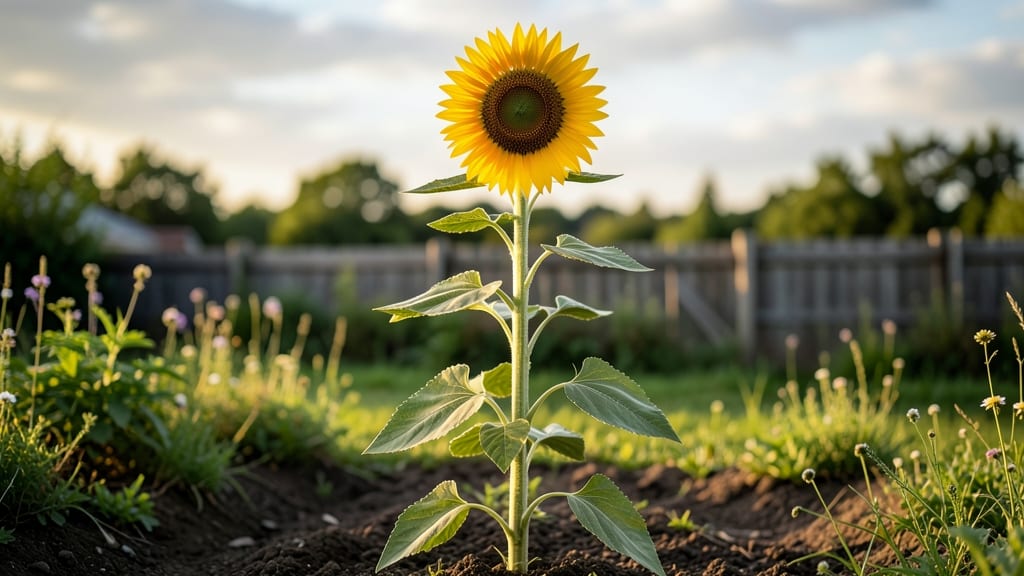
How Tall Do Sunflower Plants Get: Variety Height Chart for Garden Planning

Size

How Tall Do Sunflower Plants Get: Variety Height Chart for Garden Planning

Sunflower plants get anywhere from 1 foot to 16 feet tall, depending on the variety you choose — and that range can change how you plan your garden layout.

Picture this: a 3-foot dwarf in a container on your patio, then a 14-foot giant towering over your fence line, casting shade over everything in its path. The right placement isn’t just about aesthetics; it’s about giving your sunflowers the space they need to thrive without crowding out other plants.

If you’ve ever planted sunflowers only to watch them lean dramatically toward the sun or struggle to stand upright, you know height matters more than most gardeners realize. Some varieties, like the Russian Giant, can reach basketball hoop height or higher, while others stay compact enough for small spaces.

Knowing these differences upfront saves you from last-minute rearranging or disappointed expectations when harvest time rolls around.

Beyond variety, soil quality, water consistency, and sunlight exposure play huge roles in determining how tall your sunflowers will grow. A well-drained, nutrient-rich soil mix paired with 6+ hours of direct sun daily can push even mid-sized varieties toward their maximum height potential.

But skip the fertilizer or overwater, and you might end up with stunted growth — or worse, floppy stems that snap in the first wind.

In this guide, I’ll break down the height ranges of 15+ popular sunflower varieties, share proven tips to maximize growth, and show you how to arrange them in your garden for the best results.

Whether you’re dreaming of a sunflower hedge or just want a few cheerful blooms in pots, you’ll leave here with a clear plan to grow them tall — or short — exactly how you want.

📈 Sunflower Growth Timeline
3-12 ft
Year 1
10-14 ft
Year 2
12-16 ft
Year 3
3-16 ft (varies by variety)
Mature

Sunflower height chart by variety: from dwarf to giant types

Sunflowers aren't just one-size-fits-all—some varieties stay compact enough for container gardening, while others stretch taller than a two-story house. The height differences between sunflower types can be dramatic, from 1-foot dwarfs to 15-foot giants.

Choosing the right variety ensures your garden layout works perfectly, whether you're creating a pollinator haven or a dramatic focal point.

Understanding these height variations helps you plan spacing, avoid shading issues, and select varieties that fit your space. For example, a Russian Giant needs plenty of room, while a Teddy Bear can thrive in a small patio pot.

Let’s explore the most popular varieties and their mature heights to help you make the best choice for your garden.

Variety Height Range Spacing Needs Days to Mature Best For
Teddy Bear 3-5 ft 12-18 in apart 50-60 days Containers, borders
Moulin Rouge 4-6 ft 18-24 in apart 60-70 days Cut flowers, pollinators
Autumn Beauty 5-7 ft 24-30 in apart 70-80 days Cut flowers, wildlife
Russian Giant 12-15 ft 36-48 in apart 100-120 days Focal points, large gardens
Mammoth 10-14 ft 30-36 in apart 90-100 days Tall arrangements, screens
Sunspot 2-3 ft 12-18 in apart 50-60 days Containers, edging
ProCut 6-8 ft 24-30 in apart 70-80 days Cut flowers, bouquets
Giant Russian 14-16 ft 48-60 in apart 110-130 days

How sunflower height affects garden layout and companion planting

Sunflowers aren’t one-size-fits-all—some varieties reach 15 feet while others stay under 3 feet. This dramatic height variation means your garden layout must account for sunlight access, wind resistance, and companion plant compatibility.

Tall sunflowers can cast deep shadows that smother nearby plants, while dwarf varieties thrive in containers or mixed beds. Strategic placement ensures your sunflowers support—not sabotage—your garden’s ecosystem.

Start by grouping sunflowers by height to create vertical layers in your design. Place tall varieties (10+ ft) along fences or property lines, where they won’t block sunlight for shorter plants.

Semi-dwarf types (3-6 ft) work well in mid-height beds, while dwarf sunflowers (1-3 ft) can edge pathways or fill containers. This tiered approach maximizes pollinator access while preventing overcrowding.

🌻 Sunflower Height Zones for Garden Layout

🌱 Dwarf (1-3 ft)
🌿 Semi-Dwarf (3-6 ft)
🌳 Standard (6-10 ft)
🏢 Giant (10-15+ ft)

📌 Layout Tip: Space tall sunflowers 3-4 ft apart to prevent wind damage and improve airflow. Dwarf varieties can be planted 12-18 inches apart in mixed beds.

Companion planting is where sunflower height becomes a superpower for your garden. Tall varieties like 'Russian Giant' attract pollinators and deter pests like aphids from nearby veggies. Pair them with bush beans or corn, which benefit from the extra shade in hot climates.

Meanwhile, dwarf sunflowers like 'Teddy Bear' make excellent living mulch around tomatoes or peppers, suppressing weeds without blocking light.

Avoid planting sunflowers next to shallow-rooted plants like lettuce or radishes, as their deep taproots can compete for nutrients. Instead, use them as windbreaks for delicate flowers like cosmos or zinnia.

For container gardens, choose dwarf varieties and pair them with trailing plants like nasturtiums to create a vertical display that maximizes small spaces.

If you’re worried about shading issues in mixed beds, opt for early-blooming dwarf sunflowers that finish their cycle before taller varieties cast long shadows. For example, plant 'Moulin Rouge' (5 ft) in early spring, followed by 'Autumn Beauty' (10 ft) in late summer.

This staggered approach ensures continuous blooms while minimizing competition for sunlight.

Pro tip: Use stakes or cages for giant sunflowers to prevent them from toppling in windy areas. This not only protects your investment but also creates vertical interest in your garden design.

For added drama, interplant clematis or morning glories at their base—they’ll climb the sunflower stems as they grow, creating a living trellis that changes with the seasons.

★★★★★4.5(6 reviews)
Categories Size