
How To
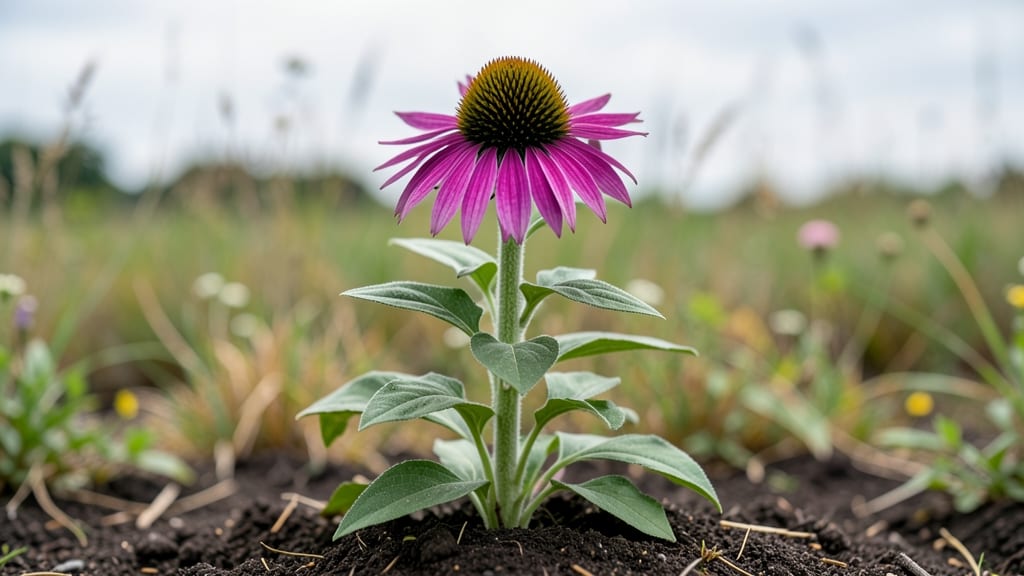
Coneflowers grow between 1 and 5 feet tall, depending on the variety, making them a versatile choice for almost any garden design.
If you're planning your garden layout and wondering how much vertical space these 🌼 beauties will need, knowing their mature heights is essential—whether you want them as bold centerpieces or low-maintenance borders.
Some varieties, like the dwarf Echinacea purpurea, stay compact at just 12 to 18 inches, perfect for containers or front-of-the-border plantings. Others, such as Echinacea paradoxa, can reach towering heights of up to 5 feet, ideal for adding drama to the back of a flower bed.
Below, I’ll break down the height ranges of popular coneflower varieties, spacing tips to keep your garden looking its best, and how to choose the perfect height for your space—whether you’re working with a small balcony or a sprawling backyard.


Coneflower height ranges by popular variety (from dwarf to giant)
If you're planning your garden and wondering how tall coneflowers grow, the answer depends entirely on the variety you choose. Coneflowers (Echinacea spp.) offer a stunning range of heights, from compact dwarf cultivars perfect for borders to towering varieties that make dramatic focal points.
Understanding these height differences helps you select the perfect plants for your space, whether you're creating a pollinator-friendly meadow or a structured perennial border.
Most gardeners assume all coneflowers reach similar heights, but the truth is far more exciting. Some varieties stay under 18 inches tall, while others can soar to 5 feet or more.
This diversity means you can mix and match coneflowers to create layers in your garden design, from foreground accents to towering backdrops. Let's explore the most popular varieties and their mature heights to help you make informed choices for your landscape.
Why height matters in coneflower selection goes beyond aesthetics. Taller varieties often require stronger stems to support their blooms, while dwarf types may need staking or protection from heavy rainfall. Additionally, height affects sunlight exposure—taller plants may cast shade on shorter neighbors, which is important when pairing coneflowers with other perennials. Let's dive into the specifics with this handy comparison table.
For gardeners with limited space, dwarf coneflowers like 'White Swan' or the 'Jelly Bean' series are ideal choices. These varieties stay under 2 feet tall and thrive in containers, window boxes, or the front of perennial beds.
Their compact size makes them perfect for small gardens, urban balconies, or even as pollinator-friendly accents in rock gardens. I've found that these smaller varieties also require less staking support since their stems
How coneflower height affects garden design and spacing
Coneflower height plays a critical role in your garden's overall design and function.
Taller varieties like Echinacea paradoxa can reach 4 to 5 feet, making them perfect for back-of-border plantings or privacy screens, while dwarf types like Echinacea 'White Swan' stay between 12 and 18 inches, ideal for container gardens or edging.
Understanding these height differences helps you create visual layers and functional spaces in your landscape.
The spacing you choose directly impacts how well your coneflowers thrive and how they interact with their surroundings. For example, tall varieties (3–5 feet) need 24–36 inches between plants to prevent overcrowding, while dwarf varieties (12–24 inches) can be planted 12–18 inches apart.
Proper spacing ensures good airflow, reducing the risk of fungal diseases and allowing each plant to reach its full potential.
Here’s how coneflower height influences key garden design factors:
- Sunlight Exposure: Taller coneflowers (3–5 ft) cast more shade on surrounding plants, so place them behind shorter varieties to avoid blocking sunlight for sun-loving neighbors like black-eyed Susans or daylilies.
- Wind Resistance: Shorter varieties (12–18 in) are less prone to flopping in windy conditions, making them ideal for exposed areas, while taller types benefit from staking or grouping behind windbreaks.
- Pollinator Attraction: Coneflowers of all heights attract bees and butterflies, but taller varieties create vertical interest for pollinators, encouraging them to linger longer in your garden.
- Companion Planting: Pair tall coneflowers (4–5 ft) with grasses or ornamental grasses to soften their height, while dwarf varieties work well with annuals like salvia or calibrachoa for colorful borders.
- Container Gardening: Dwarf coneflowers thrive in pots (12–18 in tall), but taller varieties need large containers (18+ in diameter) to support their root systems and prevent tipping.
When designing your garden, consider the mature height of your coneflowers in relation to your home’s architecture or pathways. For instance, a 5-foot coneflower planted near a patio can create a natural privacy screen, while a 12-inch variety adds texture to a front-yard border.
Always measure your space before planting to ensure your coneflowers won’t outgrow their intended area.
Another key consideration is how coneflower height affects maintenance access. Taller varieties may require regular deadheading to encourage more blooms, but their height can make this task more challenging. If you’re prone to skipping garden chores, opt for shorter varieties that are easier to reach and maintain.
Additionally, taller coneflowers can block views or pathways if planted too close to walkways, so keep this in mind when mapping out your layout.
For pollinator-friendly gardens, taller coneflowers create vertical pathways for bees and butterflies to navigate, increasing their effectiveness as a food source. Pair them with other tall perennials like bee balm or Russian sage to create a dynamic, layered look that supports wildlife year-round.
Remember, the right spacing and height combination not only enhances your garden’s beauty but also its ecological function.
If you’re unsure about which height to choose, start with a mix of dwarf and standard varieties to test what works best in your space. Observe how they interact with sunlight, wind, and neighboring plants over a growing season.
With the right planning, coneflowers of any height can become the star of your garden—whether they’re standing tall in the back or adding a pop of color up front.