
Planting
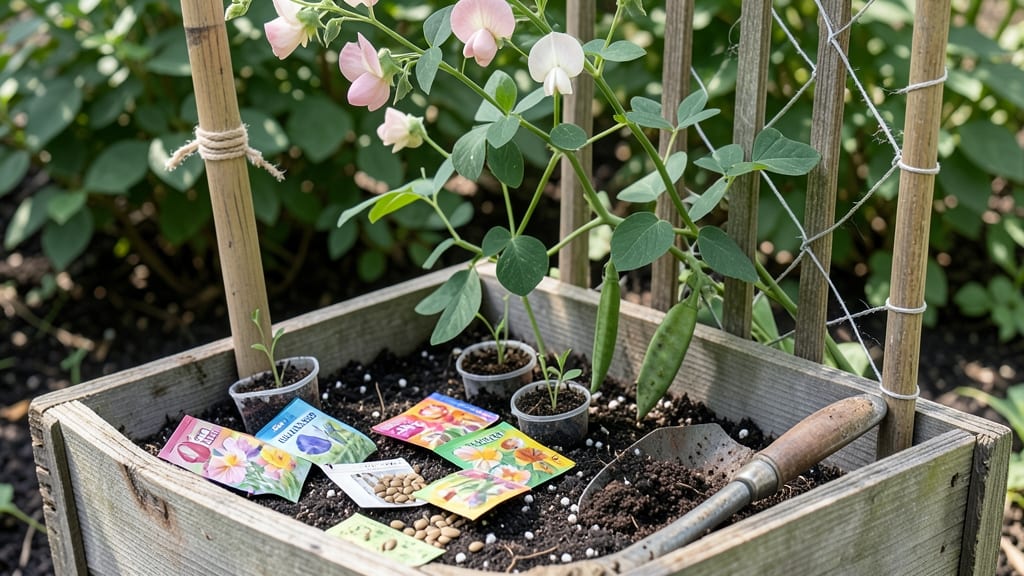
Planting sweet pea flowers 🌸 the right way means fragrant vines that climb effortlessly and bloom like crazy—no tangled messes or sad, sprawling plants.
Sweet peas aren’t just fragrant climbers—they’re the secret weapon for adding vertical charm to your garden with minimal space. But planting them wrong means struggling with tangled vines and weak blooms.
Here’s the game-changer: a simple, step-by-step guide to soil prep, trellis tricks, and seasonal timing that turns your sweet peas into a show-stopping display from June to September.
You’ll learn how to time your planting for maximum blooms, choose the perfect trellis, and train those vines like a pro—so you’re not left with floppy stems and disappointed flowers.


Sweet pea planting 101: soil, seeds, and seasonal timing
Sweet peas thrive when planted in the right conditions, and getting these basics right means the difference between weak, sprawling vines and lush, fragrant climbers bursting with blooms. The secret starts with your soil and timing—two factors that make or break your sweet pea success.
Let’s break down the essentials so you can plant with confidence, whether you’re in Zone 5 or 9.
First, soil drainage is non-negotiable. Sweet peas hate soggy roots, so amend heavy clay with compost or perlite to create loose, airy soil. Aim for a pH between 6.5 and 7.0—slightly acidic to neutral—because sweet peas are finicky about their soil chemistry.
A quick soil test kit (under $10) will save you from guessing. If your soil is too alkaline, mix in peat moss or sulfur to adjust it before planting.
Now, let’s talk seed viability. Sweet pea seeds lose potency after 3-4 years, so check the seed packet date. For best results, soak seeds overnight in lukewarm water to soften the hard outer shell.
This trick speeds up germination from 10-14 days to just 5-7 days. Pro tip: Use a paper towel folded around the seeds in a sealed bag—this keeps them hydrated without drowning them.
Timing your plantings is another game-changer. In most regions, early spring (March-April) is ideal, 2-3 weeks after your last frost date. But don’t stop there—sweet peas also perform well in fall plantings (August-September) for late-season blooms.
If you live in Zone 10 or warmer, you can even plant in winter for spring flowers. Just remember: sweet peas need cool weather (50-70°F) to germinate and grow.
When it’s time to plant, dig a shallow trench (½ inch deep) and scatter seeds 2–3 inches apart. Press them lightly into the soil—don’t bury them deeper, or they’ll struggle to emerge.
If you’re sowing in rows, space them 18 inches apart to give vines room to sprawl or climb. Once seedlings pop up, thin them to 3 inches apart to prevent overcrowding and improve airflow, which cuts down on fungal diseases like powdery mildew.
Regional timing matters too. In cooler climates (Zones 3–5), start seeds indoors 8–10 weeks before your last frost for an early jump. In warmer zones (6–9), direct-sow in fall (September-October) for spring blooms.
Sweet peas are cool-season lovers, so avoid planting when soil temps exceed 75°F—they’ll bolt (go to seed) instead of flowering.
Don’t overlook mulching after planting. A 2-inch layer of straw or shredded leaves keeps soil moist, suppresses weeds, and regulates temperature. Water gently but deeply—aim for 1 inch per week, letting the top inch of soil dry between waterings.
Overwatering is a common mistake that leads to root rot, so always check moisture levels before watering again.
Here’s a bonus trick for fall plantings: If you live in a mild-winter region, try sowing seeds in late summer (August) for a second flush of blooms in early spring. Just cover young plants with row fabric if frost threatens.
With the right soil, timing, and a little TLC, your sweet peas will reward you with vibrant, fragrant blooms from June to September—no tangled
Choosing the right trellis: materials, height, and sweet pea growth habits
Sweet peas thrive when given the right support, but not all trellises are created equal. The wrong trellis can lead to floppy vines or snapped stems, while the perfect structure encourages strong growth and abundant blooms.
Your choice depends on your sweet pea variety—whether you're growing dwarf types (2-4 ft) or climbing varieties (6-8 ft).
For standard climbing sweet peas, aim for a trellis 5-8 feet tall—tall enough to support their mature height without bending. Dwarf varieties only need 3-4 feet of support, making them perfect for small spaces or containers.
The key is matching the trellis to your plant's growth habit and giving vines room to spread.
Here’s how different trellis types stack up for sweet peas, including DIY options that won’t break the bank.
For DIY trellises, bamboo poles and twine create a budget-friendly A-frame that’s perfect for climbing varieties. Just tie horizontal twine every 12 inches for vine support.
If you’re growing dwarf sweet peas, a wire mesh panel (4x4 ft) attached to a fence works wonders—it’s lightweight and lets vines cling naturally.
Pro tip: Install your trellis at planting time so vines can start climbing immediately. Avoid plastic-coated wire—it can damage tender stems. For extra stability, bury stakes 6 inches deep or use U-shaped anchors to secure the base.
Sweet peas reward the right trellis with vibrant blooms and fragrant vines that last all summer. Now that you’ve got the perfect support system, your next step is training those vines like a pro—we’ll cover that in the next section! 🌸