
How To
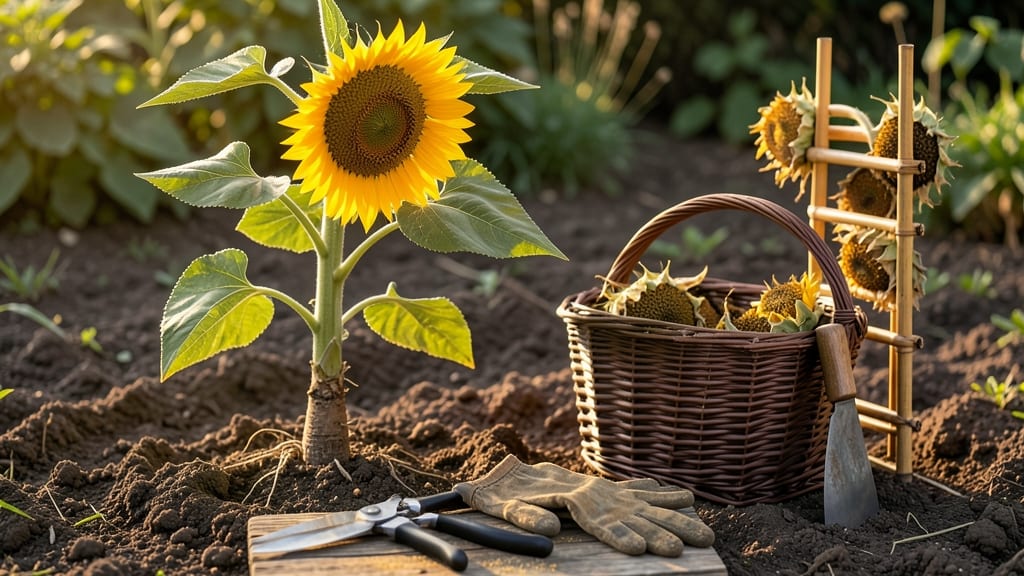
To tell when sunflower seeds are ready to harvest, watch for the back of the seed head turning brown and papery while the petals wilt—this is your golden window for perfect ripeness.
Picture this: you’ve nurtured your 🌻 sunflowers all season, and now the moment of truth arrives. Harvest too soon, and you’ll end up with bitter, underdeveloped seeds.
Wait too long, and they’ll scatter or spoil. The key? A simple back-of-hand snap test that reveals whether those seeds are ready to pick—or still need time.
Beyond the snap, there are other telltale signs: dried petals, a hollow sound when shaken, and seeds that easily separate from the head. These visual and physical cues ensure you don’t miss the ideal harvest window between July and October in USDA Zone 6a.
In this guide, I’ll walk you through every step—from the snap test to storage tips—to guarantee you collect the sweetest, most flavorful seeds for cooking, bird feeders, or next year’s garden.


The back-of-hand snap test: most reliable way to Check sunflower seed ripeness
Sunflowers reach their peak beauty when in full bloom, but the real treasure lies in their seed ripeness. The back-of-hand snap test is the gold standard for determining when sunflower seeds are ready to harvest.
This simple yet scientific method helps you avoid the two biggest mistakes: harvesting too early (bitter, underdeveloped seeds) or too late (seeds that shatter or attract pests).
Why does this test work? The moisture content of sunflower seeds drops as they mature, making their shells brittle. When the seed head reaches the right dryness, a gentle snap against your hand signals perfect ripeness.
This method works best on confection sunflowers (like 'Russian Giant' or 'Autumn Beauty'), but even oil-type varieties respond well with practice.
Step-by-Step: The Perfect Snap Test
- 1 Wait for petals to wilt: Harvest only when the yellow petals have fully drooped and turned brown. Green petals mean seeds aren't ready.
- 2 Check the back of the head: The papery base (where the stem attaches) should turn tan or brown. A green base means seeds need more time.
- 3 Gently shake the head: Hold the stem and shake. If seeds rattle loudly inside, they're ready. No sound? Wait 1-2 more days.
- 4 Perform the snap test: Hold a seed head in one hand, place the back of your other hand against a seed, and press firmly. A clean snap means ripeness. A bend or squish means wait longer.
- 5 Harvest on a dry day: Cut the stem 2-3 inches from the base using clean shears. Hang heads upside down in a dry, dark place (like a garage) to finish drying for 1-2 weeks.
If your sunflower seeds don't snap cleanly, don't panic. Some oil-type varieties (like 'Mammoth' or 'SunGold') have thicker shells and may require an extra 3-5 days of drying before testing again. Always test multiple seeds from different heads—ripeness can vary even within the same plant.
Timing is everything with sunflowers. Harvesting too early means green, bitter seeds that won't store well, while waiting too long risks seed shatter or attraction to squirrels and birds. The snap test gives you a 5-day window of perfect ripeness—use it wisely!
For extra peace of mind, combine the snap test with visual checks like dry, brown petals and a lightweight seed head.
Pro tip: Mark your planting date and track days to maturity. Most sunflowers take 80-120 days to reach seed ripeness, but this varies by variety. For example, 'Teddy Bear' (a dwarf variety) matures in 60-70 days, while 'Russian Giant' can take up to 130 days.
Adjust your snap test schedule accordingly.
Once you master the snap test, you'll never second-guess sunflower harvest time again. This method works because it directly measures the moisture content of the seeds—the key factor in both taste and storage life.
Dry seeds store for months; damp seeds spoil quickly. For best results, harvest in the morning after dew dries to ensure seed heads are at their driest.
Remember: Patience pays off. If your seeds aren't snapping yet, give them another 24-48 hours of drying on the plant. Overripe seeds lose flavor and may crack open, so don't rush the process. With practice, you'll develop an instinct for the perfect snap—and a pantry full of homegrown sunflower seeds!
🌻
Additional signs of perfectly ripe sunflower seeds beyond the snap test
While the back-of-hand snap test is the gold standard, other visual and environmental cues confirm ripeness—especially for oil-type sunflowers or when testing feels unreliable. These secondary signs help you avoid harvesting too early or too late, ensuring maximum seed quality for your needs.
First, watch the petals—they should wilt completely and turn brown, often curling inward. This signals the plant is redirecting energy to seed maturation. Meanwhile, the seed head's back transitions from green to a straw-like brown, becoming papery to the touch. These color shifts indicate full maturity.
Environmental factors also play a role. Dry, warm weather accelerates ripening, while high humidity can delay it. If your area experiences consistent dry spells in late summer, seeds may ripen faster. Conversely, foggy or rainy conditions can prolong the process.
| Indicator | Ripe Condition | Not Ready Condition | Best For |
|---|---|---|---|
| Petal Color | Brown and wilted | Green or yellow, upright | All varieties |
| Seed Head Back | Dry, papery brown | Green or moist | Oil and confection types |
| Seed Rattle | Loud, clear rattle | Dull or no sound | Confection sunflowers |
| Environment | Dry, warm days | Humid or rainy | All climates |
The snap test works best for confection sunflowers (like 'Russian Giant'), but oil-type varieties (e.g., 'NuSun') often require additional confirmation. For these, focus on the seed head's dryness—if it feels lightweight when lifted, seeds are likely ready.
Oil sunflowers also benefit from shaking the head over paper; if seeds fall freely, they’re ripe.
Temperature fluctuations can trick gardeners into harvesting too soon. If nights stay cool (below 60°F), seeds may not ripen evenly. In such cases, wait until morning dew dries and the head feels completely dry to the touch. Patience here prevents bitter, underdeveloped seeds.
Finally, compare multiple heads on the same plant—some may ripen 1-2 weeks earlier than others. Harvest the earliest ones first, then monitor the rest.
For large varieties, use a pruning saw to cut stems cleanly, leaving 2-3 inches of stem to hang heads upside down for 1-2 weeks of additional drying.