
Blooming
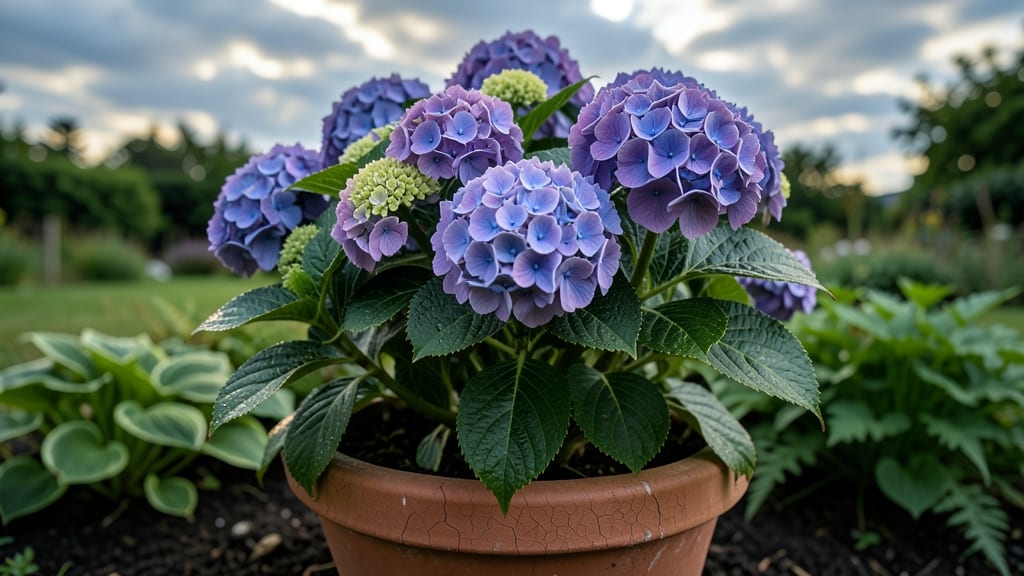
Hydrangea flower time depends entirely on when you prune—because the right cut shifts blooms from early summer to midsummer with surgical precision.
Want your hydrangeas to burst into color exactly when you want them to? The secret isn’t just about when you plant—it’s about strategic pruning that controls bloom windows with surgical precision.
A single late-summer trim can turn a June showstopper into a July spectacle, while an early-spring cut might delay blooms until August.
For USDA Zone 6a gardeners, timing matters even more: prune too early, and you risk frost damage to new growth; too late, and you miss the optimal window for vibrant blooms.
Most gardeners assume hydrangeas bloom on their own schedule, but the truth is far more flexible. Mophead varieties, for example, produce flowers on old wood (last year’s growth), while lacecaps bloom on new wood—meaning their pruning needs are completely opposite.
A misstep here can mean waiting months for color or, worse, no flowers at all. The good news? With a few simple adjustments, you can lock in your ideal bloom window—whether that’s a June wedding backdrop or a September porch display.
In this guide, I’ll break down the exact pruning calendar for your hydrangea type, the 3 critical mistakes that ruin bloom timing, and how to adjust for your local climate. By the end, you’ll know exactly when to wield those shears for perfectly timed blooms every season.
How pruning timing directly controls hydrangea flower time
Hydrangeas are famous for their stunning blooms, but the timing of your pruning determines whether they flower in early summer or midsummer. The key lies in understanding whether your hydrangea blooms on old wood (last year's growth) or new wood (current year's growth).
This distinction changes everything about when—and how—you prune.
For mophead hydrangeas (like 'Endless Summer'), which bloom on new wood, late-summer pruning encourages next year's flowers to form earlier. But for lacecap varieties (like 'Limelight'), which bloom on old wood, pruning too late can mean no flowers at all the following season.
Let's break down the science behind these timelines.
🌱 Did You Know? Pruning at the wrong time can delay blooms by up to 6 weeks or completely remove them. The difference between early June and mid-July blooms often comes down to a single pruning decision.
| Pruning Time | Hydrangea Type | Bloom Season | Climate Zone Adjustment | Key Pruning Tip |
|---|---|---|---|---|
| Late Summer (Aug-Sept) | Mophead (New Wood) | Early Summer (June) | Zones 6-9: Prune after first frost | Cut back 1/3 of stems to encourage new growth |
| Early Spring (Feb-Mar) | Lacecap (Old Wood) | Midsummer (July-Aug) | Zones 3-5: Wait until after last frost | Remove dead stems only—never cut live buds |
| Winter (Dec-Jan) | Both Types | Varies (Risk of No Blooms) | Zones 4-7: Prune only if necessary | Avoid heavy cuts—wait for spring warmth |
| Immediately After Blooming | Mophead (New Wood) | Extended Late Summer (Sept) | Zones 8-10: Prune after first frost | Deadhead spent blooms to prolong season |
The science behind this timing is all about bud formation. When you prune mophead hydrangeas in late summer, you stimulate new growth that will bloom the following year—typically in early June.
This is because the plant interprets the pruning as a signal to rejuvenate and produce fresh stems for next season's flowers.
For lacecap hydrangeas, the story is different. These varieties rely on old wood buds that form in the previous growing season. Pruning them in late summer removes these buds, meaning no flowers the following year.
Instead, you must prune in early spring, right after the last frost, to avoid damaging the dormant buds that will bloom in midsummer.
Your climate zone also plays a crucial role. In warmer zones (8-10), late-summer pruning is safer because the plant has more time to harden off before winter. But in colder zones (3-5), pruning too late can leave stems vulnerable to freeze damage, delaying or preventing blooms entirely.
Always adjust your timing based on your last frost date.
If you're unsure whether your hydrangea is a mophead or lacecap, check the flower shape and leaf structure. Mopheads have large, rounded blooms with flat tops, while lacecaps have flatter clusters with smaller flowers.
This visual clue will guide your pruning strategy and ensure you never prune at the wrong time.
For maximum control, mark your calendar with two key dates: late August for mopheads and early March for lacecaps. This gives you a 6-week window to adjust your pruning based on weather forecasts and plant health.
A little planning now means vibrant blooms exactly when you want them.
Pro tip: Use
Exact pruning calendar for year-round bloom control
Your hydrangea’s bloom time isn’t set in stone—it’s a direct result of when you prune. For old wood bloomers (like mopheads), pruning too early means no flowers that year. For new wood bloomers (like lacecaps), late pruning encourages bigger blooms.
The key is matching your cuts to your desired bloom window, whether that’s early summer weddings or late-season porch displays.
In USDA Zone 6a, where winters can damage tender growth, timing becomes even more critical. Prune at the wrong time, and you risk frost damage to new shoots or missed bloom cycles.
The solution? A month-by-month pruning calendar tailored to your hydrangea type, plus winter protection strategies to safeguard next year’s flowers.
- January-February: Prune new wood bloomers (lacecaps) to shape. Old wood bloomers (mopheads) get NO pruning—wait for buds to appear!
- March: Light pruning for old wood to remove dead wood. New wood varieties can be trimmed back by 1/3 to encourage bushiness.
- April: Critical window for old wood pruning—cut right after blooms fade (late summer/fall of previous year). New wood can be pruned now for summer blooms.
- May-June: Deadhead spent blooms on old wood types. For new wood, prune lightly to redirect energy to new growth.
- July-August: Shape lacecaps after blooming. Mopheads get NO pruning—buds are already set for next year!
- September-October: Prune new wood varieties to encourage next year’s blooms. Old wood types get minimal trimming to avoid disturbing buds.
- November-December: Winter protection for cold climates: wrap young plants in burlap or mulch heavily. Avoid heavy pruning—buds are forming!
For old wood bloomers, the late summer/fall is your only pruning window—cutting back in winter or spring removes next year’s flowers. Think of it like planning ahead: if you want June blooms, prune in August of the previous year.
Meanwhile, new wood bloomers thrive on late winter/early spring pruning, which gives them time to grow fresh stems for summer flowers.
In cold climates, protect your hydrangeas with mulch (3-4 inches) around the base and burlap wraps for young plants. This shields dormant buds from freezing temperatures, ensuring they’re ready to burst into color when spring arrives.
Even in Zone 6a, a little extra care can shift your bloom time by 2-4 weeks—just by adjusting when you prune.
Pro tip: Mark your calendar with two key dates—the last frost date (for new wood pruning) and the late summer (for old wood pruning). Stick to this schedule, and you’ll have hydrangeas in bloom exactly when you want them, year after year.