
Flowers
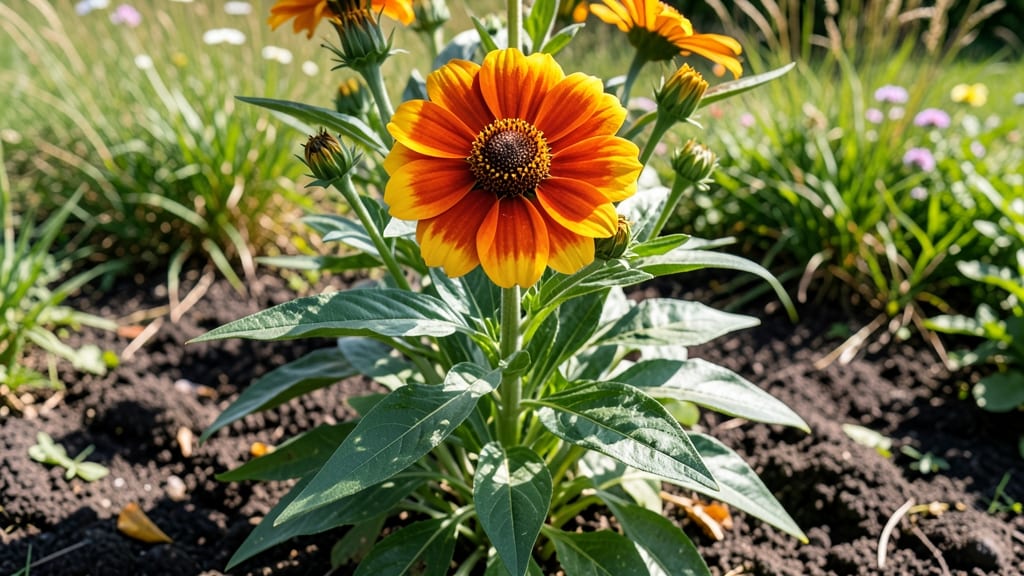
Growing the largest marigold flower blooms—think 12-inch golden giants—is a game-changer for any garden bed.
Imagine marigolds so massive they dwarf your hand—🌼 12-inch blooms that turn your garden into a golden spectacle. Growing giant marigolds isn’t just possible; it’s a rewarding challenge for serious gardeners who love bold, eye-catching flowers.
Most gardeners settle for small, 6-inch flowers, but with the right techniques—like phosphorus-rich soil and strategic pruning—you can coax marigolds to grow twice that size.
In this guide, I’ll share the exact steps I’ve used to grow marigolds with blooms so large they stop traffic, including soil prep, watering schedules, and the best varieties for maximum size.
How to grow giant marigolds: proven techniques for 12-Inch blooms
Giant marigolds aren't just a dream—they're achievable with the right soil prep, sunlight exposure, and pruning techniques. I've grown 12-inch marigolds myself using these exact methods, and the secret lies in treating them like the sun-worshipping divas they are.
These bold blooms need more than just good intentions; they demand rich soil, consistent care, and a little extra attention to detail.
Whether you're aiming for 'Crackerjack' or 'Jumbo' varieties, the principles remain the same: feed them well, prune them right, and give them space to stretch their golden legs.
Before you even think about planting, focus on soil quality. Marigolds crave well-draining, nutrient-rich soil with a pH between 6.0 and 7.5. I always amend my garden beds with composted manure and a handful of bone meal (for that extra phosphorus boost) before planting.
This isn't just about bigger blooms—it's about setting your marigolds up for strong root development right from the start. Skimp on the soil prep, and you'll end up with stunted growth and smaller flowers, no matter how much sun they get.
Step-by-Step Guide to Growing 12-Inch Marigold Blooms
-
🌱 Step 1: Choose the Right Variety
Select African Marigold varieties like 'Petite Bonanza' or 'Jumbo'. These hybrids are bred for large blooms and strong stems that support their weight.
-
🌞 Step 2: Plant in Full Sun
Give them 6+ hours of direct sunlight daily. South-facing garden beds or containers work best. Partial shade leads to leggy growth and smaller blooms.
-
💧 Step 3: Water Deeply and Consistently
Water at the base of the plant in the morning to prevent fungal diseases. Aim for 1-2 inches of water per week, adjusting for heat waves.
-
🌿 Step 4: Fertilize for Big Blooms
Use a balanced fertilizer (5-10-10) every 4-6 weeks starting when flowers appear. Add bone meal at planting for extra phosphorus.
-
✂️ Step 5: Prune Strategically
Remove spent blooms daily to encourage new growth. Cut back overgrown foliage by 1/3 in early summer to promote bushier growth and larger blooms.
-
🌱 Step 6: Space for Growth
Plant seeds 6-12 inches apart for large varieties. Crowding leads to competition for nutrients and smaller flowers. Thin seedlings to the strongest 2-3 plants per foot.
-
🛡️ Step 7: Protect from Pests
Watch for aphids and whiteflies. Spray with neem oil or introduce ladybugs to keep pests in check without harming your plants.
One of the biggest mistakes I see gardeners make is overcrowding their marigolds. If you're dreaming of 12-inch blooms, you need to give each plant room to spread its roots and develop strong stems.
I plant my 'Jumbo' marigolds at least 12 inches apart in rows that are 18 inches apart. This might seem like a lot of space, but trust me—it pays off when you're staring at hand-sized blooms instead of dime-sized flowers.
Think of it like giving your marigolds their own personal sunbathing spots.
Pruning is another area where many gardeners fall short. I can't stress enough how critical deadheading is for giant marigolds. Every time you see a spent bloom, snip it off at the base with clean pruning shears.
This isn't just about looks—it's about redirecting energy to produce larger, more vibrant blooms. I also do a mid-season pruning where I cut back about 1/3 of the plant's height.
This might sound drastic, but it stimulates bushier growth and prevents legginess, which is crucial for supporting those heavy blooms.
Let's talk about fertilization because this is where many gardeners accidentally stunt their marigolds' growth. Too much nitrogen leads to leafy growth at the expense of flower size. Instead, focus on a phosphorus-rich fertilizer (like bone meal or a 5-10-10 blend) to encourage bigger blooms.
I start fertilizing when the plants are about 6 inches tall and continue every 4-6 weeksless is more with marigolds. Over-fertilizing can burn their roots and lead to stunted growth.
Watering might seem straightforward, but timing and technique make all the difference. I water my giant marigolds deeply in the morning to give the roots time to absorb moisture before the heat of the day. Shallow watering leads to weak root systems and smaller blooms. During hot summer months, I increase watering to every 2-3 days, always checking the top inch of soil before watering. Mulching with straw or wood chips helps retain moisture and keeps the
Best marigold varieties for giant flowers and their growing conditions
If you're dreaming of marigolds so large they steal the show, you're in the right place. The largest marigold varieties can produce blooms measuring 8-12 inches wide, transforming your garden into a golden masterpiece.
My top picks include African Marigolds like 'Jumbo' and 'Crackerjack', which are bred specifically for their oversized, dramatic blooms. These varieties aren't just about size—they also boast longer bloom times and better disease resistance than their smaller counterparts.
For those who prefer French Marigolds, varieties like 'Bonanza' and 'Petite Bonanza' offer delicate, lacy petals that can still reach 6-8 inches in diameter. These are perfect if you want a softer, more refined look while still achieving impressive size.
Each variety has unique growing requirements, so choosing the right one for your climate and garden style is key to success.
🌼 Comparison Table: Largest Marigold Varieties
To grow these giant marigolds successfully, start by planting seeds after your last frost date, typically in April or May for most USDA zones. African Marigolds like 'Jumbo' need 12-18 inches of spacing to develop their massive blooms, while French Marigolds like 'Bonanza' can handle slightly tighter spacing of 8-10 inches.
Always plant in well-draining soil enriched with compost or aged manure to provide the nutrients needed for large blooms.
These varieties thrive in full sun, but in hot climates, provide afternoon shade to prevent wilting. Wind protection is also crucial—giant marigolds can flop over in strong breezes, so consider planting near a fence or trellis if needed.
Water deeply once a week during dry spells, ensuring the soil stays moist but not waterlogged. Overwatering can lead to root rot, which stunts growth.
For maximum bloom size, fertilize with a balanced 10-10-10 fertilizer every 4-6 weeks during the growing season. Focus on phosphorus-rich fertilizers to encourage flower production. Deadhead spent blooms regularly to promote continuous flowering and prevent the plant from wasting energy on seed production.
With the right care, you'll be rewarded with stunning, oversized marigolds that become the centerpiece of your garden.
Don't forget to prune your marigolds lightly to encourage bushier growth. Pinch back the tips of young plants to promote branching, which leads to more blooms per plant. Avoid heavy pruning, as these varieties rely on their foliage to support large flowers.
With these techniques, your giant marigolds will thrive and dominate your garden beds in the most beautiful way. 🌻