
Flowers
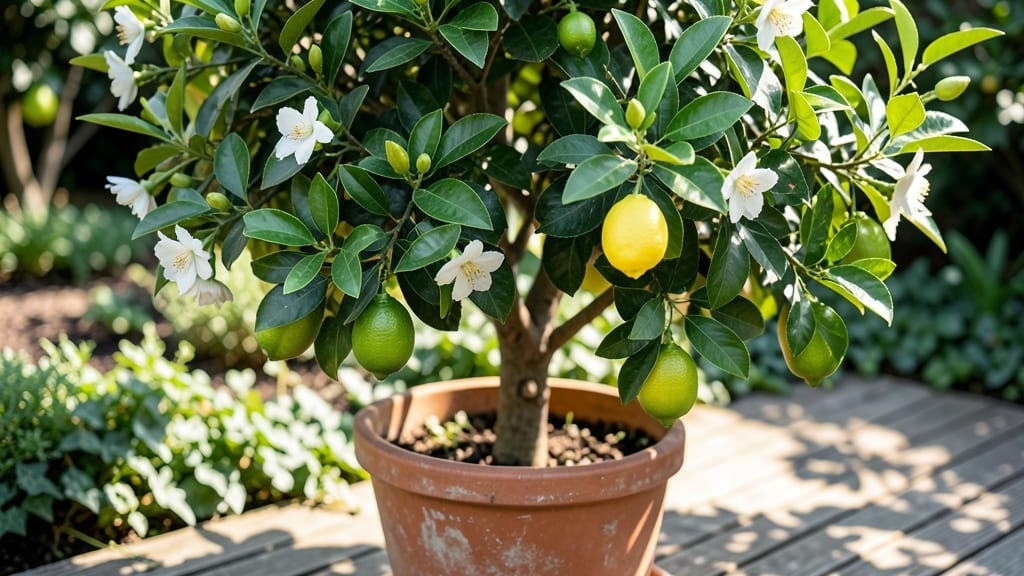
Turning your lemon tree’s flowers into fruit is all about understanding the lemon tree flower-to-fruit process—and a few key tricks to make it happen reliably.
Did you know your lemon tree’s stunning white blossoms could be wasting potential if pollination isn’t optimized? Mastering this process unlocks the secret to bountiful harvests, but many growers miss the critical steps that turn blooms into lemons.
From attracting the right pollinators to adjusting care during fruit set, small tweaks make a huge difference. In this guide, I’ll walk you through each stage—what’s happening in the tree, how to troubleshoot common issues, and exactly when to intervene for the best results.
Whether you’re dealing with poor fruit set or wondering why some blossoms drop early, you’ll learn proven techniques to maximize your harvest, even in less-than-perfect conditions.
The lemon tree flower-to-fruit process: stages and science behind pollination
Watching your lemon tree bloom is magical, but did you know only about 10-20% of those delicate white flowers naturally develop into fruit? The lemon tree flower-to-fruit process is a fascinating dance between science and nature.
Understanding these 4 key stages—from bloom to harvest-ready lemon—helps you optimize fruit production. Let’s break down how pollination works and what environmental factors can make or break your citrus harvest.
The journey begins when your lemon tree produces those fragrant, 5-petaled white flowers in late winter or early spring. Each flower contains both male and female reproductive parts, but they’re self-pollinating only about 30% of the time. This is where nature’s helpers—like bees and butterflies—play a crucial role.
Without proper pollination, those blooms will fall off, leaving you with no fruit to harvest. The good news? You can give your tree a helping hand with the right techniques.
| Stage | Key Process | Critical Factors | Timeframe |
|---|---|---|---|
| 1. Flower Development | Bud opens into white, fragrant blooms with male and female parts | Temperature: 65-85°F, Humidity: 50-70% | 2-3 weeks |
| 2. Pollination | Transfer of pollen from male to female parts (via bees, wind, or manual methods) | Bee activity, Sunlight: 6+ hours, Wind: Light breeze | 1-2 days |
| 3. Fruit Set | Fertilized ovules develop into small green fruit; petals drop | Water: Consistent moisture, Fertilizer: Low nitrogen | 2-4 weeks |
| 4. Fruit Growth | Fruit expands from marble-sized to harvest-ready lemon | Sunlight: Full sun, Temperature: 70-90°F, Humidity: 40-60% | 4-6 months |
The first stage, flower development, sets the foundation for your harvest. Your lemon tree’s blooms appear in clusters after a period of cool winter temperatures (ideally between 50-65°F at night). If your tree experiences unusually warm winter nights, it may produce fewer flowers.
This is why many gardeners in warm climates see heavy blooming in late winter—it mimics the natural cool-down period citrus trees need to trigger flowering.
Once the flowers open, pollination becomes critical. Lemon trees are self-compatible, meaning a single tree can pollinate itself, but it relies heavily on outside help. Bees are the superstars here, transferring pollen from flower to flower.
However, if your tree is indoors or in an area with low bee activity, you’ll need to step in. Even a gentle breeze can help, but it’s far less effective than bees. The best time for natural pollination is on warm, sunny days when bees are most active.
After successful pollination, the fruit set stage begins. This is when fertilized ovules develop into tiny green fruits, and petals fall off. Here’s where many gardeners face challenges: over-fertilization with nitrogen can lead to excessive leaf growth at the expense of fruit development.
During this phase, focus on balanced fertilization (like a 6-6-6 or 8-3-9 citrus blend) and consistent watering. Too much water or drought stress can cause fruit drop, so aim for 1-2 inches of water per week.
The final stage, fruit growth, is where your lemons go from marble-sized to harvest-ready. This process takes 4-6 months and requires optimal growing conditions. Your tree needs full sun exposure (6+ hours daily) to develop sweet, flavorful fruit.
If lemons stay small or remain green, it’s often a sign of inadequate sunlight or nutrient deficiencies. During this stage, lemons will go through color changes—from green to yellow—signaling they’re nearly ready to pick.
A mature lemon tree can produce hundreds of lemons per season if all conditions are met!
Environmental factors play a huge role in each stage. For example, high humidity (above 70%) during pollination can reduce bee activity, while low humidity (below 40%) during fruit growth may cause lemons to develop a tough skin. Temperature also matters: below 60°F or above 95°F can stunt fruit development.
If you’re growing your lemon tree in a container, ensure it’s large enough (at least 15-gallon pot) to support root growth and fruit production.
One common misconception is that you need two lemon trees for pollination. While it can improve fruit set, a single tree can produce fruit on its own. However, if you want to maximize your harvest, planting two varieties (like 'Eureka' and 'Meyer') nearby can increase cross-pollination and overall yield.
Just remember, even with two trees, you may still need to assist with pollination if bees aren’t visiting regularly.
By understanding these stages and tweaking environmental conditions, you can turn those beautiful blooms into a bountiful lemon harvest. Keep an eye
How to boost lemon tree fruit set: natural and manual pollination techniques
Your lemon tree may produce beautiful white blossoms, but without proper pollination, those flowers won’t develop into sweet, juicy lemons. The good news? You can take control of the process with these natural and manual techniques to maximize fruit set.
Whether you're dealing with a potted lemon tree or an in-ground citrus, these methods will help turn those blooms into a bountiful harvest.
First, understand that lemon trees rely on pollinators like bees to transfer pollen from flower to flower. However, indoor trees or those in areas with low bee activity may need a little extra help.
By combining natural pollination strategies with manual intervention, you can significantly improve your tree’s fruit production. Let’s dive into the most effective techniques to boost your lemon tree’s success.
Attract Native Bees and Pollinators
Plant bee-friendly flowers like lavender, marigolds, or basil near your lemon tree to lure pollinators. Avoid pesticides, which can harm bees and reduce their activity.
Hand-Pollinate Flowers
Use a soft paintbrush or cotton swab to transfer pollen from one flower’s stamens to another’s pistil. Do this on mild, dry days when flowers are fully open.
Thin Overcrowded Fruit
Remove excess fruit when small to ensure remaining lemons get enough nutrients. Aim for 6-8 inches between fruits to avoid competition.
Optimize Environmental Conditions
Ensure your tree gets full sun (6+ hours), consistent watering, and warm temperatures (70-85°F) during flowering. Stress can cause blossom drop.
Use Citrus-Specific Fertilizer
Apply a balanced citrus fertilizer (e.g., 6-6-6 or 8-3-9) during blooming season to support flower and fruit development.
If your lemon tree isn’t producing fruit despite healthy blooms, it’s likely due to poor pollination. Start by attracting pollinators like bees and butterflies. Plant native flowers nearby, such as lavender, marigolds, or basil, which are known to draw beneficial insects.
Avoid using chemical pesticides, as they can kill pollinators and disrupt the natural process.
For indoor lemon trees or those in areas with limited bee activity, manual pollination is your best bet. On a dry, sunny morning, use a soft paintbrush or cotton swab to gently transfer pollen from one flower to another.
Focus on fully open blossoms to maximize success. Repeat this process every 2-3 days during the flowering season for the best results.
Once fruit begins to set, monitor your tree closely. If you notice overcrowded fruit, thin them out by removing smaller or weaker lemons. This ensures the remaining fruit gets enough nutrients and sunlight to grow properly.
Aim to leave 6-8 inches of space between each lemon to prevent competition and improve overall quality.
Finally, pay attention to your tree’s environmental conditions. Lemon trees thrive in full sun (6+ hours daily) and prefer warm temperatures (70-85°F) during flowering. Ensure your tree is well-watered but not soggy, as stress from underwatering or overwatering can lead to blossom drop.
A citrus-specific fertilizer applied during the blooming season will also give your tree the nutrients it needs to produce healthy fruit.
With these natural and manual pollination techniques, you’ll be well on your way to a bountiful lemon harvest. Keep an eye on your tree, adjust care as needed, and enjoy the sweet reward of homegrown lemons! 🌱🍋