
Blooming
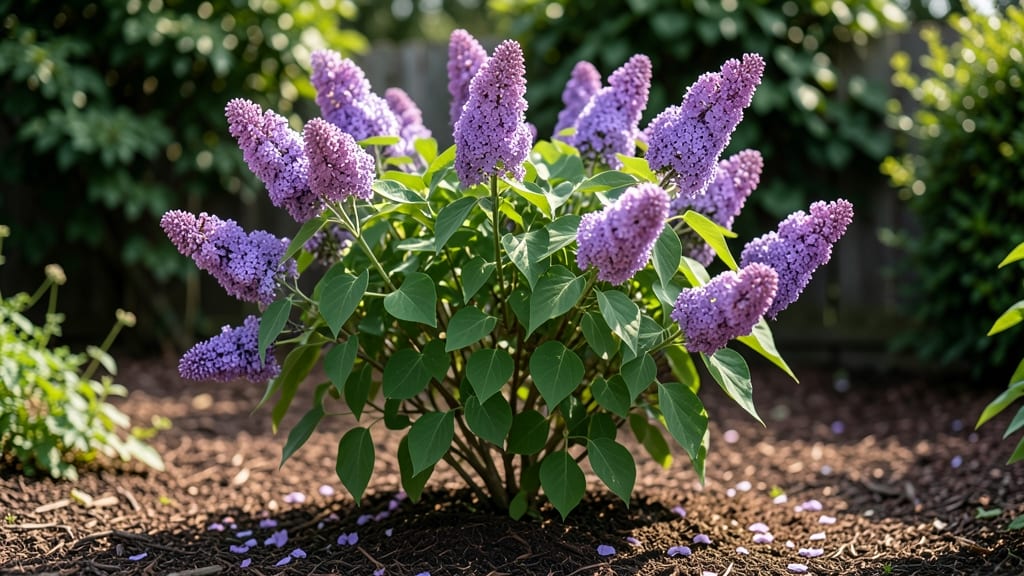
Lilacs bloom in spring, but the exact flowering time depends on your variety and USDA zone — and getting it right means the difference between a showstopper garden and one that misses its prime.
If you’ve ever wondered why your lilacs bloom in May while your neighbor’s burst into color in April, the answer lies in their variety and USDA zone — two critical factors that determine lilac flowering time.
In Zone 6a, where lilacs thrive, early bloomers like 'Katherine Havemeyer' often start in late April, while late varieties may not peak until early June. Meanwhile, cooler northern zones push blooms back by weeks, and southern climates can trigger earlier — sometimes even February — flowering.
Below, I break down the blooming windows for popular varieties, how to adjust care for your zone, and three simple pruning tricks to extend your lilacs’ show by up to two weeks.
Lilac flowering time by USDA Zone: when to expect blooms
Understanding lilac flowering time depends on two key factors: your USDA zone and the specific variety you're growing. Lilacs are famous for their fragrant blooms in spring, but timing varies dramatically.
In Zone 3, early bloomers may appear as soon as late April, while Zone 9 gardeners might see flowers as late as June. The right information helps you plan pruning, planting companions, and even when to expect those signature purple perfumes to fill your garden.
Most lilacs bloom in late spring, but some varieties push boundaries—like the early bloomers that emerge in April or the late-season varieties that linger into June. Your local climate also plays a role, with cooler zones often seeing blooms 2-3 weeks earlier than warmer regions.
For example, a Zone 5 lilac might flower in early May, while the same variety in Zone 7 could wait until mid-May.
Here’s a quick guide to help you predict when your lilacs will burst into color based on your zone and variety:
If you’re in Zone 3 or 4, focus on early blooming varieties like 'Purple Plume' to avoid late spring frosts. These lilacs often flower by late April, giving you a head start on fragrance and color.
In Zones 5-6, varieties like 'Katherine Havemeyer' shine in mid-May, aligning perfectly with traditional spring gardens. Meanwhile, gardeners in Zones 7-9 can enjoy extended blooming seasons with late varieties like 'Lilac Beauty,' which often lasts until mid-June.
Climate adjustments are key. For example, in Zone 5, a cold snap in April might delay blooms by 1-2 weeks, while a mild winter could push early varieties to flower even sooner.
Similarly, Zone 9 gardeners should choose heat-tolerant varieties like 'Harmony' to prevent bud drop in hot weather. Always monitor your local frost dates—planting early bloomers too late in the season can risk frost damage to delicate buds.
Pro tip: Pair your lilacs with companion plants that bloom at different times. For example, plant daffodils in early spring to precede your lilacs, then add peonies for a mid-summer follow-up.
This creates a continuous blooming display that keeps your garden vibrant from April through July. Just ensure all companions share similar sun and soil requirements to avoid competition.
Pruning also impacts flowering time. If you prune after blooming, you encourage next year’s flowers to form earlier. However, avoid heavy pruning in late summer or fall, as this can delay or reduce blooms.
For late-season varieties, a light pruning in early spring is often sufficient to maintain shape without disrupting their natural timeline.
Remember, soil health plays a role too. Lilacs prefer well-draining, slightly alkaline soil (pH 6.5-7.5). Amend your soil with compost or lime if needed, and mulch around the base to retain moisture. Well-fed
Top 5 lilac varieties ranked by flowering time and fragrance
Choosing the right lilac variety can transform your garden's spring display. Some burst into bloom as early as late April, while others wait until June. The difference often comes down to their genetic heritage and climate adaptation.
For example, French hybrids like 'Mme. Lemoine' typically bloom earlier than their American counterparts, while Korean lilacs often flower later but with intense fragrance.
Fragrance plays a crucial role too. Some varieties fill the air with heavy sweetness, while others offer subtle herbal notes. Your USDA zone also matters—Zone 4 gardeners might need hardier varieties than those in Zone 8.
Let's explore the top 5 varieties that balance blooming time, scent intensity, and regional suitability.
'Katherine Havemeyer' tops our list as the earliest bloomer, often opening its lavender-pink flowers by late April in Zone 5. This French hybrid boasts exceptional fragrance—often rated 9/10 for intensity—and thrives in full sun.
Its compact size (6-8 feet) makes it perfect for foundation plantings or small gardens.
'Mme. Lemoine' follows closely, with blooms appearing in early May across most zones. Its deep purple flowers and heavy perfume (rated 8.5/10) make it a classic fragrant variety.
Unlike 'Katherine Havemeyer', it grows taller (8-12 feet), ideal for backyard borders. Both varieties prefer well-draining soil and regular pruning after flowering to maintain shape.
The 'Dwarf Korean' lilac offers a late-season surprise, blooming in June when many other varieties have faded. Its smaller stature (3-5 feet) and compact growth habit make it ideal for containers or rock gardens.
While its fragrance is moderate (7/10), its dark purple blooms provide extended color in the garden. This variety excels in cooler climates (Zones 3-6).
'Common Lilac' (Syringa vulgaris) serves as a mid-season anchor, blooming in May with light purple flowers that carry a mild sweet scent (6.5/10). Its tall stature (8-15 feet) makes it a statement plant in large gardens.
This variety is highly adaptable, thriving in Zones 3-7 with minimal care. For best results, plant it in full sun with regular watering during establishment.
'President Lincoln' rounds out our top 5 with early May blooms and pale purple flowers. Its moderate fragrance (7/10) and upright growth (6-8 feet) make it versatile for hedges or mixed borders.
This variety excels in warm climates (Zones 5-9) and benefits from annual pruning to remove old wood and encourage new growth.