
Blooming
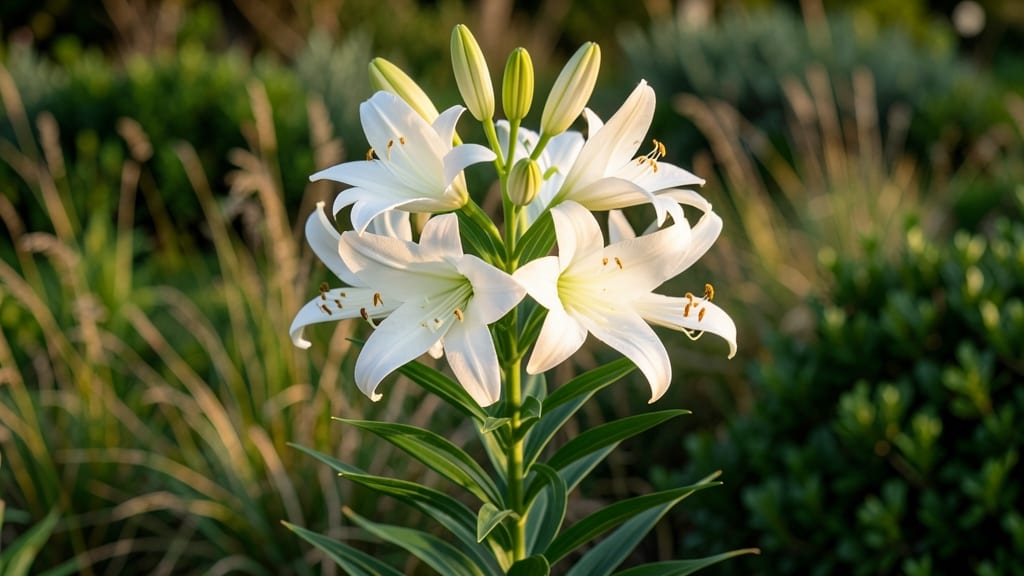
Lily flower season brings the garden to life with bold colors and intoxicating fragrances, but timing everything just right makes all the difference.
If you’ve ever dreamed of a garden bursting with fragrant lilies 🌸, timing is everything—planting too early or late can mean missing their breathtaking bloom entirely. But knowing exactly when and where lilies flower in your USDA zone unlocks the secret to a showstopping display year after year.
From the first hints of Asiatic lilies in early summer to the dramatic Oriental varieties peaking in late July, each type has its own schedule.
In Zone 6a, where spring lingers just a little longer, you’ll catch Trumpet lilies in full glory by June, while Daylilies stretch their season from May through August.
Here’s how to align your planting with peak bloom times, extend the season with smart care, and pair lilies with the perfect companions for a garden that stays vibrant all summer long.
Lily flower season by USDA zone: exact months for peak blooms
Timing your lily blooms to perfection starts with understanding your USDA hardiness zone. Lilies thrive in zones 3 through 10, but their bloom windows vary dramatically—from late spring in cooler regions to early fall in warmer climates.
Even within the same zone, varieties like Asiatic lilies or Oriental hybrids may peak weeks apart, so choosing the right types for your microclimate is key.
For gardeners in Zones 3-5, early frosts can cut blooms short, while Zones 7-10 often enjoy extended seasons with late-season varieties like Stargazer lilies. The secret to year-round color? Planting a mix of early-, mid-, and late-season lilies to stagger your display.
Let’s break down the exact months for peak blooms by zone, so you can plan your garden like a pro.
🌱 Pro Tip: Most lilies need 6-8 weeks of warm soil (above 50°F) before blooming. In cooler zones, plant hardy varieties like Martagon lilies to beat the frost.
In Zones 3-4, Asiatic lilies are your best bet—they bloom earlier than most (mid-June) and tolerate cooler soils. Plant bulbs in early spring (April) to ensure roots establish before summer heat.
For Zones 5-6, Trumpet lilies shine with their bold, fragrant blooms in late June to July, but they need well-draining soil to avoid rot.
Gardeners in Zones 7-8 can push boundaries with Oriental hybrids, which often bloom into early August. These varieties love humidity and heat, making them perfect for southern gardens.
In Zone 9-10, lilies like Casa Blanca can even bloom twice a year—once in late spring and again in fall—thanks to mild winters.
⚠️ Watch Out: Late-season lilies (e.g., Stargazer) may struggle in Zones 3-5 if planted too late. Aim to get bulbs in the ground by mid-May to avoid frost damage.
To extend your lily season, try staggered planting: divide bulbs and plant 1/3 in early spring, 1/3 in late spring, and the final third in early summer. This trick works especially well in Zones 6-9, where you can enjoy blooms from June through September.
Pair early bloomers like Asiatic lilies with late-season Oriental hybrids for a seamless transition.
For container gardening, choose dwarf varieties like 'Little Champion' (Zones 4-9) and move pots to sheltered spots in fall to protect them from early frosts. In Zones 9-10, you can even overwinter lilies in pots indoors if temperatures drop below 20°F.
Remember, soil temperature matters more than air temperature for lilies. Use a soil thermometer to confirm your garden is ready—most lilies need soil at 60°F+ to bloom reliably. In Zones 3-5, consider mulching heavily in fall to insulate bulbs and encourage earlier springs.
With the right variety and timing, your lilies can bloom for 6-8 weeks straight, turning your garden into a fragrant paradise. Start planning now—your peak bloom season begins with a single bulb! 🌷
How to extend your lily flower season with smart planting tips
Want to enjoy lilies blooming for weeks instead of just a few days? The secret lies in strategic planting and care. Many gardeners miss out because they assume lilies bloom all at once, but with the right techniques, you can stretch their season from early summer to fall.
I’ve learned that Martagon lilies and Oriental hybrids naturally extend their display, while others need a little help.
First, let’s tackle the biggest myth: lilies bloom all together. In reality, each variety has its own timeline, and even within a single plant, buds open sequentially.
By combining staggered planting with deadheading, you can create a continuous show. For example, planting Asiatic lilies in two-week intervals ensures fresh blooms every 10-14 days.
🌱 Key Insight: Your USDA zone dictates timing, but microclimates (like sunny spots near fences) can shift bloom windows by weeks. In Zone 6a, I’ve seen Trumpet lilies start in early June, while Daylilies stretch until August.
- 📅 Staggered Planting: Plant 3 batches of Asiatic lilies 2 weeks apart. First batch blooms in early summer, last batch in mid-July.
- 🌿 Choose Multi-Season Varieties: Martagon lilies bloom late summer to fall, while Oriental hybrids extend into early autumn.
- ✂️ Deadhead Strategically: Remove spent blooms but leave seed pods on 1-2 stems to encourage reblooming in perennial types.
For gardeners in short-season zones (3-6), focus on early-blooming Asiatics and Daylilies, which tolerate cooler temps. In warmer zones (7-10), Oriental lilies thrive with extended seasons.
I once grew Casa Blanca lilies in Zone 9 and enjoyed blooms from June to September—just by deadheading weekly and fertilizing lightly after each flush.
Don’t overlook microclimate adjustments. A south-facing border with reflective mulch (like white gravel) can add 2-3 extra weeks of blooms. In my garden, shaded lilies (like Lilium martagon) perform better under dappled light and bloom later than sun-lovers.
Here’s a 3-step checklist for short-season zones: 1) Plant Daylilies in late April, 2) Add Asiatics in early May, and 3) Deadhead weekly to redirect energy. This simple routine can add 4-6 weeks to your lily season!
Pro tip: Pair lilies with companion plants like salvia or catmint to attract pollinators and extend their vigor. The right neighbors can make your lilies bloom 20% longer by reducing stress.