
Mower
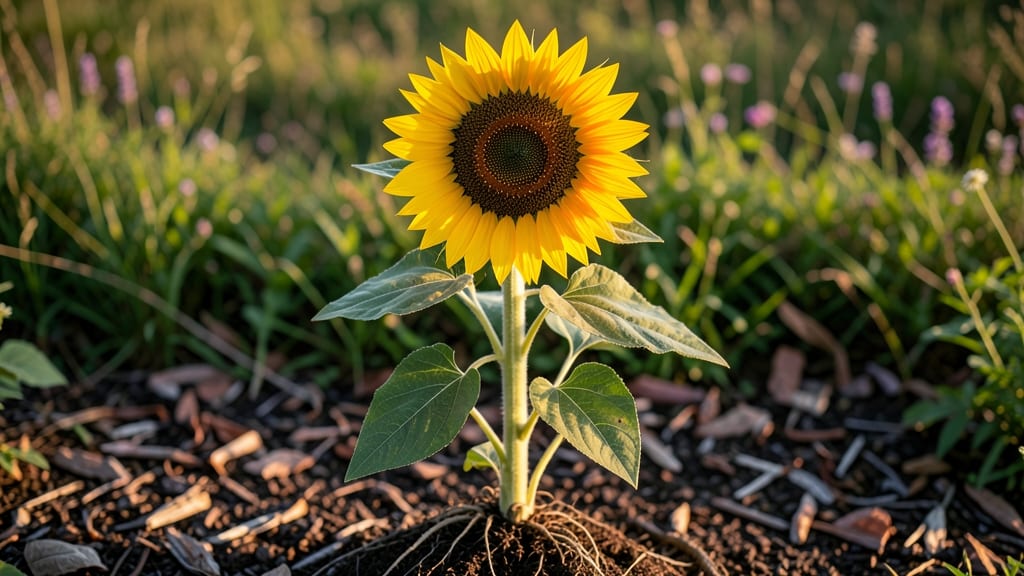
The Mexican sunflower’s height can reach up to 10 feet in a single season—making it one of the fastest-growing sunflowers for dramatic backyard displays.
If you’ve ever dreamed of towering sunflowers that turn heads in your garden, the Mexican sunflower (Tithonia rotundifolia) could be your perfect match. But how fast do they grow, and what factors influence their impressive height?
Unlike their shorter sunflower cousins, these giants shoot up in just 3-4 months under ideal conditions. With the right soil, sunlight, and care, you can coax them to their full 10-foot potential—or even taller in some cases.
In this guide, I’ll break down the science behind their rapid growth, share pro tips for maximizing height, and compare them to other sunflowers so you can decide if they’re right for your garden.

How fast Mexican sunflowers grow to 10 feet: month-by-month height progression
Watching a Mexican sunflower (Tithonia rotundifolia) shoot from a tiny seed to a towering 10-foot giant in just a few months is one of gardening’s most rewarding experiences.
Unlike their annual cousins, these sunflowers grow aggressively—especially in ideal conditions—and can reach half their mature height in the first 8 weeks alone. But their growth isn’t linear, and several factors determine whether they’ll hit that dramatic 10-foot ceiling or plateau at 6 feet.
The key to maximizing height lies in understanding their growth phases and how environmental conditions interact with each stage. From the first cotyledon leaves to the final bloom spikes, Mexican sunflowers follow a predictable (but flexible) timeline.
With the right care, you can push them to their full potential—even in a single growing season. Let’s explore how their height progresses month by month, along with the secrets to accelerating their growth.
| Growth Stage | Timeframe | Average Height | Key Growth Factors |
|---|---|---|---|
| Germination | Week 1-2 | 0-2 inches | Soil warmth (70°F+), consistent moisture |
| Seedling | Week 3-4 | 2-12 inches | Full sun exposure, nutrient-rich soil |
| Vegetative Growth | Week 5-8 | 1-3 feet | Weekly watering, balanced fertilizer |
| Rapid Elongation | Week 9-12 | 4-7 feet | Stake support, deep watering |
| Flowering | Week 13-16+ | 7-10 feet | Prune spent blooms, monitor pests |
In the first 2 weeks after germination, your Mexican sunflower will focus on developing its root system and first true leaves. This is when most gardeners see the slowest growth, but it’s also the most critical phase.
If your soil is too cold (below 60°F) or waterlogged, the seedling may struggle to break through the surface. Aim to plant seeds in well-draining soil after your last frost date, and keep the soil consistently moist but not soggy.
By week 3, you’ll notice the first true leaves (not the initial seed leaves) emerging, and the plant will start its upward climb. This is when you can introduce light fertilization (like a 5-10-10 blend) to encourage faster growth.
Without proper nutrients, the plant may grow leggy and weak, which slows its progress toward that 10-foot goal. I’ve found that adding a handful of compost to the planting hole gives seedlings a strong start.
Between weeks 5 and 8, your Mexican sunflower enters its vegetative growth phase, where it can gain up to 2 feet per week under ideal conditions. This is the stage where sunlight becomes non-negotiable—6+ hours of direct sun daily is essential.
If your garden is shady, consider moving pots to a sunnier spot or using a reflective surface (like a white wall) to bounce extra light onto the plants. During this phase, you’ll also see the first signs of bud formation, which signals the shift toward flowering.
The most dramatic growth spurt occurs between weeks 9 and 12, when your sunflower can add 3-5 feet in just 4 weeks. This rapid elongation is fueled by the plant’s need to reach sunlight and support its heavy flower heads.
To prevent toppling, I recommend staking your plants early—even if they’re not leaning yet. Use 3-foot bamboo stakes or a tomato cage and tie the stems loosely with soft plant ties. Over-tightening can restrict growth, so check the ties weekly.
By week 13, your Mexican sunflower should be in full flowering mode, with the first blooms opening at the top of the stem. This is when height growth slows slightly, as the plant redirects energy toward producing flowers.
However, if you’ve provided optimal care, you’ll see new buds forming lower on the stem, pushing the height even higher. The dark red centers of the blooms are a dead giveaway that your plant is thriving—and reaching its genetic potential.
One common misconception is that Mexican sunflowers stop growing once they start flowering. In reality, they can continue adding height until the first frost, especially in USDA zones 9-11.
In cooler climates, growth may stall in late summer, but with proper care, you can still coax them to 8-9 feet before the season ends. To extend the growing season, I’ve had success using row covers or moving potted plants to a sheltered location.
If your Mexican sunflower isn’t hitting its 10-foot target, don’t panic—there are often simple fixes. Underwatering or nutrient deficiencies can stunt growth, as can overcrowding (space plants 18-24 inches apart).
I’ve also noticed that plants grown in containers tend to grow slightly shorter unless the pot is at least 12 inches deep and 18 inches wide. For
5 Key factors that determine Mexican sunflower height (and how to optimize them)
The height of your Mexican sunflower depends on five critical factors: soil quality, sunlight exposure, watering habits, pruning techniques, and nutrient availability.
Each plays a role in whether your plant reaches its 10-foot potential or stays shorter. Let’s dive into how to optimize each for maximum growth.
First, soil drainage is non-negotiable. Mexican sunflowers hate soggy roots, which can stunt growth or even kill the plant. Amend your soil with compost or sand to ensure it drains well while retaining moisture. A pH between 6.0-7.0 is ideal—test your soil and adjust with lime or sulfur if needed.
Next, sunlight exposure is the fuel for rapid growth. These sunflowers thrive in full sun (6+ hours daily). Without enough light, stems grow leggy and weak, reducing height. Place them in the sunniest spot in your garden, like a south-facing border or near a fence for support.
Watering is another game-changer. Mexican sunflowers are drought-tolerant but grow best with consistent moisture. Water deeply 1-2 times weekly, soaking the soil to a depth of 6-8 inches.
Avoid shallow watering, which encourages weak roots and shorter stems. Mulch around the base to retain moisture and suppress weeds.
Pruning might seem counterintuitive for height, but it’s essential. Remove spent blooms regularly to redirect the plant’s energy toward stem elongation rather than seed production. Avoid heavy pruning mid-season, as this can slow growth. Instead, focus on light trimming to maintain an upright form.
Finally, fertilizer boosts growth when used correctly. A balanced 5-10-10 fertilizer applied every 4-6 weeks during the growing season provides the nitrogen, phosphorus, and potassium needed for rapid height gains. Over-fertilizing can lead to excessive foliage at the expense of stem growth, so follow the recommended dosage.
By mastering these five factors, you’ll give your Mexican sunflower the best chance to reach its 10-foot height—or even surpass it! Start with well-draining soil, full sun, and consistent care for the most dramatic results in your garden. 🌻