
How To
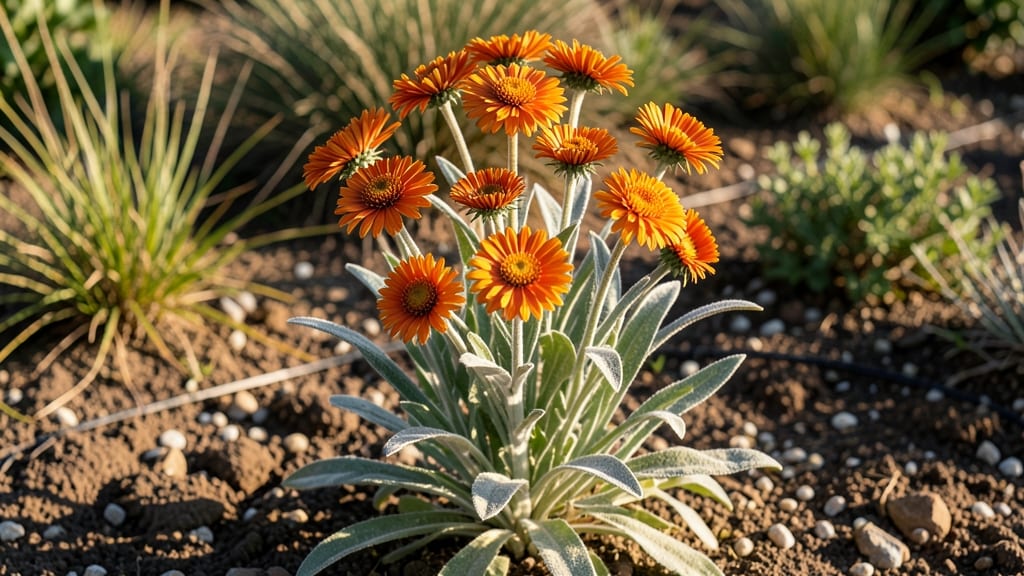
How tall does strawflower grow? The answer varies wildly—from 12 inches to over 4 feet, depending on the variety and how you grow them—so the right choice makes all the difference for your garden or containers.
Picture this: a tiny strawflower spilling over a patio pot, its papery blooms brushing your knees, or a towering 4-foot specimen in your cut-flower garden, its stems heavy with bouquets. The same plant family delivers both, which means you can tailor your strawflower’s height to your space—and your vision.
Some varieties stay compact, perfect for window boxes or fairy gardens, while others stretch skyward, ideal for back borders or floral arrangements. The key? Picking the right type and giving it the right conditions—like sunlight, soil, and a little pruning know-how—to hit your target height.
Below, I’ll break down the height ranges of the most popular strawflower types, how to control their growth naturally, and the best uses for each size—so you can grow the perfect strawflower for your needs.


Strawflower height by variety: from dwarf to giant types
If you’re dreaming of a strawflower garden that fits your space perfectly, knowing the height range of each variety is key. From tiny tabletop plants to towering floral statements, strawflowers (Helichrysum bracteatum) offer something for every garden style.
The height you’ll achieve depends on the variety you choose, as well as how you care for them. Let’s explore the spectrum—from dwarf varieties ideal for containers to giant types perfect for cut flower arrangements.
Most gardeners assume all strawflowers reach the same height, but the truth is far more exciting. Some varieties stay under 12 inches, making them perfect for windowsills and patio pots, while others shoot up to 4 feet, creating dramatic backdrops in your garden.
Understanding these differences helps you plan your garden layout and choose the right varieties for your goals—whether it’s borders, containers, or cut flower bouquets.
Here’s the breakdown of strawflower heights by variety, including their scientific names, common names, and best uses. This will help you pick the perfect fit for your garden’s design and your gardening style.
| Variety | Height Range | Best Uses | Notes |
|---|---|---|---|
| ‘Dwarf Delight’ (Helichrysum bracteatum) | 6–12 inches | Containers, window boxes, fairy gardens | Compact, bushy habit; ideal for small spaces |
| ‘Mini Moon’ (Helichrysum bracteatum) | 8–10 inches | Patio pots, hanging baskets, borders | Soft, velvety petals; great for cottage gardens |
| ‘Moonwalker’ (Helichrysum bracteatum) | 12–18 inches | Cut flowers, mixed borders, containers | Long-lasting blooms; drought-tolerant |
| ‘Limelight’ (Helichrysum bracteatum) | 18–24 inches | Back of borders, cut flower arrangements | Bright lime-green bracts; attracts pollinators |
| ‘Midnight’ (Helichrysum bracteatum) | 24–30 inches | Dramatic focal points, cut flowers | Deep purple-black blooms; stunning in arrangements |
| ‘Giant Moon’ (Helichrysum bracteatum) | 3–4 feet | Cut flower farms, large garden backdrops | Tallest variety; needs staking for support |
For container gardening, the dwarf varieties like ‘Dwarf Delight’ and ‘Mini Moon’ are my top picks. They stay under 12 inches, making them perfect for patio pots, window boxes, and fairy gardens.
These varieties thrive in well-draining soil and full sun, so place them where they’ll get at least 6 hours of sunlight daily. Their compact size also means they’re less likely to flop or need support, which is a huge plus for busy gardeners.
If you’re designing a border garden, mid-sized varieties like ‘Moonwalker’ and ‘Limelight’ are ideal. They reach 18–24 inches, providing a medium-height backdrop that adds texture and color. These varieties are also excellent for cut flower arrangements because their stems are sturdy enough to hold up in bouquets.
For a dramatic focal point, consider ‘Midnight’ or ‘Giant Moon,’ which can reach up to 4 feet tall. These towering varieties are perfect for cut flower farms or as a stunning backdrop in large gardens.
One of the biggest mistakes I see gardeners make is assuming all strawflowers will grow to the same height. In reality, the variety you choose plays a huge role in how tall your plants will become.
For example, ‘Dwarf Delight’ might only reach 8 inches in a container garden, while ‘Giant Moon’ can easily top 3 feet in ideal conditions. To get the most out of your strawflowers, always check the height range of the variety you’re planting and adjust your garden plan accordingly.
For cut flower enthusiasts, taller varieties like ‘Midnight’ and ‘Giant Moon’ are game-changers. Their long, sturdy stems make them perfect for long-lasting bouquets, and their dramatic heights add a wow factor to any arrangement.
To encourage taller growth, I recommend planting these varieties in well-draining soil with plenty of organic matter and providing support stakes early in their growth phase. This helps prevent flopping and ensures you get the maximum height potential.
How to control strawflower height naturally (pruning, pinching, and support)
Want to keep your strawflowers compact for containers or encourage taller stems for bouquets? The secret lies in timing, technique, and support.
Strawflowers naturally grow between 12 inches and 4 feet, but with a few strategic moves, you can shape their growth to fit your space or design needs. Whether you're aiming for a bushy border plant or long-stemmed cut flowers, these methods will help you take control.
First, understand that strawflowers grow best in full sun (6+ hours daily) and well-draining soil. If you're starting with seedlings, their early growth habits set the stage for their mature height.
For instance, dwarf varieties like 'Little Dorothy' stay under 12 inches, while taller types like 'Moulin Rouge' can reach 36 inches or more without intervention. The key is to intervene early to guide their growth direction.
Here’s how to shape your strawflowers naturally, using proven techniques that work for both garden beds and containers:
When seedlings reach 4–6 inches tall, pinch off the top set of leaves to encourage branching. This creates a bushier plant with multiple stems, ideal for containers or borders.
For taller varieties, insert 3-foot bamboo stakes at planting. Tie stems gently with soft plant ties every 6–8 inches to prevent flopping. This also promotes straighter stems for cutting.
Reduce sunlight to 4–5 hours daily to limit height growth. Place containers in partial shade or use shade cloth (30–50%) for compact growth. For taller stems, ensure full sun exposure.
To limit height, cut back one-third of the plant’s height after flowering. For taller stems, remove only spent blooms to redirect energy upward. Always use clean, sharp shears to avoid disease.
Root-bound plants grow slower. Choose smaller pots (8–12 inches wide) for dwarf varieties and larger pots (14+ inches) for taller types. Repot every 2 years to refresh soil and limit height.
For example, if you’re growing 'Limelight' strawflowers for cut flowers, focus on stake support and full sun to achieve those coveted 3-foot stems. But if you’re using 'Baby White' in a window box, pinching and partial shade will keep them under 12 inches while maximizing blooms.
The beauty of strawflowers is their adaptability—you’re not just controlling height, you’re shaping their purpose in your garden.
Pro tip: Always wear gardening gloves when pruning to avoid skin irritation from the plant’s fine hairs. And remember, strawflowers reward patience—consistent care leads to longer vase life and more vibrant blooms, whether you’re growing them tall or small.
Start experimenting with these techniques now, and you’ll have perfectly sized strawflowers for every project! 🌼