
Blooming
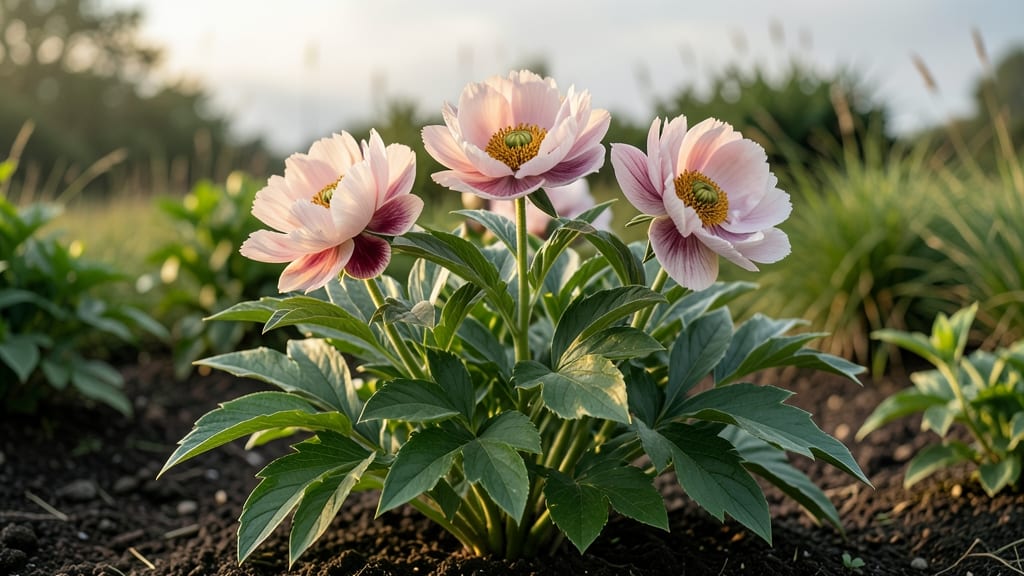
The peony flower blooming season arrives in late spring to early summer 🌸, but their exact timing shifts dramatically depending on your climate zone—and missing it means waiting another year for those lush, fragrant blooms.
Imagine your garden bursting with vibrant pinks, whites, and reds for 1-2 weeks, only to fade until next season. The difference between a showstopping display and a quiet corner comes down to knowing your zone, soil prep, and a few key care tricks.
From Zone 3’s early May blooms to Zone 9’s late June bursts, each region has its own rhythm. We’ll break down the exact months for your area, plus how to coax longer-lasting flowers with simple adjustments.
Ready to turn your peony patch into a seasonal highlight? You’ll learn when buds form, how to prune for next year, and the one soil secret that doubles bloom size—no guesswork required.
Peony blooming season by USDA hardiness Zone: exact timelines
Timing your garden’s peony blooming season is all about knowing your USDA hardiness zone. In colder regions like Zone 3, peonies often bloom weeks earlier than in warmer Zone 9 areas.
This shift happens because chill hours and frost dates trigger their growth cycles. For example, a Zone 5 garden might see blooms in late May, while Zone 7 peonies peak in early June.
Understanding these variations helps you plan for peak bloom periods and enjoy your garden’s most vibrant moments. Early bloomers like 'Sarah Bernhardt' or 'Bowl of Beauty' often appear first, followed by mid-season varieties such as 'Coral Charm'.
Late bloomers like 'Kansas' or 'Duchesse de Nemours' close out the season, sometimes lasting into July.
| USDA Zone | Peak Bloom Month | Early Bloomers | Mid-Season Varieties | Late Bloomers |
|---|---|---|---|---|
| Zone 3-4 | Late May to early June | 'Sarah Bernhardt' (pink) | 'Bowl of Beauty' (red) | 'Coral Charm' (salmon) |
| Zone 5-6 | Mid-May to late June | 'Festiva Maxima' (blush) | 'Garden Treasure' (yellow) | 'Kansas' (white) |
| Zone 7-8 | Early June to early July | 'Bartzella' (pink) | 'Duchesse de Nemours' (coral) | 'Café au Lait' (cream) |
| Zone 9 | Late June to August | 'Alice Hardy' (white) | 'Belle Etoile' (pink) | 'Garden Party' (lavender) |
Note: Timelines may shift 1-2 weeks based on local microclimates and weather patterns.
Climate plays a huge role in peony bloom timing. Cooler springs in Zone 4 or Zone 5 can delay blooms until late May, while warmer Zone 7 or Zone 8 gardens might see early June flowers.
Heatwaves or early frosts can also disrupt the cycle, so monitor your plants closely. For instance, if your area experiences an unusually warm winter, peonies might bloom earlier than expected.
In Zone 3, where winters are harsh, peonies often bloom in late May to early June, aligning with the last frost date. This timing gives them a head start before summer heat arrives.
Meanwhile, in Zone 9, where winters are milder, blooms stretch from late June into August, sometimes overlapping with summer annuals for a continuous display of color.
Choosing early-, mid-, and late-season varieties can extend your peony season by 6-8 weeks. For example, planting 'Sarah Bernhardt' (early) alongside 'Duchesse de Nemours' (late) ensures your garden stays in bloom from late May through July. This strategy works especially well in Zones 5-7, where temperature fluctuations are common.
To maximize bloom time, ensure your peonies receive 6+ hours of sunlight daily and are planted in well-draining soil. Overwatering or poor drainage can cause buds to rot before they open.
In Zone 6, for example, I’ve found that mulching around the base in early spring helps retain moisture and encourages stronger stems, leading to longer-lasting blooms.
If you’re in a warmer zone like Zone 9, consider providing afternoon shade during peak summer months to prevent buds from wilting. This simple adjustment can extend the season by 2-3 weeks.
Additionally, tree peonies (like 'Shimane') tend to bloom later than herbaceous types, making them ideal for Zone 8-9 gardens where heat can shorten the season.
For reblooming varieties, such as 'Sarah Bernhardt' or 'Bartzella', deadheading spent blooms can encourage a second flush of flowers in late summer. This works best in Zones 5-7, where temperatures remain moderate.
In contrast, single-blooming types like 'Coral Charm' focus their energy on one spectacular show in early summer.
Keep an eye on bud formation in early spring—this is your first clue that blooms are on the way. In Zone 4, buds typically appear in late April, while Zone 8 gardens may see them as early as March.
If buds swell but fail to open, it could signal stress from drought or poor soil nutrition, so adjust your care routine accordingly.
With the right variety selection and care, your peonies can transform your garden into a fragrant, colorful masterpiece for weeks. Whether you’re in Zone 3 or Zone 9, understanding these timelines ensures you never miss a single bloom—just in time for your spring and summer garden photos! 🌸
How long peonies bloom: duration and reblooming potential
Peonies are famous for their lush, long-lasting blooms, but their exact duration depends on the type you grow. Most herbaceous peonies (the classic garden varieties) bloom for about 7-10 days, while tree peonies often extend their show to 2-3 weeks.
The secret to longer blooms lies in proper care—especially watering, sunlight, and pruning.
Your USDA hardiness zone also plays a role. Cooler climates (zones 3-5) may see slightly shorter bloom times due to earlier spring frosts, while warmer zones (7-9) can enjoy extended flowering.
Even within the same zone, reblooming varieties like 'Sarah Bernhardt' or 'Bowl of Beauty' can push their blooming window to 3-4 weeks with the right conditions.
To extend your peonies' bloom time, focus on consistent moisture—they hate soggy roots but also dry spells. I water mine deeply once a week during blooming season, always in the morning to prevent fungal diseases. A 2-3 inch mulch layer helps retain moisture while keeping roots cool.
Pruning plays a crucial role too. For herbaceous peonies, cut back foliage in late fall after it dies back naturally. With tree peonies, prune immediately after blooming to encourage new growth. Never cut back foliage until it yellows—this is how they store energy for next year's blooms!
For reblooming varieties, timing is everything. After the first flush of blooms, I feed mine with a high-phosphorus fertilizer (like 5-10-10) to encourage more flowers. Then I deadhead spent blooms promptly to redirect energy.
In my USDA Zone 6a garden, this strategy has let me enjoy peony blooms from late May through early July!
One final pro tip: If your peonies bloom early, try moving them to a slightly cooler microclimate (like near a north-facing wall) to delay blooming. This can extend your season by 1-2 weeks in warmer climates.
The key is patience—peonies reward careful gardeners with years of stunning displays when given the right care! 🌸