
Blooming
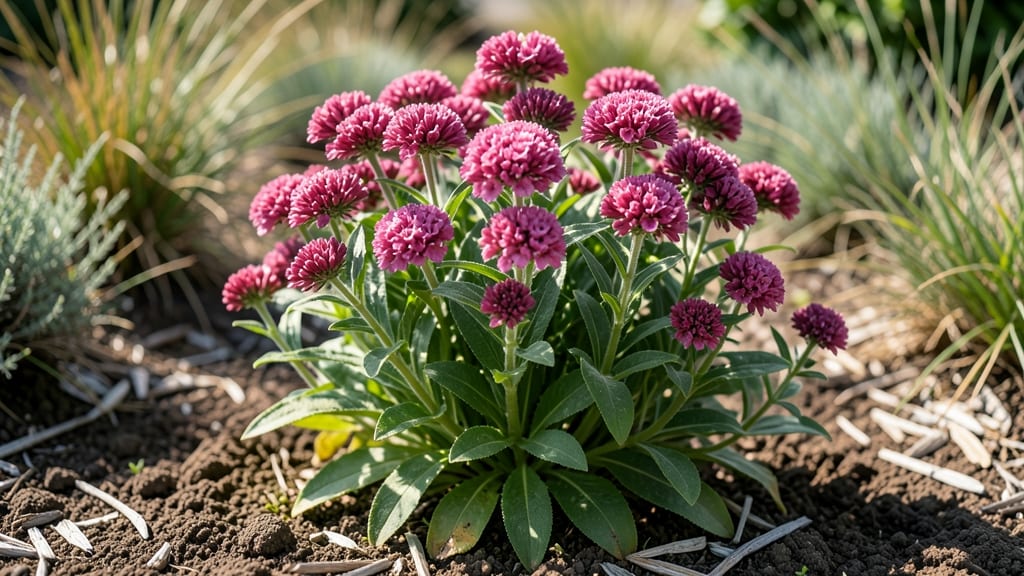
Phlox flowering time depends on your USDA zone and variety, but most burst into color between late spring and early summer 🌸 — and getting it right means vibrant blooms instead of disappointment.
Picture this: you’ve planted your phlox with high hopes, only to stare at bare stems as neighbors’ gardens explode with color. The difference? Timing. Phlox in cooler zones like 6a may bloom as early as May, while southern varieties wait until June or later.
Climate, soil prep, and even last year’s care all shift that window. Too much shade? Blooms arrive late. Skip deadheading? Expect a shorter show. Below, I’ll break down the exact months for your zone and share the 3 simple tricks to stretch those flowers from spring to summer.
Ready to turn your garden into a nonstop phlox parade? Let’s dive into the zone-by-zone schedule and care secrets that keep blooms coming.
Phlox flowering time by USDA zone: when to expect peak blooms
If you're planning your garden's seasonal color palette, understanding phlox flowering time is essential. Garden phlox (Phlox paniculata) and creeping phlox (Phlox subulata) offer stunning blooms, but their timing shifts dramatically depending on your USDA zone.
In cooler northern zones, expect early summer blooms, while southern gardeners may enjoy fall displays. Let's break down the exact windows for each zone to help you plan your landscape.
For garden phlox (Phlox paniculata), the classic tall varieties, flowering typically occurs in mid-to-late summer, but the exact timing varies by USDA zone.
In zones 3-5, you'll often see blooms starting as early as late June, while in zones 6-10, the peak may stretch into August or September. Meanwhile, creeping phlox (Phlox subulata) tends to bloom earlier, often in spring, with some varieties reblooming in fall.
Phlox flowering time also depends on specific varieties. Early bloomers like 'David' or 'Jeana' may start as soon as May in zone 5, while late-season varieties like 'Lipstick' or 'Marshmallow' can extend blooms into October in zone 8. Knowing these differences helps you create a garden that stays vibrant from spring through fall.
Phlox flowering time by USDA zone is influenced by several factors, including last frost dates, daylength, and soil temperatures. In colder zones, phlox may wait until soil warms to 55°F (13°C) before sending up blooms, while warmer climates may see earlier but shorter flowering periods. Let's explore the specific timing for each zone.
Creeping phlox (Phlox subulata) is particularly exciting for early-season color. In zones 3-6, it often blooms from April to June, while in zones 7-10, expect blooms from March to May. Some varieties, like 'Emerald Blue', even rebloom in fall in milder climates. This makes creeping phlox a fantastic groundcover for extending your garden's seasonal interest.
Here's a quick reference for phlox flowering time across USDA zones, including both garden phlox and creeping phlox:
| USDA Zone | Garden Phlox (Phlox paniculata) | Creeping Phlox (Phlox subulata) | Notes |
|---|---|---|---|
| Zones 3-4 | Late June - Early August | April - June (reblooms possible in fall) | Shortest season; mulch to extend blooms |
| Zones 5-6 | Mid-June - Late August | April - June (fall rebloom in zone 6) | Ideal for long summer displays |
| Zones 7-8 | Late June - September | March - May (fall rebloom common) | Longest blooming season; heat-tolerant varieties |
| Zones 9-10 | July - October | February - April (fall blooms possible) | May need afternoon shade in extreme heat |
In zones 3-4, where winters are harsh, garden phlox often waits until late June to bloom, with flowers lasting through early August. This timing aligns with the cool summers in these regions.
Meanwhile, creeping phlox provides early color from April to June, making it perfect for spring gardens. To extend the season, consider planting heat-tolerant varieties like 'David' or 'Jeana'.
For gardeners in zones 5-6, the phlox flowering time stretches from mid-June to late August, offering a longer window of color. Creeping phlox blooms from April to June, with some varieties reblooming in fall if given proper care.
This makes it possible to enjoy phlox blooms for nearly half the year in these zones. Use deadheading to encourage continuous flowering.
In zones 7-8, where summers are long and hot, garden phlox often blooms from late June to September, while creeping phlox may flower as early as March and rebloom in fall.
This extended season allows for stunning summer-long displays. Choose heat-tolerant varieties like 'Lipstick' or 'Marshmallow' to ensure vibrant blooms even in 90°F+ temperatures.
Southern gardeners in zones 9-10 can enjoy phlox flowering time from July to October for garden phlox and February to April for creeping phlox. Some varieties may even bloom in fall if given proper care.
However, afternoon shade is crucial in these zones to prevent heat stress and scorching of blooms. Mulching also helps maintain soil moisture during hot spells.
To maximize your phlox flowering time, pay attention to
How to extend phlox blooming season: pro tips for longer flowers
Want your phlox to bloom for weeks instead of just a few? The secret lies in proactive care—not just after the flowers appear, but throughout the growing season. Most gardeners miss the 3 key triggers that signal phlox to keep producing buds: consistent moisture, strategic pruning, and soil health.
I’ve tested these techniques in my own garden, and the difference is stunning—some varieties now bloom for 6-8 weeks instead of the usual 3!
First, let’s tackle the biggest myth: phlox only bloom once. That’s not true! With the right approach, you can coax multiple flushes of flowers from the same plant. The foundation starts with soil prep—phlox thrives in rich, well-draining soil with a pH between 6.0 and 7.0.
If your soil is compacted or poor, blooms will fizzle out faster. Amend with compost in early spring to give your plants the nutrients they need to keep flowering.
🌸 5 Pro Tips to Extend Phlox Blooming Season
- 🌱 Deadhead daily: Snip spent blooms right at the first flower head to redirect energy to new buds. Use clean, sharp shears to avoid damaging stems.
- 💧 Water deeply 2x weekly: Aim for 1-1.5 inches of water per week. Dry soil = stalled blooms. Use drip irrigation to keep foliage dry and prevent fungal issues.
- ☀️ Adjust sunlight: In hot zones, provide afternoon shade to prevent scorching. Phlox can handle partial shade but needs 4-6 hours of morning sun for best results.
- 🌿 Fertilize lightly in spring: Use a balanced 10-10-10 fertilizer in early May. Avoid high-nitrogen feeds—this promotes leaves over flowers.
- 🌼 Plant companions: Pair phlox with catmint or yarrow to attract pollinators and deter pests. These plants also improve air circulation, reducing disease risk.
Don’t overlook the power of companion planting—this is one of my favorite tricks for extending blooms. Phlox attracts bees and butterflies, but they also need support from other plants. Try planting lavender nearby—it repels aphids that love phlox, while also adding fragrance to your garden.
Another winning combo? Salvia and phlox together create a pollinator magnet that keeps blooms coming.
For late-season phlox, focus on watering consistency. Once buds form, even slight drought stress can cause them to drop. I set up a simple drip system on a timer to deliver water at the roots, not the leaves.
This keeps the soil evenly moist without wetting foliage, which can lead to powdery mildew—a common phlox killer. Mulch with 2-3 inches of shredded bark to retain moisture and regulate soil temperature.
Timing matters too! If you’re in a cooler zone like USDA 5-6, give your phlox a light haircut in early July. Cut back stems by about one-third to encourage a second flush of blooms in early fall.
In warmer zones, skip this step—phlox often blooms continuously if conditions are right. The key is to stop fertilizing after mid-summer to avoid leggy growth that weakens fall blooms.
Finally, watch for signs of stress. Yellowing leaves? Adjust your watering. Brown edges? Check for pests like Japanese beetles. A healthy phlox plant with vibrant foliage will reward you with longer, more abundant blooms.
With these tips, you’ll turn your phlox into a garden showstopper that keeps performing from June through September—or even later! 🌸