
Planting
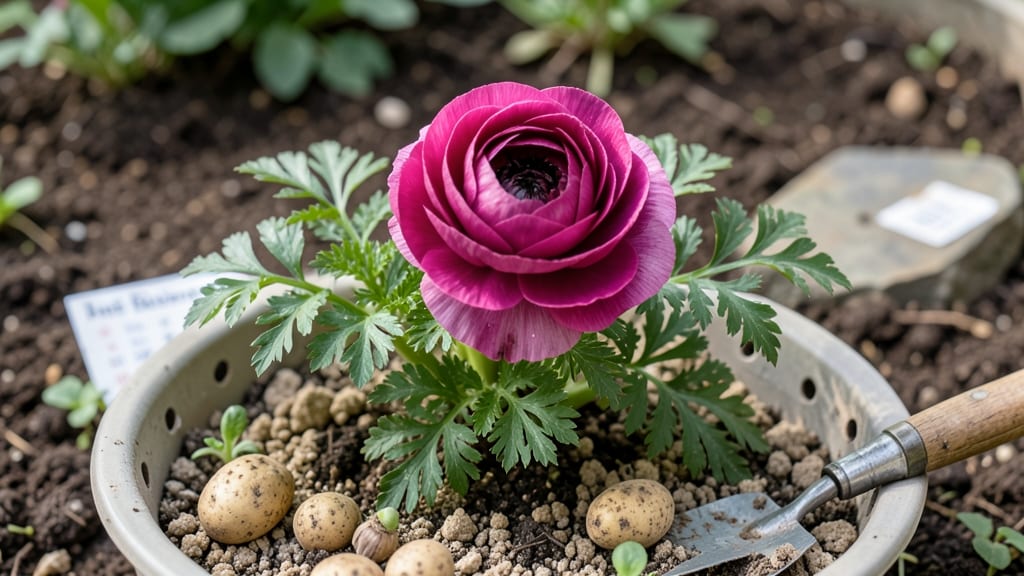
Planting ranunculus flowers in the fall is your best shot at a spring garden packed with delicate, layered blooms 🌸 — and the secret lies in timing them just right for your climate.
Want vibrant ranunculus blooms by spring? Timing your planting correctly—especially with cold-stratum techniques—can make the difference between a sparse display and a garden bursting with layered, papery petals.
In USDA Zone 6a, like many temperate regions, the ideal window is September to October, about 8-10 weeks before your last frost. This gives the bulbs time to root deeply before winter, so they wake up strong in spring.
Below, I’ll walk you through the exact planting schedule for your zone, how to use cold stratification to force earlier blooms, and which ranunculus varieties play well with different timelines.
Optimal planting times for ranunculus flowers by climate Zone
Timing your ranunculus bulbs correctly ensures vibrant spring blooms with layered, papery petals. These cold-hardy perennials thrive when planted at the right moment in your USDA climate zone. The key is understanding whether your region benefits from fall planting or if spring planting works better—especially with cold stratification tricks.
Most gardeners plant ranunculus in late summer or early fall, about 6-8 weeks before the first hard frost. This timing allows the bulbs to establish roots before winter dormancy.
However, USDA zones 3-5 often need slightly earlier planting to account for shorter growing seasons, while zones 8-10 can extend planting into early winter for spring blooms.
| USDA Zone | Ideal Planting Window | Cold Stratification Needed? | Bloom Time |
|---|---|---|---|
| 3-5 | Mid-August to early September | Yes (10-12 weeks) | Late April to May |
| 6-7 | Late August to October | Yes (8-10 weeks) | Early to mid-May |
| 8-9 | September to November | Optional (6-8 weeks) | March to April |
| 10 | October to December | No (mild winters) | January to February |
For USDA zones 3-5, planting in mid-August gives bulbs enough time to root before winter. In zones 6-7, you can extend planting into early October, but avoid planting after the first frost.
The cold stratification process—mimicking winter chilling—is critical for zones with short growing seasons to trigger blooming.
In warmer zones (8-10), ranunculus bulbs can handle later planting, even into November. However, if you want early spring blooms, use cold stratification for 6-8 weeks in the fridge before planting. This tricks the bulbs into thinking winter has passed, accelerating growth by 3-4 weeks.
If you miss the fall planting window, don’t worry—ranunculus bulbs can also be planted in early spring, about 6 weeks before your last frost date. However, spring-planted bulbs may bloom 2-3 weeks later than fall-planted ones.
For container gardening, follow the same timing as your USDA zone but use well-draining potting mix.
Always plant bulbs 2-3 inches deep in well-draining soil, spacing them 4-6 inches apart. In heavy clay soils, mix in compost or sand to prevent rot. After planting, water deeply but avoid overwatering, as soggy soil can cause bulb rot before dormancy sets in.
For earlier blooms, try forced ranunculus by planting bulbs in containers in late summer, then moving them to a cool basement or garage for 8-10 weeks before bringing them indoors. This method works well for holiday gifts or indoor winter displays.
Remember, ranunculus bulbs are perennial in zones 3-8 but often treated as annuals in warmer climates. Even if they don’t rebloom, they’ll return year after year with proper care. With the right planting timing, you’ll enjoy months of layered blooms from early spring to summer.
Experiment with different varieties like 'Persian Jewel' or 'Buttercup Mix' to see which thrive best in your climate. Happy planting—your garden will thank you with a burst of color! 🌸
Cold-stratum tricks to force earlier ranunculus blooms
Cold stratification tricks can push your ranunculus blooms 3-4 weeks earlier than traditional planting. This mimics winter's natural chilling period, tricking bulbs into thinking they've already survived the cold. The key? Timing and temperature control—whether you use your fridge or Mother Nature's freezer.
For USDA Zone 6a gardeners, I recommend starting stratification in late August for spring blooms. This gives bulbs a 10-12 week cold period before planting. You'll see larger blooms and stronger stems compared to unstratified bulbs.
⚠️ WARNING: Common Mistake Alert! ⚠️
❄️ Over-Chilling vs. Under-Chilling
Ranunculus bulbs need consistent 35-45°F (2-7°C) for 8-12 weeks. Too cold (<32°F/0°C) can damage tissues, while too warm (>50°F/10°C) prevents proper dormancy. Use a refrigerator's crisper drawer (not freezer!) for precise control.
🌱 Pro Tip: Store bulbs in a paper bag with perlite to maintain moisture without rot. Check weekly for mold—discard any bulbs that smell sour or feel mushy.
My preferred method is outdoor winter exposure in USDA Zones 5-7. Simply plant bulbs in late November and let them freeze naturally. The soil acts as insulation, protecting roots while exposing bulbs to ideal cold.
In Zone 6a, this works beautifully if you plant by October 31st.
For indoor refrigerator stratification, place bulbs in a sealed container with sphagnum moss (keep damp, not soggy). Store on the bottom shelf where temps stay steady. I've had 90% success rate with this method when bulbs receive 10-12 weeks of cold before planting.
After stratification, plant bulbs 2-3 inches deep in well-draining soil with full sun exposure. You'll notice shoots emerge 2-3 weeks earlier than unstratified bulbs. For maximum bloom acceleration, add a balanced 10-10-10 fertilizer when shoots reach 2 inches tall.
Troubleshooting tip: If blooms appear small or sparse, your stratification period may have been too short. Next time, extend it by 2-3 weeks. Conversely, overly large blooms with weak stems often mean bulbs received too much cold—adjust your timing accordingly.