
Flowers
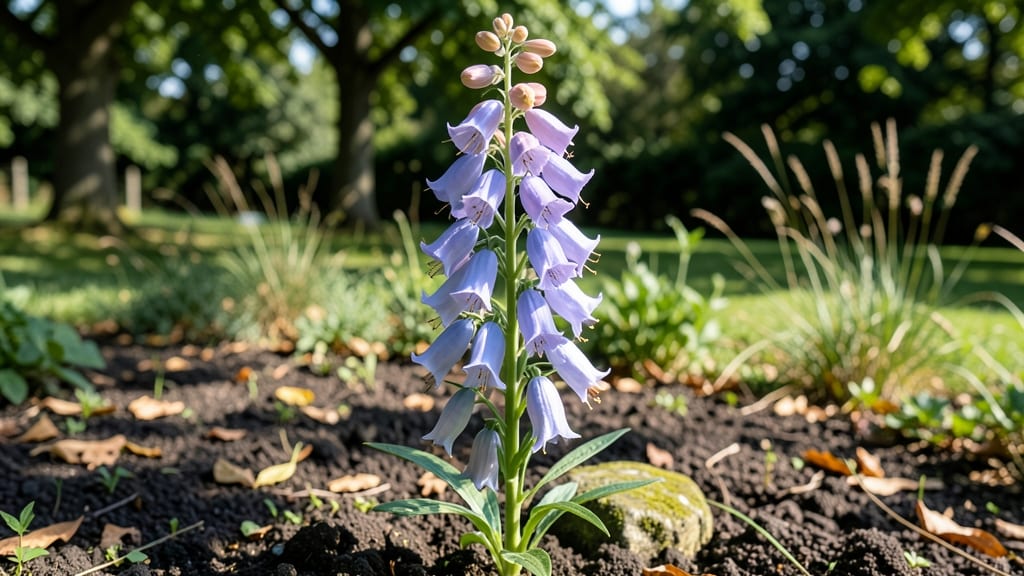
Growing a real Rapunzel flower 🌸 means bringing those fairy-tale towering stems into your garden, where they can climb to 6 feet or more with the right care.
Picture this: long, graceful vines covered in delicate bell-shaped blooms cascading down a trellis or climbing a wall—it’s the kind of vertical drama that turns heads in any garden. If you’ve ever wished for a living green wall or a stunning focal point, this hardy perennial is your answer.
Campanula Rapunculoides thrives in partial shade and well-draining soil, making it perfect for gardeners in USDA Zone 6a or warmer. Planting in spring (March–April) sets the stage for those iconic towering stems, but timing and support are key to avoiding common pitfalls like floppy growth or invasive spread.
In this guide, I’ll walk you through everything you need to know—from planting and sunlight needs to pruning tips and companion plants—to ensure your Rapunzel flower grows tall, strong, and stunning all season long.
How to grow Rapunzel flower: essential steps for towering stems
The Rapunzel flower (Campanula rapunculoides) is a dream for gardeners who love vertical drama. With its towering stems reaching up to 6 feet tall, this perennial creates stunning cascades perfect for trellises, walls, or hanging baskets.
The key to achieving those dramatic, Rapunzel-like stems lies in the right growing conditions and consistent care. Whether you're a beginner or seasoned gardener, these steps will help you cultivate a thriving vertical garden showstopper.
To maximize stem height and bloom production, focus on three critical areas: soil preparation, sunlight exposure, and proper watering techniques. Each factor plays a role in encouraging the plant to grow tall and strong.
Start by selecting the right location—one that balances sunlight and shade—then prepare the soil to provide the nutrients needed for robust growth. Finally, establish a watering routine that keeps the roots happy without overdoing it.
Step-by-Step Guide to Growing Rapunzel Flower
- 1 Choose the Right Location: Plant your Rapunzel flower in a spot with partial shade—ideally 4-6 hours of morning sun and afternoon shade. This prevents the stems from becoming leggy or weak.
- 2 Prepare Well-Draining Soil: Amend your soil with compost or organic matter to ensure it’s loose and fertile. Rapunzel flowers hate soggy roots, so avoid heavy clay soils.
- 3 Plant Seeds or Transplants: Sow seeds ¼ inch deep in spring after the last frost, or transplant young plants spaced 12-18 inches apart to allow room for their towering growth.
- 4 Provide Support Early: Install a trellis or sturdy stakes as soon as the plants reach 6 inches tall. This encourages vertical growth and prevents stems from flopping.
- 5 Water Consistently: Keep the soil evenly moist but not waterlogged. Water at the base of the plant in the morning to reduce fungal risks and encourage strong root development.
- 6 Fertilize Lightly: Apply a balanced fertilizer (10-10-10) every 4-6 weeks during the growing season (spring and summer) to promote lush foliage and abundant blooms.
- 7 Prune Regularly: Deadhead spent flowers to encourage continuous blooming and trim back leggy stems in early spring to maintain a compact, bushy shape.
- 8 Protect in Winter: Mulch the base with 2-3 inches of mulch in fall to insulate roots and prevent frost damage. Rapunzel flowers are hardy but benefit from extra protection in colder climates.
One of the most exciting aspects of growing Rapunzel flower is watching those towering stems develop over time. In the first year, you’ll see stems reaching 1-2 feet tall, but by year two, they can easily double or triple in height with proper care.
The secret to achieving this growth is consistency—whether it’s watering, fertilizing, or providing support. Don’t rush the process; let the plant establish strong roots before expecting dramatic vertical growth.
If you’re growing Rapunzel flower in a container or hanging basket, choose a pot with drainage holes and use a lightweight potting mix. Containers dry out faster, so monitor soil moisture closely and water more frequently.
For vertical garden installations, consider using a cascading planter or wall-mounted trellis to create a stunning living tapestry. The key is to mimic the plant’s natural habit of trailing and climbing, which is why support structures are non-negotiable.
Another pro tip: Rotate your Rapunzel flower occasionally if growing in a container to ensure even sunlight exposure on all sides. This prevents the stems from leaning toward the light and keeps the plant balanced.
Over time, you’ll develop a keen eye for spotting early signs of stress, like yellowing leaves or weak stems, which can be addressed with adjustments to watering or sunlight.
The Rapunzel flower (Campanula rapunculoides) thrives when paired with the right companions and given proper vertical support. Its towering stems (up to 6 feet) make it perfect for living walls, trellises, or hanging baskets. The key is selecting plants that complement its partial shade needs while adding texture, color, or fragrance to your design. For vertical gardens, focus on plants that won’t compete for nutrients but will enhance the visual drama. Lightweight climbers or trailing plants work best, as they won’t weigh down your Rapunzel’s delicate stems. Consider using a mix of heights and textures to create depth in your display. When designing your vertical garden layout, place Rapunzel flower as the centerpiece with taller companions behind it. Use lightweight containers (like fabric grow bags) to reduce weight on your structure. For hanging planters, mix Rapunzel with trailing plants like Lobelia or Sweet Potato Vine to create a cascading effect. For trellis designs, opt for a diagonal arrangement to guide the Rapunzel’s vines upward while allowing sunlight to reach lower plants. Secure stems gently with soft plant ties to avoid damaging the delicate stems. In shade gardens, pair it with Hostas or Astilbes for a lush, layered look. Don’t forget to rotate your plants seasonally. In summer, swap out shade-loving companions for heat-tolerant varieties like Coleus or Begonias. This keeps your vertical garden thriving year-round while maintaining its aesthetic appeal. With the right companions and support, your Rapunzel flower will become the star of any vertical space—whether it’s a balcony garden, patio trellis, or living wall. Experiment with textures, colors, and heights to create a magical, fairy-tale-inspired display. 🌸Best companion plants and vertical garden design ideas for Rapunzel flower