
Plants
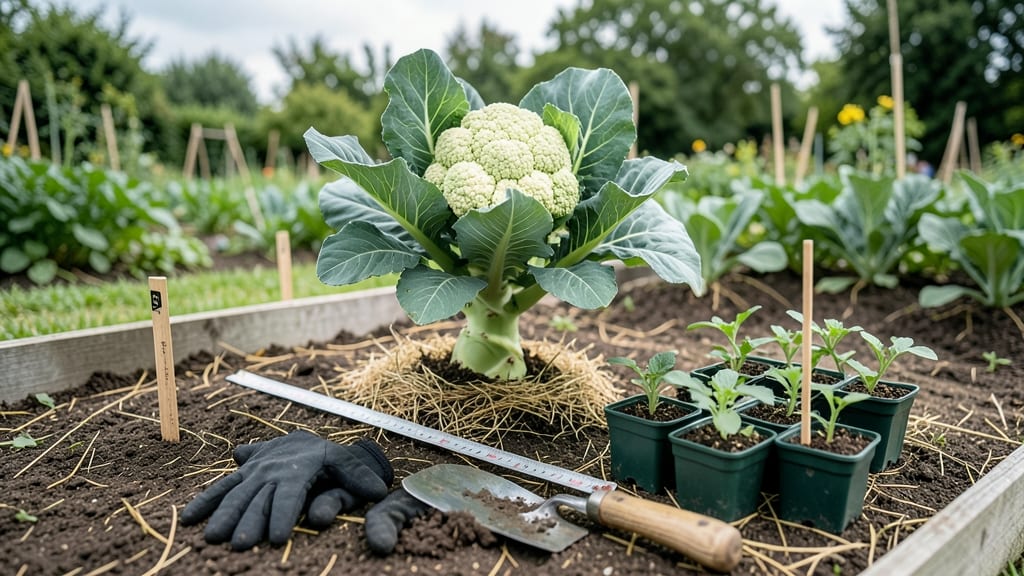
Spacing cauliflower plants correctly is the difference between plump, healthy heads and stunted, disease-prone crops 🥬 — and it’s easier than you think.
Picture this: your cauliflower seedlings are thriving, but by midsummer, the plants are fighting for space, leaving you with tiny heads or worse, bolted stalks. That’s not just a missed harvest—it’s a lesson in how airflow and sunlight make or break your garden.
In this guide, I’ll break down the exact spacing you need for your cauliflower variety, whether you’re planting in rows, raised beds, or containers. We’ll also cover how to fix common mistakes—like overcrowding—that invite pests and diseases.
By the end, you’ll know how to arrange your plants for maximum yield, minimal stress, and a garden that actually looks after itself. Let’s get started.
Ideal cauliflower plant spacing by variety and growing conditions
Cauliflower spacing isn't one-size-fits-all—it depends on your variety type, growing method, and climate zone. Compact varieties like 'Purple of Sicily' need less room than large heading types like 'Snowball Y Improved'.
Even a few extra inches can mean the difference between healthy heads and stunted growth from competition. Let's break down the science behind spacing for your garden setup.
First, understand that airflow is your #1 ally against fungal diseases like black rot. Crowded plants trap moisture, creating the perfect breeding ground for pathogens. In hot climates, proper spacing also prevents bolting—when plants flower prematurely due to stress.
Meanwhile, cool-season growers can use slightly tighter spacing since cauliflower thrives in 60-70°F temperatures.
Here's the golden rule: Measure from plant to plant, not row to row. The space between plants determines their access to nutrients, water, and sunlight.
For in-ground planting, account for mature plant size (1-2 feet tall) plus extra room for airflow. In containers, you'll need to adjust dramatically—more on that below.
🥬
| Variety Type | In-Ground Spacing (inches) | Container Spacing (per 5-gallon pot) | Hot Climate Adjustment | Cool Climate Adjustment |
|---|---|---|---|---|
| Compact (e.g., 'Purple of Sicily') | 12-18" | 1 plant per pot | +2" spacing | -2" spacing |
| Mid-Size (e.g., 'Romanesco') | 18-24" | 1 plant per 2 pots | +3" spacing | Standard spacing |
| Large Heading (e.g., 'Snowball') | 24-36" | Not recommended | +4" spacing | -3" spacing |
| Broccoli-Type (e.g., 'Calabrese') | 18-24" | 1 plant per pot | +2" spacing | Standard spacing |
| Container-Specific (All Types) | N/A | 1 plant per 5+ gallons | Use reflective pots | Add mulch |
For in-ground planting, think beyond just plant-to-plant distance. Your row spacing matters just as much—aim for 30-36 inches between rows to give plants room to spread their roots and access sunlight from all angles.
In tight spaces, consider staggered planting where you offset plants in alternating rows to maximize space efficiency without sacrificing airflow.
Container growing changes the game entirely. Cauliflower is not a natural container plant, but with the right approach, you can grow compact varieties successfully. Use 5-gallon pots minimum—any smaller and roots will circle, leading to stunted growth.
The key is one plant per container (even for mid-size varieties) and choosing self-blanching types like 'Snowball' that don't need leaf tying.
Hot climates demand extra attention to spacing. When temperatures
5 Critical mistakes that ruin cauliflower spacing (and how to fix them)
Even the most experienced gardeners can fall into spacing traps when planting cauliflower. I’ve seen crowded beds lead to misshapen heads and fungal outbreaks—don’t let that happen to you.
The key is understanding how spacing affects air circulation, root competition, and light exposure. Let’s tackle the top mistakes and their fixes.
First, overcrowding is the silent killer of cauliflower yields. When plants are too close, they compete for nutrients and moisture, leaving you with stunted growth. I’ve had to thin my own beds twice because I underestimated how much space these plants need to thrive.
The fix? Start with proper spacing from day one.
Another common error is uneven spacing in rows or beds. Uneven gaps create weak spots where pests or diseases can take hold. I once planted cauliflower in a zigzag pattern, thinking it would save space—until I realized the middle plants were struggling for sunlight.
The solution? Use a string line or grid for consistent spacing.
⚠️ callout-warningPlants spaced too closely trap moisture and humidity, creating perfect conditions for fungal diseases like clubroot or downy mildew. I’ve lost entire beds to these issues when spacing was ignored. Fix it now: Thin seedlings to 18-24 inches apart immediately.
🌱 Pro Tip: Use a ruler or spacing guide to mark planting spots before transplanting.
Poor layout planning is another mistake I’ve made. Planting cauliflower near tall plants like sunflowers blocks sunlight, while placing them next to shallow-rooted herbs steals nutrients. The fix? Group cauliflower with companion plants like beans or lettuce that won’t compete for space or resources.
One of the trickiest fixes is dealing with over-thinned seedlings. If you’ve already planted too sparsely, don’t panic. Add a few extra seedlings between existing plants, but avoid overcrowding. I’ve successfully salvaged under-planted beds by tucking in a few more seedlings and monitoring their growth closely.
Finally, ignoring variety size leads to spacing disasters. Compact varieties like ‘Purple of Sicily’ need 12-18 inches apart, while large types like ‘Snowball’ require 24-30 inches. I once planted ‘Snowball’ too close because I assumed all cauliflower had the same needs—until the heads split open.
Always check your variety’s spacing guidelines before planting.
By avoiding these mistakes, you’ll set your cauliflower up for success. Proper spacing isn’t just about fitting more plants in—it’s about giving each one the best chance to grow into a healthy, productive harvest. 🥬