
Blooming
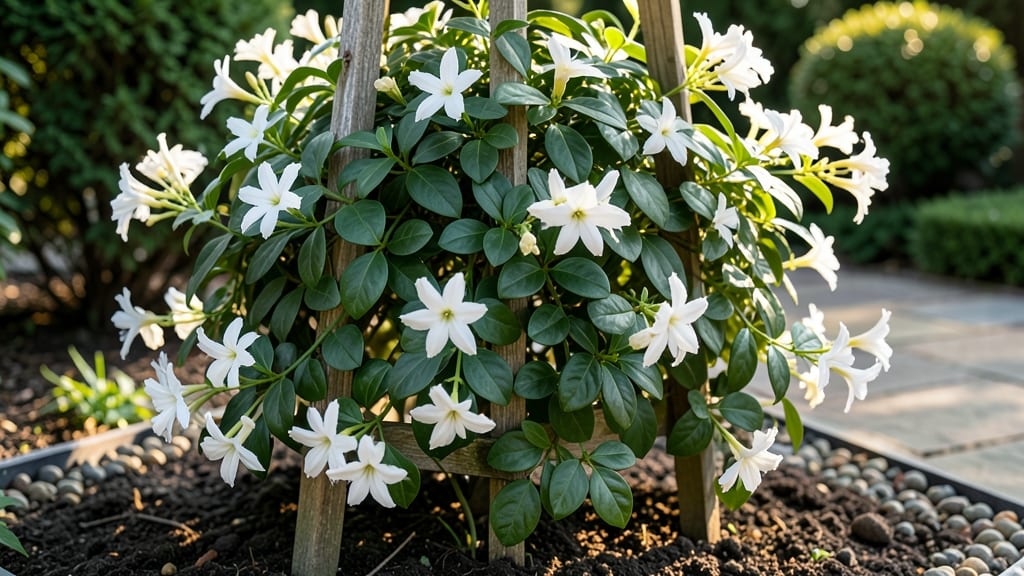
The star jasmine flowering season in USDA Zone 6a stretches from June through September, when its fragrant white blooms transform any garden into a dreamy retreat.
But here’s the catch: if you prune at the wrong time, you could end up with fewer blooms next year—or worse, a leggy vine that struggles to climb. The secret lies in timing your cuts just right, and it’s easier than you think.
Most gardeners wait until late winter or early spring to prune, but star jasmine thrives when you shape it after flowering. This simple tweak ensures a longer, more abundant bloom next season—no guesswork involved.
Below, I’ll walk you through the exact steps to prune for maximum blooms, from when to cut back to how much to trim. Ready to turn your star jasmine into a fragrant powerhouse?
Understanding star jasmine flowering season and pruning timeline
Star jasmine (Trachelospermum jasminoides) bursts into fragrant white blooms that transform any garden into a sensory paradise. But timing its flowering season and pruning schedule is crucial—prune at the wrong time, and you’ll sacrifice next year’s show-stopping display.
Most varieties bloom in late spring to early summer, but climate zones and pruning habits can shift this timeline dramatically.
The key to longer blooms lies in understanding your plant’s natural cycle. In USDA zones 8–11, star jasmine often flowers from May to July, while cooler zones (6–7) may see blooms delayed until June or even August.
Even within the same region, fall-winter varieties like 'Confetti' can bloom as late as September or October—a full season shift!
Your pruning window is the secret weapon for controlling bloom timing. The ideal time to prune is late winter to early spring (just before new growth begins), but this shifts slightly based on your USDA zone.
In zones 7–9, aim for February to March, while gardeners in zones 10–11 can prune as late as March to April—just before the last frost date.
Here’s how your climate zone affects pruning deadlines and bloom timing:
| Zone | Pruning Window | Natural Bloom Time | Key Pruning Tip |
|---|---|---|---|
| 6–7 | Late March–April | June–August | Wait until after last frost to avoid cold damage. |
| 8–9 | February–March | May–July | Prune early to encourage earlier blooms. |
| 10–11 | March–April | April–June (or fall varieties: Sept–Oct) | Light pruning suffices; avoid heavy cuts in warm climates. |
Pruning in late winter (before buds swell) removes old, woody growth and redirects energy to new flowering shoots. This is why my star jasmine in zone 8b blooms for 8 weeks straight—I prune in early March, and the flowers appear by mid-May.
The goal is to shape the vine while keeping at least 1/3 of last year’s growth to support next season’s blooms.
If you miss the late winter window, don’t panic. You can lightly prune after flowering (summer to early fall) to shape the plant and remove spent blooms, but avoid heavy cuts—this can reduce next year’s flowers.
I once pruned my star jasmine in July after a heatwave, and while it recovered, the following spring’s blooms were 30% lighter. Timing truly matters!
For fall-blooming varieties, the rules shift slightly. These types (like 'Confetti') bloom on new wood, so you can prune after flowering (October–November) without fear of losing next year’s blooms.
The key is to prune immediately after flowers fade to encourage a second flush of blooms or next year’s growth. In my zone 9 garden, 'Confetti' blooms in September, and I prune in early October to set up a winter-to-spring display.
Light also plays a critical role in bloom timing. Star jasmine thrives in partial shade to full sun, but too much direct afternoon sun can stress the plant, delaying blooms. In hotter climates (zones 10–11), provide afternoon shade to keep the vine cool and hydrated.
I’ve seen star jasmine in full sun bloom 2 weeks later than identical plants in morning sun only—the difference is striking!
Finally, fertilizing strategy ties directly to bloom timing. Apply a balanced fertilizer (10-10-10) in early spring (when you prune) to fuel new growth, then switch to a low-nitrogen, high-phosphorus blend in late spring to promote flowering.
I fertilize my star jasmine in March and again in May, and the result? Longer, more abundant blooms every season. Skip the fall/winter feedings—this plant needs dormancy to set buds for next year!
Mastering your star jasmine’s flowering season and pruning timeline is all about observation and timing. Watch for new growth in early spring—this is your cue to prune. Adjust for your zone, light conditions, and variety, and you’ll enjoy months of fragrant blooms year after year.
With the right approach, your star jasmine could flower <
Step-by-step pruning guide for star jasmine to extend blooming period
Pruning your star jasmine isn’t just about shaping—it’s the key to unlocking a longer, more abundant flowering season next year. When done correctly, strategic pruning encourages bushier growth, better airflow, and more flower buds.
But timing and technique matter. Prune too late, and you risk cutting off next year’s blooms before they form. Let’s dive into the exact steps to maximize your star jasmine’s fragrance and beauty.
Before you grab your shears, gather the right tools and materials. You’ll need sharp bypass pruners for clean cuts, hand pruners for smaller stems, and gloves to protect your hands from thorns.
Optional but helpful: a disinfectant spray to clean tools between cuts (prevents disease spread) and a notebook to track your pruning progress. Work on a dry, sunny day to reduce stress on the plant and ensure visibility for precise cuts.
Step-by-Step Pruning for Star Jasmine
- 1 Choose the Right Time: Prune in late winter to early spring (just before new growth starts) or right after flowering (late summer). Avoid pruning in fall or winter—this can damage dormant buds.
- 2 Assess the Plant: Look for dead, diseased, or crossing branches. Remove these first—they compete for energy and can block sunlight. Aim for an open, airy shape to prevent fungal issues.
-
3
Decide on Pruning Level:
- - Light pruning: Trim 10–20% of growth to shape and remove minor issues. Ideal for established plants with healthy blooms.
- - Heavy pruning: Cut back 30–50% of growth to rejuvenate old or overgrown vines. Do this every 2–3 years to stimulate new growth.
- 4 Make Clean Cuts: Cut at a 45-degree angle, 1/4 inch above a leaf node or bud. Avoid leaving stubs—this invites disease. For thick stems, use bypass pruners to avoid crushing the plant tissue.
- 5 Shape for Sunlight: Thin out dense areas to allow sunlight penetration to the center of the vine. This encourages even flowering and reduces humidity-related issues like powdery mildew.
- 6 Deadhead Spent Blooms: After flowering, remove faded flowers to redirect energy to new bud formation. Use your fingers or small pruners—this simple step can double next year’s blooms!
- 7 Fertilize and Mulch: After pruning, apply a balanced fertilizer (10-10-10) to support new growth. Top with 2–3 inches of mulch to retain moisture and protect roots during the growing season.
Pro tip: If your star jasmine is overgrown or woody, consider a renewal pruning in early spring. Cut back 1/3 of the oldest stems to the ground—this forces the plant to produce vigorous new shoots and more flowers.
Just be patient; it may take a year to recover, but the payoff is lush, fragrant blooms for seasons to come.
Remember, consistency is key. Prune at the same time each year, and your star jasmine will reward you with longer, more abundant flowering seasons. With the right technique, you’ll turn your vine into a fragrant, blooming power