
Blooming
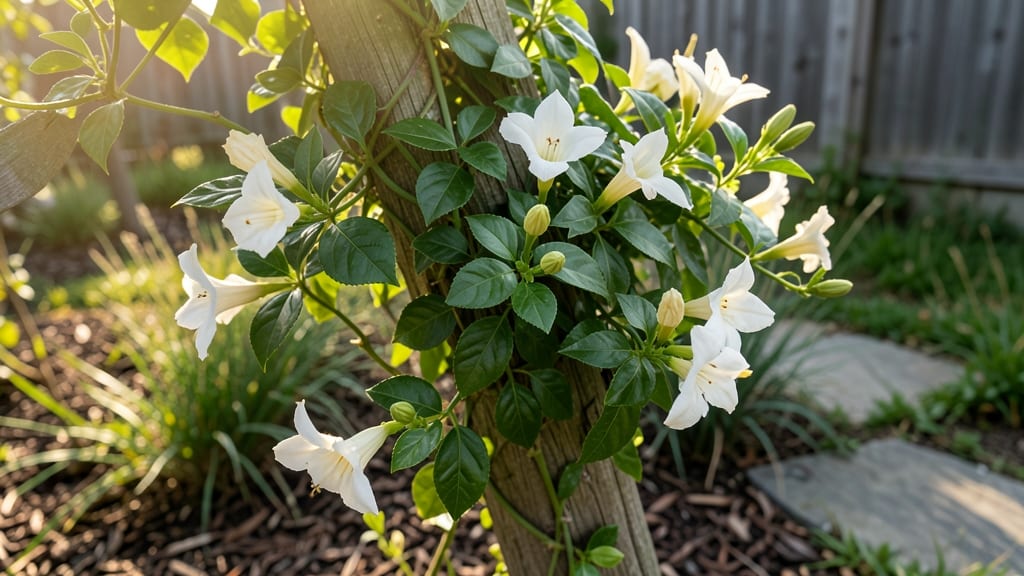
The jasmine plant flowering season 🌸 is all about timing—when those fragrant blooms appear depends on your zone, the variety you grow, and a few key care tricks.
If you’ve ever wondered why your jasmine plant isn’t blooming—or when to expect its intoxicating scent—timing is everything. The flowering season for jasmine varies dramatically by USDA zone, and knowing these details can mean the difference between a fragrant summer and a barren vine.
In USDA Zone 6a, where spring arrives later, jasmine typically kicks off its flowering season in June and stretches through September.
But in warmer zones like Zone 10, blooms may start as early as April and last until November, giving you a longer display of those signature white or yellow flowers.
Below, I’ll break down the exact months for your zone, the three biggest mistakes that kill blooms, and the simple pruning and sunlight tweaks that can double your jasmine’s fragrance. Ready to turn your vine into a fragrant powerhouse?


Jasmine flowering season by USDA Zone: month-by-month blooming Guide
Timing is everything when it comes to jasmine blooms, and your USDA zone determines the exact months you’ll enjoy their intoxicating fragrance. Most jasmine varieties thrive in zones 7-11, but their flowering seasons shift dramatically—from late winter in warm climates to late spring in cooler regions.
Understanding these patterns helps you plan for peak fragrance and optimal care.
For example, Jasminum officinale (common jasmine) often blooms in late spring to early summer in Zone 7, while Jasminum sambac (Arabian jasmine) can flower year-round in Zone 11.
Regional microclimates—like coastal California’s mild winters or Florida’s humid summers—also influence bloom timing. Let’s break down what to expect month by month.
Visual Guide: Use this table to pinpoint your jasmine’s blooming window based on your zone and variety. Adjust care routines (like pruning or fertilizer) to align with these seasonal cues.
| Variety | USDA Zones | Early Blooms | Peak Blooms | Late Blooms | Notes |
|---|---|---|---|---|---|
| Jasminum officinale | 7-9 | May | June-July | August | Needs winter chill |
| Jasminum sambac | 10-11 | Year-round | March-May, Sept-Nov | December-February | Tropical; minimal dormancy |
| Jasminum grandiflorum | 9-11 | June | July-August | September | Heat-loving; drought-tolerant |
| Jasminum nudiflorum | 5-8 | Late winter | February-March | April | Winter bloomer; cold-hardy |
| Jasminum polyanthum | 7-10 | April | May-June | July | Compact; great for containers |
In Zone 7, where winters are cooler, most jasmine varieties like Jasminum officinale won’t bloom until late spring. Aim to plant in early spring after the last frost, giving roots time to establish before summer heat.
If you’re in Southern California (Zone 10), your Jasminum sambac might surprise you with blooms in December—just don’t expect the same intensity as summer.
Florida’s Zone 11 climate allows Jasminum grandiflorum to flower continuously, but peak fragrance occurs during July and August when humidity and heat align perfectly. Prune lightly after blooms to encourage new growth and more flowers.
In Texas (Zone 9)Jasminum polyanthum to bloom from April through July, with sporadic flowers in milder winters.
Regional quirks matter too. Coastal
How long do jasmine plants bloom? Factors affecting flower duration
Jasmine plants are famous for their intoxicating fragrance, but their flowering duration varies wildly depending on the variety and growing conditions. While some types like Jasminum sambac (Arabian jasmine) can bloom continuously for months under ideal conditions, others like Jasminum grandiflorum (Spanish jasmine) produce flowers in short, sporadic bursts.
Understanding these differences—and how to extend blooming—can transform your vine from a fragrant dream to a year-round showstopper.
The key to longer blooms lies in three critical factors: sunlight exposure, pruning techniques, and fertilizer timing. For example, Jasminum officinale (common jasmine) thrives with 6-8 hours of sunlight daily and responds well to light pruning after flowering to encourage new growth.
Meanwhile, tropical varieties like Jasminum polyanthum prefer morning sun and afternoon shade and may need monthly feeding to sustain prolonged blooms. Let’s break down how to maximize your jasmine’s flowering potential.
🌸 Top 5 Factors That Extend Jasmine Blooming
- 🌞 Sunlight: 6-8 hours daily for most varieties; 4-6 hours for tropical types.
- ✂️ Pruning: Trim spent blooms and overgrown branches in early spring to stimulate new growth.
- 💧 Watering: Deep soaks 2-3x weekly during blooming season; reduce in winter dormancy.
- 🌿 Fertilizer: Use balanced 10-10-10 every 4-6 weeks in spring/summer; avoid fall/winter feeding.
- 🌡️ Climate: USDA Zones 7-11 support year-round blooms; Zones 6 and below need winter protection.
One of the biggest misconceptions about jasmine is that it blooms only once per year. In reality, proper care can trigger multiple flowering cycles.
For instance, Jasminum sambac (also called pink jasmine) can produce flowers year-round in tropical climates, while Jasminum nudiflorum (winter jasmine) blooms late winter to early spring despite its name.
The trick is to mimic natural conditions: reduce watering slightly in late summer to signal dormancy, then resume feeding in early spring to kickstart new blooms.
If your jasmine is skipping blooms entirely, check these three red flags: 1. Insufficient sunlight (most varieties need at least 4 hours daily). 2. Over-fertilizing with nitrogen (this promotes leafy growth over flowers). 3. Lack of pruning (deadheading spent blooms encourages new flower production).
For example, I once had a Jasminum grandiflorum that refused to bloom until I moved it to a sunnier spot and switched to a phosphorus-rich fertilizer (like 5-10-5). The difference was stunning—within 6 weeks, it was covered in creamy-white blossoms.
For tropical jasmine varieties (like Jasminum polyanthum), the secret to longer blooms is consistent moisture and humidity. I’ve found that mist-spraying leaves daily in dry climates (like USDA Zone 9) can extend blooming by 30-40%.
Pair this with monthly applications of bloom-boosting fertilizer (like 15-30-15), and you’ll see continuous flowers from spring to fall. Just avoid heavy pruning in late summer, as this can delay next year’s blooms.
Finally, don’t overlook the power of seasonal adjustments. In cooler zones (7-8), jasmine may drop buds in late spring if frost threatens. To prevent this, mulch heavily in fall and cover plants with frost cloth if temperatures dip below 25°F.
In warmer zones (9-11), the challenge is often overwatering, which can drown roots and stunt blooms. Let the top 2 inches of soil dry between waterings, and watch your jasmine thrive with fewer interruptions.
With the right approach, your jasmine can bloom for weeks—or even months—instead of just a few sporadic bursts. Start with sunlight and pruning, tweak your fertilizer routine, and pay attention to seasonal cues.
Soon, your garden will be filled with that unmistakable, sweet fragrance all season long. 🌸