
Advice
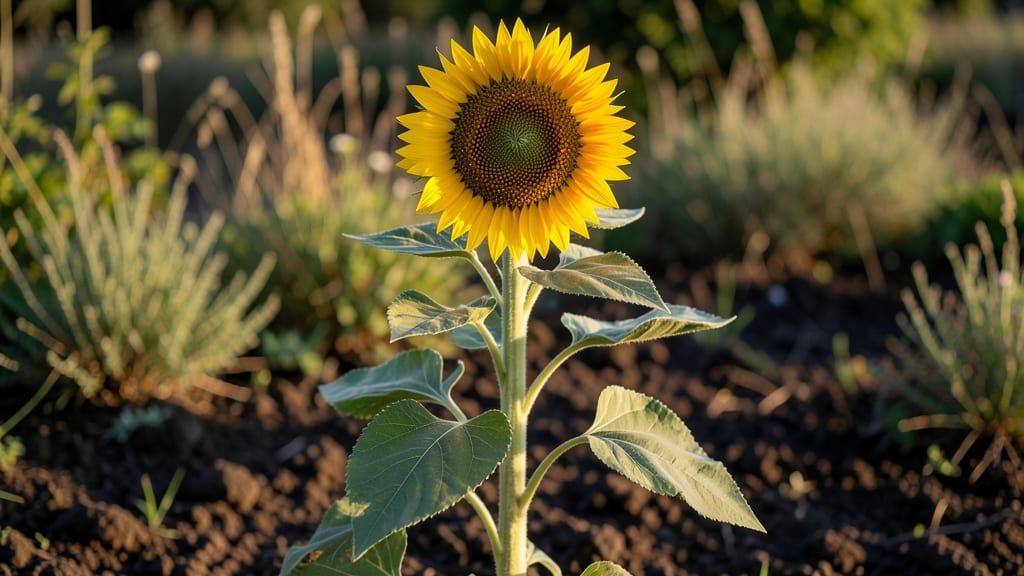
The sunflower days to maturity vary wildly—from 45 to 120 days depending on the variety—and knowing the exact timeline for your 🌻 type is the key to planning a garden that thrives.
Picture this: you’ve just tucked those big seeds into the soil, dreaming of towering blooms by summer’s end, only to watch your neighbors’ sunflowers shoot up while yours linger like they’re waiting for permission.
That gap isn’t laziness—it’s variety math. Some sunflowers sprint to 60 days, while others take nearly four months to reach their full glory.
In USDA Zone 6a, where spring lingers and summers stretch long, timing matters more than you’d think. A dwarf variety like ‘Sunspot’ might reward you with cheerful blooms in 55 days, while a giant like ‘Russian Giant’ needs the full 120-day season to reach its towering potential.
Get the timing wrong, and you’ll end up with either leggy stalks that snap in a storm or seeds that never fully ripen.
Here’s the good news: with the right variety, a little zone-specific math, and a few simple adjustments, you can turn those sunflower days to maturity into a predictable countdown to harvest.
I’ll walk you through how to pick the perfect variety for your season, calculate your exact planting window, and troubleshoot when things don’t go as planned.
Sunflower days to maturity by popular variety (with Zone-specific adjustments)
Sunflowers are one of the most rewarding plants to grow, but their days to maturity can vary dramatically depending on the variety. Whether you're growing dwarf varieties for containers or giant sunflowers for cut flowers, understanding these timelines helps you plan your garden like a pro.
In USDA Zone 6a (like my garden in the Midwest), most sunflowers thrive with 165 frost-free days, but shorter seasons in cooler zones require faster-maturing varieties.
For example, Mammoth Russian sunflowers take 120-140 days to reach maturity, while Teddy Bear varieties mature in just 55-65 days. These differences mean everything when deciding what to plant and when.
Let’s break down the most popular sunflower varieties, their days to maturity, and how to adjust for your specific growing conditions.
Pro tip: Always check your last frost date and count backward from your variety’s maturity timeline. In Zone 5, you’ll need to start seeds earlier or choose faster varieties, while Zone 8+ gardeners can enjoy longer-growing types like Autumn Beauty, which takes 90-100 days but blooms in stunning colors.
| Variety | Type | Days to Maturity | Height | Best Zones | Planting Window |
|---|---|---|---|---|---|
| Mammoth Russian | Giant | 120-140 days | 10-14 ft | 4-10 | Direct sow 2-3 weeks after last frost |
| Teddy Bear | Dwarf | 55-65 days | 1-3 ft | All zones | Direct sow after last frost or start indoors 4 weeks early |
| ProCut | Semi-Dwarf | 60-70 days | 3-5 ft | 3-10 | Direct sow 1-2 weeks after last frost |
| Autumn Beauty | Standard | 90-100 days | 5-7 ft | 4-9 | Direct sow 2 weeks after last frost |
| Sunspot | Dwarf | 55-60 days | 1-2 ft | All zones | Direct sow or start indoors 3-4 weeks early |
| Russian Giant | Giant | 120-130 days | 12-16 ft | 5-10 | Direct sow 3-4 weeks after last frost |
| Moulin Rouge | Standard | 80-90 days | 6-8 ft | 3-10 | Direct sow 1 week after last frost |
| Lemon Queen | Standard |
How to calculate your sunflower’s exact days to maturity (and avoid common mistakes)Sunflower seed packets often list a days-to-maturity range, but those numbers are just starting points. Your actual timeline depends on three key factors: your last frost date, soil temperature, and sunlight exposure. For example, a Russian Giant might take 120 days in ideal conditions, but in cooler zones, it could stretch to 140 days—or bolt prematurely if planted too early. Before you panic about missed deadlines, let’s break down how to adjust those seed packet numbers to match your garden’s reality. Start by checking your USDA zone and average frost-free days. In Zone 5, you’ll need to account for a shorter growing season compared to Zone 8. Even within the same zone, microclimates—like a sunny south-facing plot versus a shady corner—can shift maturity by 10-20 days. ⚠️ callout warning
⚠️ Common Mistake Alert: Overestimating Warmth!
Many gardeners assume 60°F soil is warm enough for sunflowers, but they actually need 55°F or higher to germinate properly. Planting too early in cool soil can delay sprouting by 7-14 days. Use a soil thermometer to confirm—if it’s below 55°F, wait! Pro Tip: In Zone 4 or colder, start seeds indoors 4-6 weeks before your last frost date to extend the season. First, grab your seed packet and note the days-to-maturity range. For instance, Teddy Bear sunflowers typically mature in 50-60 days, while Mammoth varieties can take 90-120 days. Next, subtract your last frost date from the end of your first frost date to find your frost-free window. If your window is only 100 days long, a 120-day variety like Russian Giant won’t work—unless you’re willing to start seeds indoors. Adjust for sunlight next. Sunflowers need 6-8 hours of direct sun daily, but partial shade can slow growth by 15-20%. If your garden gets only 4-5 hours of sun, add 10-15 days to your maturity estimate. For example, a 60-day variety might take 70-75 days in partial shade. Use a sunlight tracker for a week to measure your plot’s actual exposure. Soil temperature plays a sneaky role too. Sunflowers germinate fastest in 70-85°F soil, but below 55°F, germination can stall for 3-5 days. If your spring soil is slow to warm, consider using black plastic mulch to raise temperatures by 5-10°F. This can shave 5-10 days off your total maturity time. For late-season plantings, monitor soil temps with a thermometer—if it drops below 60°F at night, growth may pause until warmth returns. Finally, factor in your planting method. Direct-sowing sunflower seeds in warm soil (60°F+) gives you the fastest results, but starting seeds indoors 2-3 weeks early can help in short seasons. If you choose this route, transplant seedlings outdoors when they’re 3-4 inches tall and hardy. Just beware: transplant shock can add 5-7 days to your maturity timeline, so handle seedlings gently and keep them well-watered. With these adjustments, you’ll transform that vague days-to-maturity range into a precise planting schedule tailored to your garden. For example, in Zone 6 with a 150-day frost-free window, you could plant Autumn Beauty (75-85 days) in early May and still enjoy blooms by late July. Happy growing—your sunflowers will thank you with bold, towering blooms on schedule! 🌻 |