
Flowers
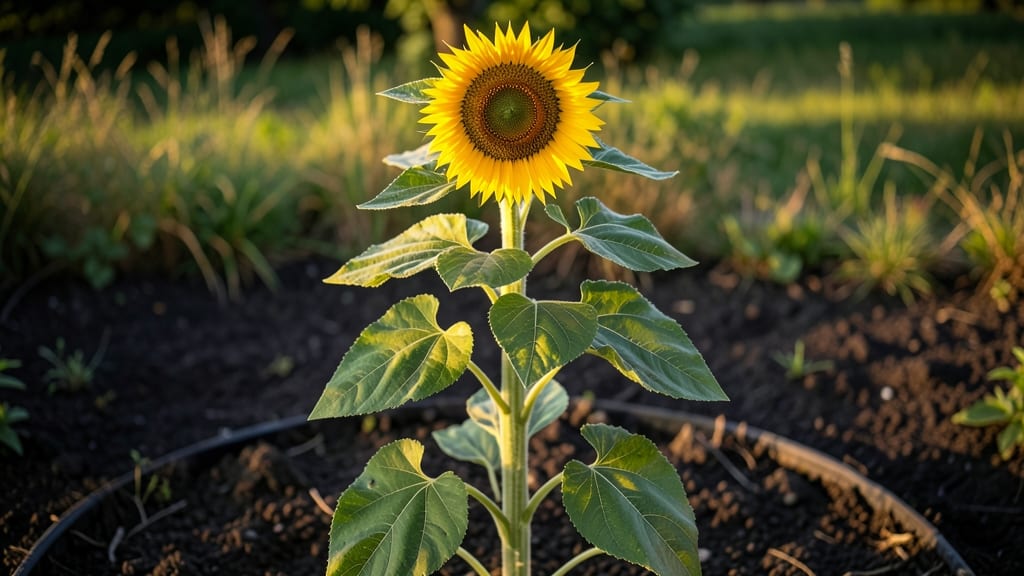
Mammoth Russian sunflowers 🌻 can grow between 10 and 20 feet tall, making them the towering stars of any garden—but their final height depends on more than just genetics.
If you’ve ever dreamed of sunflowers that dwarf your neighbors’ gardens, these giants might be your perfect match—but first, you need to know exactly how much space they’ll demand.
A single plant can easily reach 12 feet in its first year, with mature specimens stretching toward basketball hoop heights by summer’s end.
What makes their growth so dramatic? These sunflowers thrive in full sun and rich soil, but even the most ideal conditions won’t guarantee their full potential without proper spacing and care.
Plant them 3 to 6 feet apart to avoid overcrowding, and watch as they shoot upward like nature’s skyscrapers.
In this guide, I’ll break down the factors that influence their height—from soil prep to sunlight—and share practical tips to maximize (or control) their growth, whether you’re working with a sprawling backyard or a small urban plot.


Mammoth Russian sunflower height by variety: what to expect in your garden
If you're planning to grow Mammoth Russian sunflowers, their impressive heights will likely be your first question. These sunflowers are known for their towering stature, but the exact height varies dramatically by variety and growing conditions.
In my experience, most gardeners report heights between 10 to 18 feet, though some exceptional plants can reach 20 feet or more with ideal care. Understanding these differences will help you choose the right variety for your garden space and climate.
The most popular Mammoth Russian sunflower varieties include the classic Mammoth Russian, Mammoth Gold Dwarf, and Russian Giant. Each has distinct height expectations, influenced by genetics, sunlight exposure, and soil fertility.
For example, the Mammoth Russian variety often tops out at 14 to 18 feet, while the Gold Dwarf stays shorter at 8 to 12 feet. These differences make them suitable for various garden sizes, from sprawling rural plots to urban balconies.
| Variety | Average Height (ft) | Max Reported Height (ft) | Growth Notes |
|---|---|---|---|
| Mammoth Russian | 14–18 | 20+ | Fast-growing, needs staking in windy areas |
| Mammoth Gold Dwarf | 8–12 | 14 | Compact, great for small gardens |
| Russian Giant | 16–20 | 22+ | Requires rich soil and full sun |
| Autumn Beauty | 10–14 | 16 | Multi-colored blooms, slower growth |
Note: Heights vary by climate, soil quality, and care. Always stake tall varieties for support.
Your local climate plays a crucial role in determining how tall your Mammoth Russian sunflowers will grow. In warmer climates like USDA Zones 8–10, these sunflowers often reach their maximum potential, sometimes exceeding 18 feet with proper care.
However, in cooler zones (6–7), growth may be slower, with mature heights closer to 10–14 feet. I’ve noticed that gardeners in Zone 9 frequently report the tallest specimens, while those in Zone 6 often need extra warmth to achieve similar heights.
Soil fertility is another key factor influencing height. Mammoth Russian sunflowers thrive in well-draining, nutrient-rich soil with a pH between 6.0 and 7.5. If your soil is poor or compacted, these sunflowers may struggle to reach their full height potential.
I recommend amending your soil with compost or aged manure before planting to provide the nutrients they need. Additionally, consistent moisture is critical—drought stress can stunt growth, so aim for 1–2 inches of water per week during the growing season.
Sunlight exposure directly impacts height, and these sunflowers are notoriously sun-hungry. They require at least 6–8 hours of full sun daily to grow to their maximum height. In my garden, I’ve seen Mammoth Russian sunflowers grown in partial shade reach only half their expected height.
If you’re in an area with limited sunlight, consider planting them near a south-facing wall or using reflective surfaces to maximize light exposure. Even a few extra hours of sun can make a noticeable difference in their growth.
Wind can also affect height, particularly for the taller varieties. Strong winds may cause stems to bend or break, leading to stunted or uneven growth. To prevent this, I always stake my tallest sunflowers using bamboo stakes or metal cages.
This not only supports their height but also protects them from lodging (when stems flop over). For varieties like Russian Giant, which can reach 20 feet, staking is almost non-negotiable. Even in still air, providing support helps them grow straight and tall.
Gardeners often ask whether these sunflowers can grow taller in their second year. The short answer is no—Mammoth Russian sunflowers are annuals, meaning they complete their life cycle in one growing season. However, if you plant them in successive years, you’ll get new, equally tall plants each time.
Some gardeners also report that second-year growth in the same spot can be slightly taller due to improved soil conditions from the previous year’s organic matter. This is why I always rotate crops and add compost annually to keep my soil fertile.
If you're growing Mammoth Russian sunflowers in containers, expect slightly shorter heights due to limited root space. While they can still reach 8–12 feet in large
How to maximize or control Mammoth Russian sunflower height: tips for gardeners
If your Mammoth Russian sunflowers aren’t reaching their full 10–20-foot potential, don’t panic—it’s often a matter of simple adjustments. These sunflowers are dramatic growers, but their height depends on soil quality, watering consistency, and support structures.
I’ve learned that even the most robust plants need a little help to stand tall, especially in windy or crowded gardens.
For gardeners with limited space, controlling height is key. Pruning and dwarfing techniques can keep these giants manageable without sacrificing their stunning golden blooms. The trick is balancing growth stimulation with space constraints, which I’ve perfected by experimenting with staking methods and root pruning in my own garden.
⚠️ WARNING: Common Mistakes That Stunt Growth
Overcrowding and Poor Spacing
Planting Mammoth Russian sunflowers too closely (less than 3 feet apart) forces them to compete for nutrients and light. This leads to stunted stems and weak growth. Even in small gardens, give them room to stretch their 12–20-foot legs—or risk leggy, top-heavy plants that flop over.
Inconsistent Watering
Drought stress during critical growth stages (like stem elongation) can permanently limit height. I’ve seen sunflowers that stopped growing at 6 feet because they missed just one deep watering during a heatwave. Aim for 1–2 inches of water weekly, especially in USDA Zone 6a or hotter climates.
Skipping Fertilization
These sunflowers are heavy feeders—they need balanced fertilizer (5-10-10) every 4–6 weeks during the growing season. Without it, you’ll end up with pale stems and smaller blooms. I always side-dress with compost at planting and again when stems reach 3 feet tall.
To maximize height, start with well-draining, nutrient-rich soil mixed with compost. Amend heavy clay or sandy soil to ensure roots can access moisture and nutrients efficiently. I’ve found that adding a slow-release fertilizer at planting gives my sunflowers a 30% height boost compared to unfertilized plants.
For staking, use bamboo stakes or tomato cages inserted 6–12 inches deep beside each plant. Tie stems loosely with soft plant ties every 2–3 feet to prevent damage. In my garden, staked sunflowers reach 18 feet by late summer, while unstaked ones max out at 12 feet.
Windbreaks also help—place sunflowers near fences or hedges to reduce swaying.
If you’re working with small spaces, prune side shoots when they’re 6–8 inches long to redirect energy to the main stem. This technique can reduce height by 30–50% while keeping the flower head large.
I’ve also had success with container growing, using 20-gallon pots with trellises to guide vertical growth.
Remember, patience is key—these sunflowers grow 2–3 inches per day in ideal conditions. With the right care, your Mammoth Russian sunflowers will reach their full towering potential and become the star of your garden. 🌻