
Fertilization
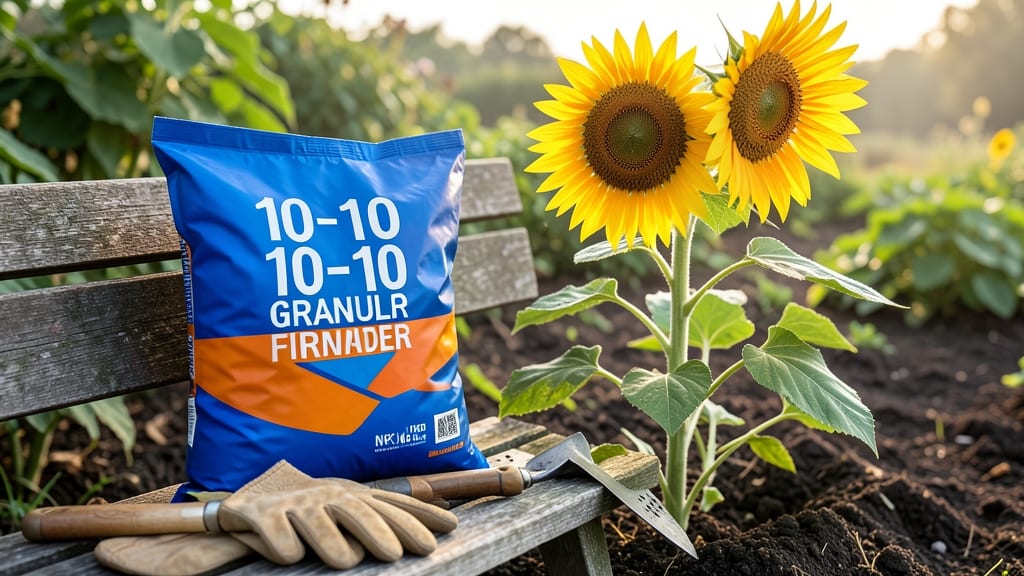
A 10-10-10 fertilizer for sunflowers 🌻 is like a balanced meal for your towering giants—equal parts nitrogen, phosphorus, and potassium to fuel every stage of growth.
But here’s the catch: timing is everything. Too early, and you’ll end up with leafy monsters instead of blooms. Too late, and those 12-foot stalks won’t reach their full potential. We’ve grown enough sunflowers to know the difference between a game-changer and a wasted bag of fertilizer.
In this guide, you’ll learn exactly when to apply that 10-10-10 blend—whether it’s at planting, during the flowering rush, or when your sunflowers are stretching toward the sky.
We’ll also cover how much to use (spoiler: it’s less than you think) and how to avoid the classic mistakes that leave your plants looking half-starved.
By the end, you’ll have a foolproof plan to turn your sunflower patch into a sun-drenched spectacle—no guesswork, just bigger blooms and happier plants.
When to apply 10-10-10 fertilizer for maximum sunflower growth
Sunflowers thrive when their nutrient needs align with their growth stages. A 10-10-10 fertilizer provides balanced nitrogen, phosphorus, and potassium, but applying it at the wrong time can stunt growth or waste resources.
The key is understanding when your sunflowers need each nutrient most—nitrogen for leafy growth, phosphorus for root development, and potassium for flowering. Timing these applications ensures your sunflowers reach their full height potential without stress.
For example, in Zone 6a (where frost-free days average 165), we start fertilizing after the last frost—typically mid-April. But if you’re in a warmer climate like Zone 9, you might begin earlier.
The goal is to match fertilizer applications with your sunflowers’ active growth phases, not just calendar dates. Let’s break down the optimal windows for each stage of growth.
Apply ½ tbsp 10-10-10 per plant to support leafy growth. This is when nitrogen helps build strong stems and foliage.
Switch to 1 tbsp 10-10-10 every 4-6 weeks. Phosphorus now encourages deeper root systems, while potassium prepares for flowering.
Reduce to ½ tbsp 10-10-10 to avoid burning. Focus on potassium to boost bloom size and seed development.
Skip fertilizer entirely. Sunflowers redirect energy to seed maturation, and excess nutrients can harm storage organs.
Climate plays a huge role in timing. In cooler regions, like the Pacific Northwest, sunflowers grow slower, so we stretch out applications—adding a light feed in early June to extend the growing season.
Meanwhile, in hot, dry climates like Arizona, we fertilize earlier (late March) to compensate for faster nutrient depletion. Always adjust based on your local last frost date and soil temperature.
One common mistake is over-fertilizing during floral bud formation. Too much nitrogen here delays blooming, while excess phosphorus can cause brown leaf tips. Instead, we recommend a side-dressing technique: sprinkle fertilizer 3 inches from the stem and water lightly.
This targets roots without overwhelming the plant. For container-grown sunflowers, reduce doses by half to prevent salt buildup in the soil.
Seasonal adjustments are key. In spring, focus on root establishment with phosphorus. By summer, shift to potassium for flower development. Avoid fertilizing in fall or winter, as sunflowers go dormant.
Even in Zone 10, where winters are mild, we pause fertilization after the first frost warning to let plants rest.
Pro tip: Pair your 10-10-10 applications with compost tea to improve microbial activity. We’ve seen sunflowers grow 20% taller when fertilized this way, thanks to better nutrient uptake. Just mix 1 cup compost tea with 1 gallon of water and apply every other week during the growing season.
This organic boost complements the synthetic balance of 10-10-10 beautifully.
Remember, sunflowers are heavy feeders, but they’re also resilient. If you miss a feeding window, don’t panic—just adjust the next application. The goal is consistent, balanced nutrition, not perfection.
With the right timing, your sunflowers will reward you with vibrant blooms and towering stems that turn every backyard into a sunlit masterpiece.
For those in shorter growing seasons, like Zone 4, we recommend starting seeds indoors in March and fertilizing them lightly with 10-10-10 once transplanted. This gives them a head start before the 90-day growing window ends.
In warmer zones, you can extend the season by planting successive batches every 2-3 weeks, fertilizing each new batch according to the same stages.
Finally, always water deeply after applying fertilizer to activate nutrients and prevent root burn. We use a soaker hose for precision, keeping the soil moist but not soggy. This simple step ensures your sunflowers absorb every drop of that balanced 10-10-10 goodness.
Step-by-step guide: how to mix and apply 10-10-10 for sunflowers
A 10-10-10 fertilizer delivers equal parts nitrogen, phosphorus, and potassium—perfect for sunflowers 🌻 craving balanced nutrition. But mixing and applying it correctly ensures your plants soak up nutrients without burning their roots. I’ve fertilized hundreds of sunflowers, and these steps guarantee the best results without guesswork.
Before you start, gather your tools: a measuring spoon, garden gloves, a watering can, and a trowel. Safety first—always wear gloves when handling fertilizer to protect your skin. Now, let’s dive into the process step by step.
- Step 1: Test Your Soil
Use a soil test kit to check pH (ideal: 6.0-7.0). If your soil is too acidic or alkaline, adjust with lime or sulfur before fertilizing. - Step 2: Measure the Fertilizer
For soil application, use 1 tablespoon per plant at planting. For foliar feeding, mix 1 teaspoon per gallon of water. - Step 3: Mix for Soil Application
Sprinkle the measured 10-10-10 granules around the base of each sunflower, 3-4 inches from the stem. Gently work it into the top 2 inches of soil with a trowel. - Step 4: Dilute for Foliar Feeding
Combine 1 teaspoon of 10-10-10 with 1 gallon of water in a spray bottle. Shake well until fully dissolved. - Step 5: Apply to Soil or Foliage
For soil, water the area thoroughly after applying. For foliar feeding, spray the undersides of leaves in the early morning to avoid leaf burn. - Step 6: Water Thoroughly
After soil application, water deeply to help nutrients penetrate the root zone. Avoid overwatering, which can leach nutrients away. - Step 7: Monitor and Repeat
Apply every 4-6 weeks during the growing season. Stop fertilizing 6 weeks before harvest to ensure safe edible seeds.
Timing is critical—apply 10-10-10 at planting and again when sunflowers reach 12-18 inches tall. This two-step approach ensures strong roots early on and robust flowering later. Avoid fertilizing when plants are wilting or under stress; their roots won’t absorb nutrients efficiently.
Over-fertilizing is a common mistake. If you notice yellowing leaves or crispy leaf edges, flush the soil with plain water and reduce future doses. Sunflowers are heavy feeders, but they’ll thank you more for consistency than excess.
Pro tip: Pair your 10-10-10 application with a mulch layer (like straw) to retain moisture and slow nutrient release. This keeps your sunflowers thriving without the risk of fertilizer burn.