
Blooming
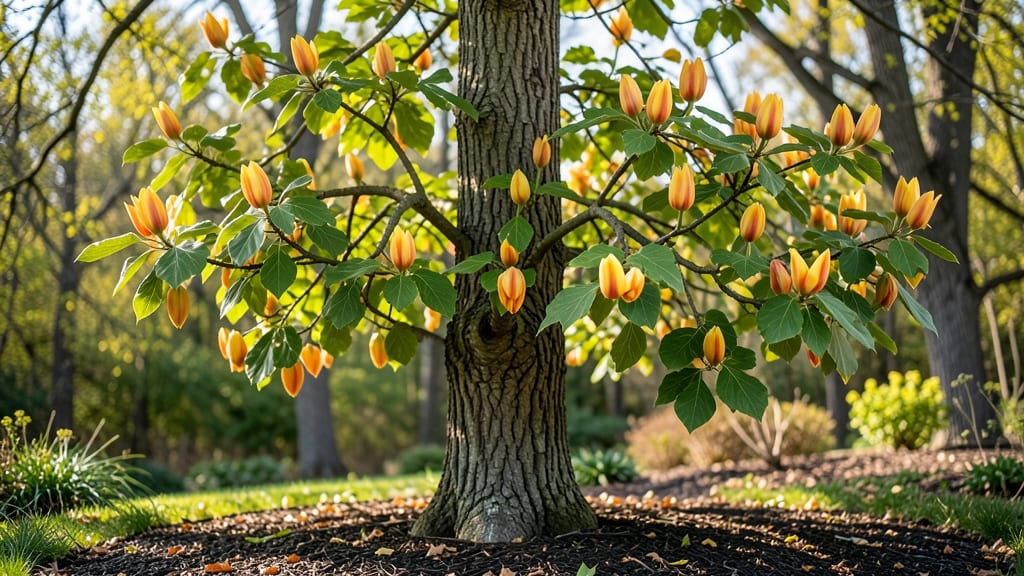
The tulip tree flowering time depends on your USDA zone and local climate, but most trees burst into bloom between late April and early June 🌳 — a showstopper that turns your yard into a springtime spectacle.
If you’ve ever wondered why your tulip tree (Liriodendron tulipifera) seems to bloom at different times than your neighbor’s—or why some years it flowers earlier than others—USDA zones hold the key to predicting its stunning spring display.
From the deep South’s March blooms to the cooler North’s June openings, the timing isn’t just about the calendar—it’s also about sunlight, water, and even the tree’s age. Younger trees often take 5-7 years to flower, while mature specimens put on a bolder show.
In this guide, I’ll break down the exact months to watch in your zone, share pro tips to encourage earlier (or later) blooms, and explain why your tulip tree might be playing hide-and-seek with its flowers this year.
Tulip tree flowering time by USDA Zone: exact months to watch
Predicting when your tulip tree (Liriodendron tulipifera) will burst into bloom depends almost entirely on your USDA zone. While these trees typically flower in late spring, the exact timing shifts dramatically from Zone 4 to Zone 9.
Understanding these variations helps you anticipate the stunning yellow-green tulip-shaped flowers that make this tree a springtime showstopper.
In colder zones like Zone 4, tulip trees often wait until May to flower, while in warmer Zone 9, they may bloom as early as March.
These differences aren’t just about temperature—they’re influenced by last frost dates, chilling requirements, and even microclimates in your specific yard. Let’s break down what to expect in each zone.
Pro Tip: If you’re in Zone 5 or 6, pay attention to false springs—warm spells in February or March can trick your tree into blooming too early, only to be damaged by a late frost. This is why knowing your exact zone matters more than just the general region.
If you’re in Zone 9, you might spot tulip trees blooming as early as February, especially in sheltered microclimates like urban heat islands or near south-facing walls. These trees thrive in warmer climates with minimal winter chill, so they don’t need the prolonged cold that northern trees require.
Conversely, gardeners in Zone 4 often see blooms pushed into June because the tree waits for consistent warmth and stable soil temperatures. In these zones, late frosts are a real concern—if your tree blooms in May and a frost hits, those delicate flowers will wilt overnight.
This is why Zone 5 and 6 gardeners need to stay vigilant for false springs.
Another factor affecting bloom time is tree age. Young tulip trees—those under 10 years old—often bloom 1-2 weeks later than mature specimens. This delay happens because young trees prioritize root and trunk growth over flowering.
If you planted a tulip tree last year, don’t expect blooms until Year 3 or 4.
For gardeners in Zone 7 or 8, bloom time can vary wildly based on elevation. Trees at higher elevations
Why tulip trees bloom at different times: climate, age, and health factors
The tulip tree flowering time isn’t set in stone—it shifts based on your tree’s age, health, and local conditions. Young trees often take 5-7 years to bloom, while mature specimens may flower as early as 3-4 years in ideal conditions.
This variability explains why your neighbor’s tulip tree might burst into March blooms while yours waits until May 🌳.
Climate plays a huge role too. False springs—warm spells followed by frost—can trick tulip trees into blooming early, only to have their flowers damaged. Meanwhile, water stress during drought years can delay flowering entirely, as the tree prioritizes survival over reproduction.
Even sunlight exposure matters: trees in partial shade may bloom later than those basking in full sun.
⚠️ callout-warning ⚠️
🌡️ Frost Risk After Blooming
Once tulip trees bloom, their flowers are extremely frost-sensitive. A late frost can kill blooms overnight, leaving you with no show. Monitor frost forecasts in USDA zones 4-6 and consider lightweight frost cloth for young trees in high-risk areas.
💡 Pro Tip: Prune late winter to remove frost-damaged branches before new growth starts.
Age is another critical factor. Mature tulip trees (10+ years old) often produce more abundant blooms because they’ve built up energy reserves. Younger trees, however, may bloom sporadically or not at all if they’re still focusing on root and trunk growth.
Even nutrient deficiencies, like low nitrogen or potassium, can stunt flowering.
Temperature fluctuations also send mixed signals to tulip trees. If winter was warmer than usual, the tree may wake up earlier and bloom ahead of schedule. Conversely, a harsh winter can delay the process.
This is why USDA zone 7 trees might bloom in April, while zone 4 trees wait until June—their internal clocks are set to local climate cues.
Healthy tulip trees thrive with consistent moisture and well-draining soil. If your tree is struggling with root rot or pests like borers, it’ll prioritize recovery over flowering. Always check for yellowing leaves or sawdust-like frass (a sign of borers), as these can delay blooms by 1-2 years.
To encourage predictable flowering, focus on spring fertilization (March-April) and deep watering during droughts. Avoid heavy pruning in late summer, as this can stress the tree and push back blooming time.
With the right care, your tulip tree will reward you with reliable, stunning spring displays year after year 🌷.