
Flowers
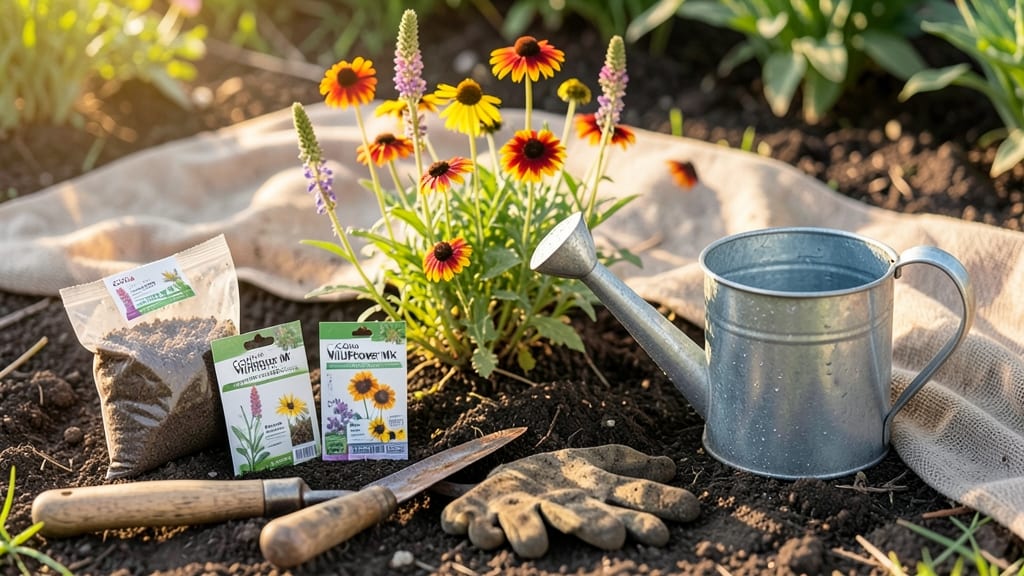
You can plant flowers in Colorado as early as late February in low-elevation areas, but the real deadline depends on your frost zone and elevation — get it wrong, and your 🌸 may never bloom.
Colorado’s diverse elevations create wildly different planting seasons. A Denver garden might be frost-free by mid-April, while high-altitude areas like Grand Junction can start as early as late March. Timing matters because planting too soon risks frost damage, while waiting too long shortens the growing season.
This guide breaks down your exact frost-free window by elevation, including city-specific tips for Denver, Colorado Springs, and the Western Slope. Learn how to adjust for microclimates, when to start seeds indoors, and which flowers thrive in early vs. late plantings.
By the end, you’ll know not just when to plant, but how to stretch your growing season with cold-hardy varieties and smart scheduling — so your garden stays vibrant from spring to fall.
Colorado’s frost-free planting zones by elevation (2024 guide)
Colorado’s dramatic elevation changes—from 5,000 feet in Denver to over 10,000 feet in mountain towns—create wildly different frost-free planting windows. At 6,000 feet, your last frost might be May 15, while at 8,000 feet, you could face late frosts until June 1.
These differences mean annual flowers like marigolds thrive in lowland Denver but struggle in high-altitude Aspen. Understanding your exact zone saves your garden from frost damage and maximizes bloom time.
Let’s break down Colorado’s three major elevation zones—Front Range, Western Slope, and High Plainsplanting deadline calculator for perennials, bulbs, and annuals. Pro tip: Add a 7-day buffer after your average last frost date for cold-sensitive varieties like geraniums or petunias.
| Zone | Avg. Elevation | Last Frost Date | First Frost Date | Planting Window | Best Flowers |
|---|---|---|---|---|---|
| Front Range | 5,000–6,500 ft | April 15–May 1 | October 1–15 | March 15–May 15 | Marigolds, Zinnias, Petunias |
| Denver | 5,280 ft | April 22 | October 10 | March 20–May 10 | Snapdragons, Cosmos, Dahlias |
| Colorado Springs | 6,035 ft | April 28 | October 5 | March 25–May 15 | Lavender, Coneflowers, Black-Eyed Susans |
| Western Slope | 4,500–7,500 ft | April 1–May 10 | September 20–October 10 | March 1–June 1 | Sunflowers, Nasturtiums, Gaillardia |
| Grand Junction | 4,860 ft | April 1 | October 5 | March 1–May 31 | Portulaca, Blanket Flower, Bee Balm |
| High Plains | 3,500–5,500 ft | April 10–May 5 | October 15–20 | March 10–May 20 | Coreopsis, Yarrow, Russian Sage |
| Fort Collins | 5,050 ft | April 18 |
How to calculate your local frost-free deadline using free toolsDetermining your exact frost-free deadline in Colorado isn’t just about guessing—it’s about using science-backed tools to pinpoint the safest dates for planting your flowers. Since Colorado’s elevations vary dramatically, even neighboring towns can have 2-week differences in frost dates. I’ll walk you through the three essential tools I use to calculate my frost-free window with precision. First, you’ll need to know your USDA Plant Hardiness Zone, which is the foundation for all frost calculations. Colorado spans zones 4-7, but elevation trumps zone numbers here. For example, Denver (Zone 5) might have a last frost in mid-April, while Fort Collins (Zone 4) could see frost until early May. Next, we’ll layer in NOAA frost data for hyper-local accuracy, then adjust for your unique microclimate—whether you’re in a city heat island or a protected valley. 📋 Step-by-Step Frost-Free Deadline Calculator
Let’s say you’re in Colorado Springs (Zone 5, 6,000 ft). NOAA might list the last frost as April 10, but your app shows April 5 due to elevation. Adding a 7-day buffer for heat-sensitive flowers means you shouldn’t plant until April 12. However, if you’re planting cold-hardy perennials like lavender, you could start as early as March 25. Microclimates throw another wrench into the mix. A south-facing slope warms up faster than a north-facing yard, while urban areas (like downtown Denver) can be 5-10°F warmer than rural spots. I always test my soil temperature with a soil thermometer—if it’s below 50°F, my flowers are at risk. Pro tip: Use black plastic mulch to warm the soil 2-3 weeks earlier in spring. Once you’ve nailed down your frost-free date, use it to schedule your planting windows. For example, if your deadline is May 1, aim to have annuals in the ground by April 15 and perennials by March 15. And don’t forget: The first frost date (usually October 15) is just as critical for fall plantings like mums and aster flowers. By combining these tools, you’ll avoid the heartbreak of frost-killed blooms and maximize your growing season. My garden thrives because I treat frost dates like a garden deadline—miss it, and your flowers won’t reach their full potential. Now grab your tools and calculate your exact frost-free window today! |