
Flowers
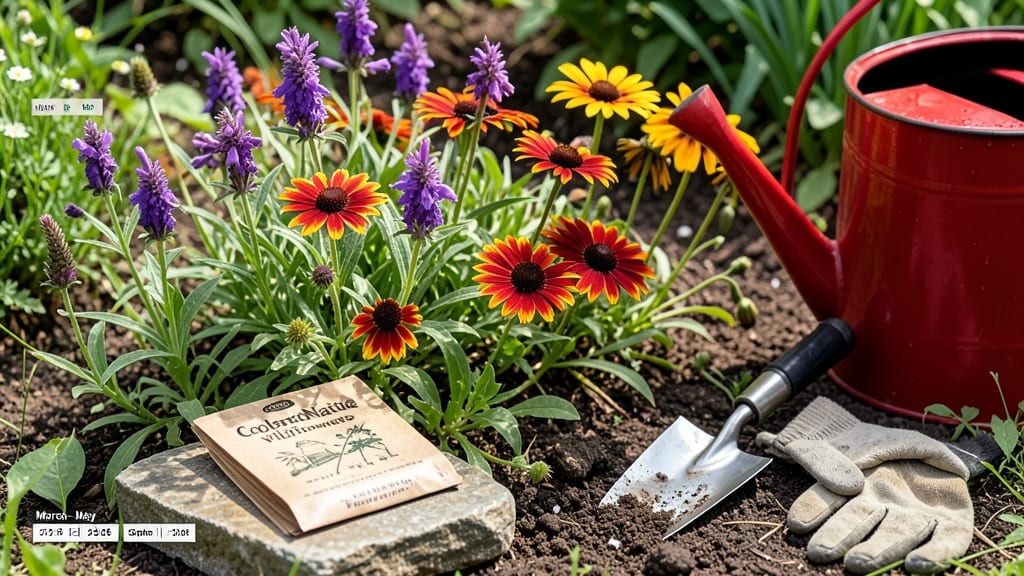
The best time to plant flowers in Colorado depends on your elevation—spring planting starts as early as late March in lower zones and pushes back to mid-May in mountain regions.
Colorado’s diverse elevations—from high mountain peaks to arid plains—mean your flower planting timeline can’t follow a one-size-fits-all rule. Get it wrong, and your blooms may struggle to thrive; get it right, and you’ll enjoy vibrant gardens from spring to fall.
For annuals like marigolds and cool-season perennials such as lavender, timing is everything. Plant too early, and a late frost will wipe out your progress; too late, and summer heat arrives before blooms even appear.
Below, I break down the exact planting windows by altitude—plus pro tips to extend your growing season, whether you’re in the Front Range or the Western Slope.
Colorado flower planting calendar by altitude zones: from foothills to high mountains
Colorado’s dramatic elevation changes create three distinct gardening zones, each with unique last frost dates and planting windows. Low elevations (3,000–5,000 ft) like Denver enjoy longer growing seasons, while high elevations (8,000+ ft) face shorter summers and earlier frosts.
Understanding your zone ensures your annuals and perennials thrive year after year.
For low-altitude gardens (USDA Zones 6a–7a), spring planting begins in early April after the average last frost (typically April 15). In contrast, high-altitude gardens (Zones 4b–5b) may wait until late May or even June.
Fall planting also shifts—low zones can sow cool-season flowers until mid-October, while high zones must finish by early September.
Key factors like soil temperature (aim for 50°F+) and microclimates (urban vs. rural) further refine timing. For example, Denver’s urban heat islands may allow earlier spring planting, while mountain valleys experience late frosts. Use this altitude-adjusted calendar to align your planting with Colorado’s unpredictable weather patterns.
In low-altitude zones, prioritize heat-loving annuals like marigolds and zinnias for spring planting. These thrive in the longer growing season and tolerate Colorado’s dry heat. For perennials, early April is ideal for dividing irises or daylilies—both hardy and drought-resistant once established.
Mid-altitude gardens (5,000–8,000 ft) should focus on cool-season bloomers like snapdragons and pansies in spring, followed by drought-tolerant perennials such as lavender or Russian sage. These plants handle the shorter season and variable moisture. Fall planting here often includes aster varieties for late-season color.
High-altitude gardeners face the shortest windows but can still succeed with cold-hardy annuals like sweet alyssum or lobelia. Start seeds indoors in April to transplant after the last frost (often June). For perennials, focus on hardy alpines like penstemon or columbine, which naturalize well in rocky soils.
Regardless of elevation, soil preparation is critical. Colorado’s clay-heavy soils benefit from compost amendments to improve drainage. Test soil pH (ideal: 6.0–7.0 for most flowers) and adjust with lime or sulfur as needed. Mulching with straw or wood chips retains moisture and regulates soil temperature—especially valuable in high-altitude gardens.
Monitor local weather forecasts for late frosts, which can delay planting by weeks. In low zones, urban areas may warm faster than rural spots, while mountain valleys often experience frost pockets. Use frost cloth to protect tender seedlings if nighttime temperatures dip below 32°F after planting.
For fall planting, aim to sow seeds or transplant 6–8 weeks before your first frost date. This timing ensures roots establish before winter dormancy.
In low zones, pansies and calendulas bloom beautifully through fall and early winter, while high-altitude gardens might focus on winter aconite or hellebores for early spring color.
Extend your season with container gardening. Pots warm up faster in spring and can be moved to sheltered spots to avoid frost. Choose compact varieties like petunias or geraniums for containers, and use self-watering systems to manage Colorado’s dry winds.
By aligning your planting
Best flowers to plant in Colorado by season: heat-tolerant vs. cold-hardy varieties
Colorado’s four distinct seasons create perfect conditions for a year-round flower garden, but not all blooms thrive in the same climate. Spring bulbs like tulips and daffodils love the cool soil, while summer annuals such as zinnias and cosmos need warmth to flourish.
Meanwhile, fall mums and winter hellebores handle frost like champions.
Your elevation plays a huge role—lowland gardens (3,000–5,000 ft) can plant earlier than mountain regions (8,000+ ft). For example, zinnias may bloom by June in Denver but wait until July in Aspen. Here’s my curated list of top-performing flowers for each season, tailored to Colorado’s unique growing conditions.
🌸 Spring Bloomers (Plant March–April)
- 🌷 Tulips & Daffodils – Plant bulbs in fall (Oct–Nov) for early spring color; thrive in USDA Zones 3–8.
- 🌼 Bleeding Heart – Prefers partial shade and moist soil; ideal for woodland gardens.
- 🌿 Sweet Peas – Cool-season annuals; sow seeds March–April for summer blooms.
☀️ Summer Stars (Plant April–May)
- 🌻 Zinnias – Heat-tolerant annuals; bloom nonstop with full sun and well-draining soil.
- 🌹 Cosmos – Drought-resistant; perfect for xeric gardens in Colorado’s dry climates.
- 🌺 Lavender – Thrives in poor, rocky soil; plant in full sun for best fragrance.
🍂 Fall Favorites (Plant July–August)
- 🌼 Mums (Chrysanthemums) – Plant 4–6 weeks before first frost for fall color; loves cool nights.
- 🌿 Asters – Late-season blooms; attracts butterflies and pollinators.
- 🌹 Russian Sage – Drought-tolerant perennial; silver foliage adds texture to fall gardens.
❄️ Winter Wonder (Plant August–September)
- 🌱 Snowdrops – One of the first flowers to bloom in late winter; thrives in shade.
- 🌷 Hellebores – Evergreen foliage with winter-to-spring blooms; loves partial shade.
- 🌹 Winter Jasmine – Climbing vine with yellow blooms in late winter; full sun lover.
For high-altitude gardens (8,000+ ft), opt for hardy perennials like columbines and penstemon, which tolerate shorter growing seasons. In lower elevations (3,000–5,000 ft), annuals like marigolds and petunias will reward you with longer bloom times.
Pro tip: Mulch heavily