
Blooming
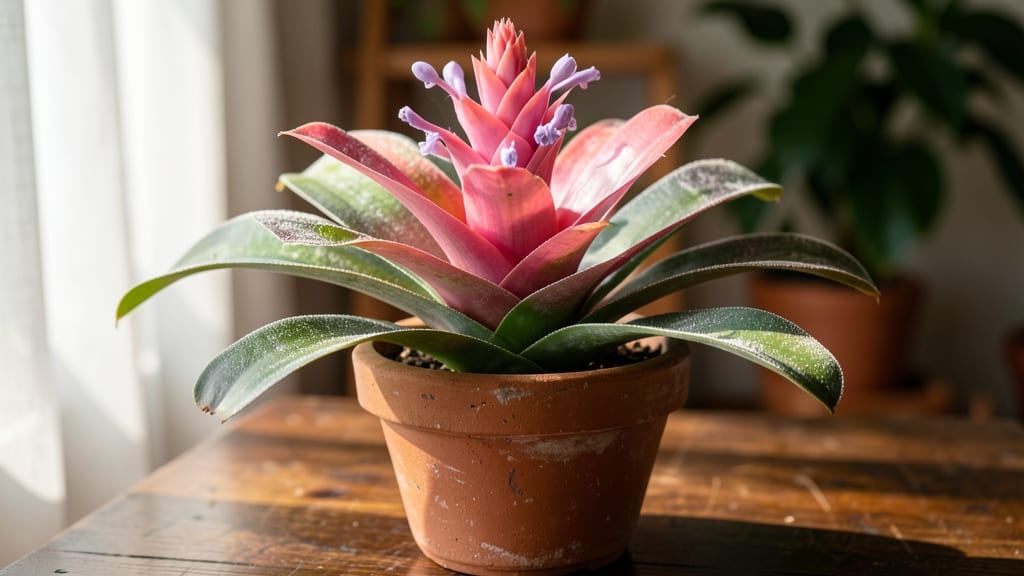
Bromeliads flower when they hit the right mix of age, light, and temperature—often after 1–3 years of patient care, depending on the species.
Picture this: your 🌺 bromeliad sits quietly for months, then suddenly shoots up a vibrant stalk, only to fade just as quickly. What if you could coax it to bloom again? The answer lies in understanding their hidden triggers, from light cycles to temperature shifts that most gardeners overlook.
Some species, like Aechmea or Vriesea, bloom once and die—but others, with the right care, can rebloom for years. The key is knowing when to adjust your approach, whether it’s moving them to cooler nights or tweaking their light exposure.
In this guide, I’ll break down the science behind bromeliad flowering, share proven tricks to force reblooming, and debunk myths like “they only bloom once.” By the end, you’ll spot the signs of an impending bloom—and keep your plants flowering like clockwork.
Natural bromeliad flowering triggers: light, temperature & age
Bromeliads are masters of patience—some species take 2-5 years to reach their first bloom, while others never flower indoors without the right triggers. The key lies in understanding their biological cues, which combine light sensitivity, temperature thresholds, and maturity milestones.
Unlike annuals, bromeliads often bloom just once in their lifetime, making these triggers critical for reblooming.
Most bromeliads are short-day plants, meaning they detect day length changes to initiate flowering. For example, Vriesea species often bloom in winter months when daylight shortens, while Aechmea may respond to temperature drops below 70°F (21°C).
Even tropical Tillandsia (air plants) follow these rules—though their triggers are less studied.
Here’s how these three factors interact to trigger blooming in your bromeliads:
| Trigger Factor | Optimal Condition | Species Examples | Time to Bloom |
|---|---|---|---|
| Light (Photoperiod) | 10–12 hours of daylight (short-day plants) | Vriesea, Guzmania, Aechmea | 1–3 years |
| Temperature Drop | 50–60°F (10–15°C) for 2–4 weeks | Neoregelia, Billbergia | 6 months–2 years |
| Plant Maturity | 3–5 years old or 12+ inches tall | All species (e.g., Tillandsia ionantha) | 1–4 years |
| Humidity | 60–80% humidity (especially for air plants) | Tillandsia, Catopsis | Varies (often 1–2 years) |
🌱 Pro Tip: Combine triggers for best results (e.g., cool temps + short days).
Light is the most critical trigger for 90% of bromeliads. These plants rely on photoperiodism, where shorter days (like autumn/winter) signal it’s time to bloom. For example, Guzmania often produces its red bracts when daylight drops below 12 hours.
To mimic this indoors, move plants to a north-facing window or use grow lights on a timer for 10-hour days.
Temperature plays a secondary but vital role. Many bromeliads need a cool shock—like 50–60°F (10–15°C) for 2–4 weeks—to break dormancy. This is why outdoor bromeliads in USDA Zones 10–12 often bloom in spring after winter chills.
Indoor gardeners can simulate this by placing plants near a cool window or using a temperature-controlled grow room.
Age matters more than you’d think. A 3-year-old bromeliad is far more likely to bloom than a 1-year-old, even with perfect light and temperature. For instance, Tillandsia ionantha rarely flowers before reaching 12 inches tall.
Patience is key—some Neoregelia species take 5+ years to produce their first blue-green bracts. If your plant is mature but still not blooming, check for nutrient deficiencies or root-bound conditions.
One common misconception is that bromeliads bloom annually. In reality, most species are monocarpic, meaning they flower once and die—though they produce pups (offsets) that can be separated to grow new plants.
Exceptions include hybrid varieties like Aechmea ‘Carolina’, which may rebloom if given the right triggers. To encourage reblooming, remove the spent flower stalk and provide fresh, well-draining soil.
For air plants (Tillandsia), the rules shift slightly. These epiphytes often bloom in response to drought stress followed by rehydration. Try soaking your Tillandsia for 24 hours after a dry period—this mimics tropical rain cycles and can trigger blooming within 6–12 months.
Pair this with bright, indirect light for best results.
If your bromeliad is mature but refuses to bloom, start with a light audit
How to force bromeliads to rebloom: step-by-step triggers
Forcing bromeliads to rebloom feels like unlocking a secret code—once you know the right triggers, these tropical beauties will reward you with vibrant blooms again and again. The key lies in manipulating their natural instincts, which revolve around light exposure, temperature shifts, and even hormonal cues.
Unlike many plants, bromeliads often bloom just once unless you intervene with these precise techniques. Let’s dive into the science-backed methods that work for Aechmea, Vriesea, and Tillandsia species.
Most bromeliads need a 12-hour night period to trigger flowering, mimicking their natural tropical dry seasons. However, some species like Guzmania require cooler temperatures (around 55–65°F) for 4–6 weeks to break dormancy. The good news?
You don’t need a greenhouse—simple adjustments to your home environment can do the trick. Start by identifying your bromeliad’s species, as tillandsias (air plants) respond differently than soil-grown varieties like Neoregelia.
🌱 Numbered Highlights: Step-by-Step Reblooming Triggers
- Step 1: Light Manipulation Move plants to 12 hours of darkness daily for 4–6 weeks using a blackout box or simply covering them with a dark cloth after sunset. Vriesea species often bloom under these conditions.
- Step 2: Temperature Shock Drop nighttime temps to 55–65°F for Guzmania or 50–55°F for Aechmea. Place pots near a cool window or use a fan to simulate mountain breezes.
- Step 3: Hormone Treatment Apply flowering hormone (like Paclobutrazol) to the soil or spray it on leaves. This mimics natural stress signals that trigger blooming in tillandsias.
- Step 4: Offspring Removal Once the flower spike appears, remove pups (baby plants) growing at the base to redirect energy toward reblooming. Use sterilized scissors to cut them at the base.
- Step 5: Post-Bloom Care After flowering, reduce watering slightly and increase fertilizer (like 10-10-10) to encourage new growth. This primes the plant for its next cycle.
For tillandsias, skip soil manipulation and focus on mist spraying or soaking in water for 30 minutes weekly to simulate tropical humidity. These air plants often bloom in response to consistent moisture stress, so let them dry slightly between waterings.
Pro tip: Group your tillandsias together to create a microclimate that mimics their natural epiphytic habitat.
Patience is key—some bromeliads take 6–12 months to rebloom after triggers are applied. Track your plant’s progress by marking the central spike (inflorescence) as it elongates. If you notice yellowing leaves or stunted growth, adjust your approach: either increase light or reduce watering.
Remember, bromeliads are resilient, and even a single failed attempt teaches you what works for your specific variety.
Once your bromeliad reblooms, celebrate! These plants often produce offsets (pups) around the base, which you can propagate for free plants. Share your success with fellow gardeners—reblooming bromeliads are a conversation starter and a testament to your green thumb.
With these triggers mastered, you’ll enjoy year-round color from your tropical collection.
🌺