
Blooming
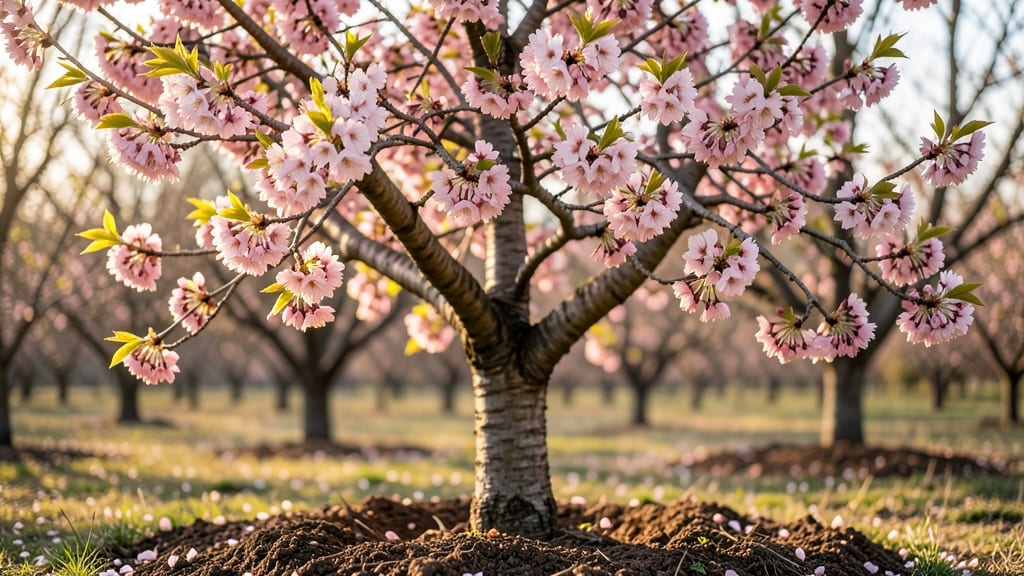
Cherry trees flower in late winter to early spring 🌸, with bloom times that shift based on the variety and your local climate zone.
Watching cherry trees burst into bloom is a breathtaking sight—but timing can vary dramatically depending on the variety and your climate zone. Knowing exactly when to expect those stunning pink or white blossoms helps gardeners plan pruning, pollination strategies, and even seasonal events.
For example, Yoshino cherry trees often bloom as early as February in warmer regions, while Bing cherries may wait until April in cooler zones like 6a. Late frosts can also cut short the show, so understanding your tree’s habits is most important for protecting those delicate blossoms.
Below, I break down bloom windows by variety, how climate zones affect timing, and 5 pro tips to ensure your cherry tree puts on its best show every year—plus what to do once the petals fall.
Cherry tree bloom times by variety: early, mid, and late season flowers
Timing your cherry tree's bloom is key to enjoying those showstopping pink or white flowers at their peak. Different varieties burst into color at distinct times—some as early as late February, others lingering into May.
Understanding these windows helps you plan pruning, pollination support, and even seasonal garden parties under their canopy.
Early bloomers like the Yoshino cherry often start in late winter, while late varieties such as Stella Rosa may wait until mid-April. The difference isn't just about aesthetics—it affects fruit production and frost sensitivity.
For example, a late frost can devastate early blooms but leave later varieties unharmed.
Here’s how to identify bloom stages visually: Tight buds signal the start, followed by pink petal tips (50% open), and finally fully unfurled blossoms (peak color). The duration varies—some varieties bloom for just 7 days, while others stretch over 3 weeks.
| Variety | Bloom Window | Peak Intensity | Duration | Color |
|---|---|---|---|---|
| Yoshino | Late Feb - Early Mar | Early Mar (7-10 days) | 7-10 days | White |
| Kwanzan | Mid-Apr | Late Apr (14-18 days) | 14-18 days | Pink |
| Bing (Sweet Cherry) | Early Apr | Mid-Apr (10-12 days) | 10-12 days | White/Pink |
| Stella Rosa | Mid-Apr | Late Apr (21 days) | 21 days | Pink/White |
| Autumn Royal | Late Apr | Early May (14 days) | 14 days | Deep Pink |
The Yoshino cherry is the quintessential early bloomer, often chosen for its prolonged white blossoms and ability to thrive in USDA Zones 5-8. Its 7-10 day peak makes it ideal for early spring celebrations—just beware of late frost risks in colder zones.
For mid-season drama, the Kwanzan cherry delivers vibrant pink blooms that last 2-3 weeks. This variety is frost-hardy and often reblooms lightly in summer, adding bonus color. Its later bloom window reduces frost damage risks compared to early varieties.
Sweet cherry varieties like Bing prioritize fruit production over ornamental blooms. Their 10-12 day bloom coincides with early pollinator activity, ensuring better fruit set. Look for white-pink blossoms that signal the start of the harvest season.
If you love extended color, the Stella Rosa is a standout with its 21-day bloom and bicolor flowers. This variety’s mid-April timing often aligns with warmer temperatures, making it a low-frost-risk choice for Zones 6-9.
Late bloomers like Autumn Royal offer deep pink hues and a 14-day peak in late April. These trees are perfect for extended seasonal interest and pair well with early spring bulbs like daffodils. Their later timing also means fewer frost-related losses.
To maximize blooms, prune in late winter (before buds swell) and avoid heavy feeding in fall—both can delay or reduce flowering. For container-grown trees, choose dwarf varieties like Stella Rosa to enjoy blooms without the 40-foot height of standard types.
Pro tip: Use a bloom calendar to track your tree’s progress. Note the first day of color and peak intensity each year—this helps predict future bloom windows and plan seasonal events like picnics under the blossoms. 🌸
How climate zones affect cherry tree flowering: USDA Zone guides & frost risks
Understanding your USDA hardiness zone is key to predicting when your cherry tree will bloom. Trees in cooler zones (5-7) typically flower earlier than those in warmer zones (8-10), with blooms often arriving as early as late February in Zone 9 and as late as May in Zone 5.
These temperature differences directly impact the flowering window and frost sensitivity of blossoms.
Late frosts pose the biggest threat to cherry blossoms, especially in transition zones (6-7) where warm spells can trick trees into blooming prematurely. A single 28°F or lower night can destroy delicate flowers before they can pollinate, leaving you with no fruit.
This risk varies dramatically between zones—Zone 9 trees rarely face frost threats, while Zone 5 gardeners must stay vigilant until mid-May.
Here’s how climate zones shift cherry tree flowering and what you can expect in your area:
To protect blossoms in frost-prone zones, plant trees in sheltered microclimates like south-facing slopes or near buildings that absorb heat. For Zone 5-7 gardeners, consider late-blooming varieties like Stella Rosa, which flowers after the last frost date in most regions.
In warmer zones (8-10), you can enjoy early blooms as soon as February, but be mindful of late-season heat waves that can stress flowers.
Monitor your local last frost date and adjust planting locations to maximize bloom success. For example, in Zone 6, planting near a brick wall can create a 5°F warmer microclimate, extending the safe bloom period.
Always choose varieties matched to your zone—Zone 9 Bing cherries won’t survive Zone 5 winters, while Zone 5 Montmorency cherries thrive in cooler climates.
Once you’ve selected the right variety for your zone, prune in late winter to remove dead wood and open the canopy for better airflow—this helps flowers dry quickly after rain, reducing disease risk.
In Zone 5-7, a light layer of mulch around the base insulates roots and encourages earlier blooming by 1-2 weeks compared to unmulched trees.
With the right zone-specific care, you’ll enjoy vibrant cherry blossoms year after year—whether you’re in frost-prone Zone 5 or mild Zone 9. The key is matching your tree to your climate and protecting those delicate flowers from unexpected cold snaps. 🌸