
Flowers
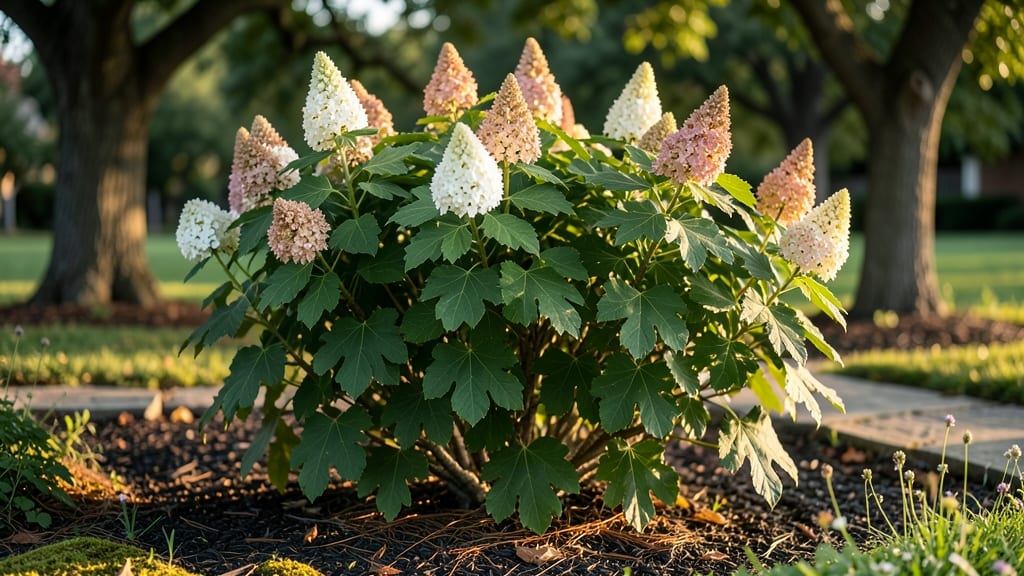
Oakleaf hydrangea flowers are the secret weapon of gardeners who want year-round drama—not just summer blooms, but fiery fall foliage and even winter structure.
Here’s the catch: prune it wrong, and you’ll lose that showstopping foliage entirely. I’ve seen six-foot shrubs reduced to bare sticks because of a single misstep—like cutting back too early or snipping the wrong branches.
This guide reveals the exact timing and technique to preserve both blooms and bold leaves, whether you’re in Zone 6 or a container garden. No more guessing—just lush, layered beauty all season long.
Ready to turn your oakleaf hydrangea 🌸 into a garden centerpiece? Let’s get started with the pruning secrets that make the difference.
When and how to prune oakleaf hydrangeas for maximum foliage impact
Oakleaf hydrangeas (Hydrangea quercifolia) are garden superstars, but their showstopping fall foliage and summer blooms depend entirely on pruning precision. Unlike other hydrangeas, oakleaf varieties bloom on old wood, meaning last year’s growth produces this year’s flowers—and those stunning red-orange leaves in autumn.
Prune at the wrong time or too aggressively, and you’ll sacrifice both blooms and foliage drama.
Timing is everything with oakleaf hydrangeas. Most gardeners make the mistake of pruning in late winter or early spring, but the best window is actually right after flowering—typically June or early July. This timing preserves next year’s blooms while keeping your shrub compact and bushy.
For Zone 6 climates, aim for late May to June, but adjust 2-4 weeks earlier in warmer southern zones (Zone 7+) or later in colder northern zones (Zone 5).
The key to pruning oakleaf hydrangeas lies in selecting the right branches. Always remove dead, diseased, or crossing branches first—these compete with healthy growth and can spread problems. Next, look for overly long or leggy stems that disrupt the shrub’s natural shape.
Cut these back to an outward-facing bud to encourage fuller growth and better air circulation. Avoid cutting into leaf nodes or you’ll risk stunted growth.
-
Step 1: Wait Until After Blooming
Prune 4-6 weeks after flowers fade (typically June-July). This ensures next year’s blooms develop on old wood while maintaining fall foliage potential. -
Step 2: Remove Dead or Damaged Wood
Cut out brown, brittle, or diseased branches at the base using clean, sharp pruners. Sterilize tools with rubbing alcohol to prevent spread. -
Step 3: Thin Out Crossing Branches
Look for branches rubbing together—these create wounds. Remove one of the two to prevent disease entry points and improve airflow. -
Step 4: Shorten Leggy Stems
Cut overly long stems back to an outward-facing bud (about 1/3 of the stem length). This encourages bushier growth and better foliage display. -
Step 5: Shape for Balance
Step back and visualize the shrub’s natural form. Remove branches that disrupt the pyramid shape or grow inward. Aim for a tapered, open center to showcase fall foliage. -
Step 6: Clean Up Debris
Rake up and dispose of pruned material (don’t compost if diseased). This reduces pests and fungal risks for next season.
Your pruning tools make all the difference with oakleaf hydrangeas. Skip the dull shears—they crush stems and leave ragged cuts that heal poorly. Instead, use bypass pruners for small branches (1/4-inch diameter) and a sharp lopper for thicker stems.
For larger shrubs, a pruning saw with a fine-tooth blade prevents tearing. Always sterilize tools between cuts to avoid spreading bacterial leaf spot or powdery mildew, two common oakleaf hydrangea pests.
Climate plays a surprising role in oakleaf hydrangea pruning. In hot, humid southern gardens (Zone 8+), prune earlier in June to avoid summer stress and encourage new growth before monsoon season. In cooler northern zones (Zone 5), delay until mid-July to allow blooms to fully develop before winter.
If you live in an area with late spring frosts, wait until after Memorial Day to ensure buds aren’t damaged by unexpected cold snaps.
One of the biggest mistakes gardeners make is over-pruning oakleaf hydrangeas. These shrubs thrive on layered, mature wood, so avoid cutting back more than 1/3 of the plant’s height in any single year.
For young plants (3 years old), limit pruning to deadwood removal only—let them establish a strong structure. Mature shrubs (5+ years) can handle light shaping, but never remove more than 20% of the canopy annually. Remember, fall foliage depends on last year’s growth!
For container-grown oakleaf hydrangeas, pruning takes on extra importance. Since potted plants have limited root space, they need more aggressive shaping to prevent root-bound stress. Prune 10-15% more aggressively than in-ground plants and repot every 2-3 years to refresh soil.
Use a well-draining potting mix with perlite or orchid bark to prevent root rot, which oakleaf hydrangeas are prone to in containers.
After pruning, give your oakleaf hydrangea a boost to recover. Apply a balanced fertilizer (10-10-10) in early summer to support new growth. Water deeply once a week (or daily in extreme heat) to prevent transplant shock from pruning stress.
Mulch around the base with 2-3 inches of organic mulch (like pine straw or shredded bark) to retain moisture and protect roots. This step is critical for fall foliage vibrancy—healthy roots mean brighter leaves!
Watch your oakleaf hydrangea transform over the next few months. With the right pruning, you’ll see denser foliage, more abundant blooms, and deeper fall colors—think crimson reds and burnt oranges instead of dull browns.
The key is patience and precision: prune at the right time, use the right tools, and respect the plant’s natural growth habits. Your garden will thank you with a year-round spectacle that neighbors will envy.
Common oakleaf hydrangea pruning mistakes that kill your fall color
If your oakleaf hydrangea's fall foliage is fading to dull brown instead of fiery red, the culprit is often pruning mistakes. These shrubs rely on last year's growth for their signature autumn display, yet many gardeners accidentally strip them of their seasonal drama with just a few wrong cuts.
The good news? Most issues stem from avoidable errors.
I've seen over-pruned hydrangeas reduced to bare stems, while others were pruned at the wrong time, leaving them unable to produce the lush leaves that make them a garden star.
Even dead wood removal can backfire if done incorrectly, sending your plant into a decline. Let's fix these before next season.
⚠️ Warning: These Pruning Errors Will Ruin Your Oakleaf Hydrangea
Your oakleaf hydrangea flower produces fall color on old wood—meaning last year's growth. Cutting back too aggressively or at the wrong time removes next year's foliage potential. Never prune more than 1/3 of the plant and avoid winter cuts—both kill next season's dramatic leaves.
First on the list: pruning in late winter. Many gardeners reach for their shears as soon as the snow melts, but this is a critical mistake for oakleaf hydrangeas.
The dormant season is when your plant sets buds for next year's growth—cutting now removes those hidden potential leaves before they even appear. Wait until early spring when new growth begins.
Another common error is cutting back dead wood to the ground. While it might look neat, this removes the woody stems that hold next year's fall foliage buds.
Instead, trim dead branches back to a healthy bud or outward-facing branch. Look for green tissue just below the dead portion—this is where new growth will emerge.
Don't forget about over-pruning for shape. Oakleaf hydrangeas naturally develop an open, airy habit that showcases their exfoliating bark and fall leaves. Shearing them into tight, formal shapes removes their natural beauty.
Focus on selective pruning to open up the center and remove only crossing or diseased branches.
Finally, ignoring the "before" photo leads to disaster. Always snap a photo of your hydrangea before pruning—this helps you visualize what you're removing. Without reference, it's easy to over-cut and create bald spots where no new growth will appear.
I keep my phone handy with a quick note: "Don't cut below the lowest leaf cluster!"
Your oakleaf hydrangea's fall color is worth protecting—these mistakes are easy to avoid with the right knowledge. Next time you reach for your shears, remember: less is more when it comes to preserving that seasonal spectacle. 🌿✂️🍂