
Flowers
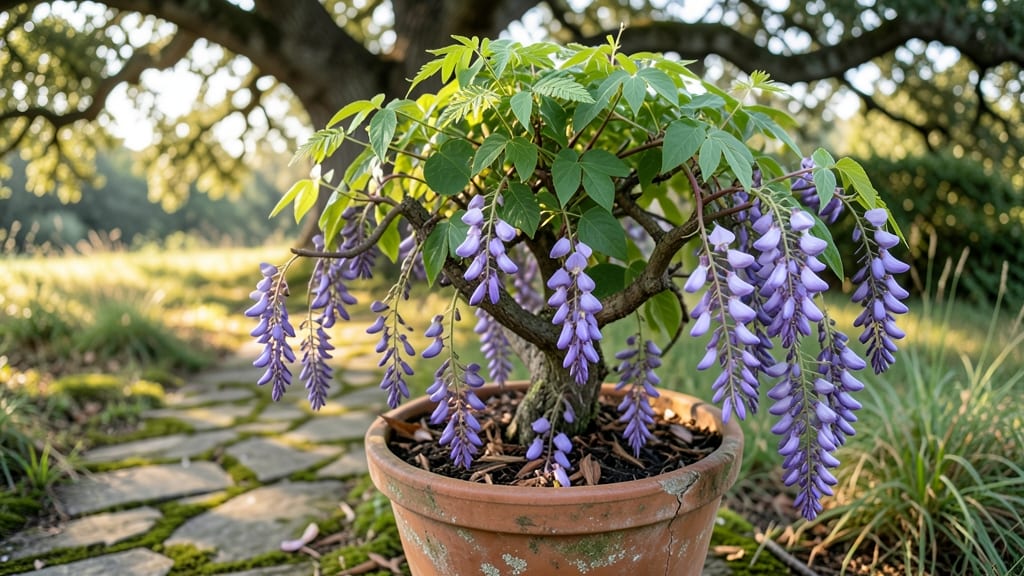
Wisteria flowers in late spring, typically between April and June, when the air warms and days lengthen—but the exact timing depends on your hardiness zone and variety.
Picture this: your wisteria 🌸 is lush and green, yet it refuses to bloom, leaving you staring at bare stems instead of fragrant cascades. That’s because wisteria’s flowering schedule isn’t just about the calendar—it’s a delicate dance between sunlight, temperature, and even last year’s pruning choices.
If you’re in Zone 6a (like me), you’ll likely see blooms in May, while Southern gardens may get an earlier show in April. But here’s the catch: wisteria needs 6+ hours of full sun and a proper winter dormancy period to set buds for next season.
In this guide, I’ll break down the exact timing for your region, the pruning secrets that force blooms, and how to troubleshoot when your wisteria plays hard to get.
Wisteria flowering timeline: months, climate Zones & key triggers
Wisteria’s breathtaking blooms arrive like clockwork—but only if you understand the three critical triggers that dictate timing: sunlight exposure, temperature thresholds, and dormancy cycles.
Unlike annuals, wisteria relies on cold winter dormancy to reset its bloom cycle, which is why USDA Zones 3–9 experience wildly different bloom windows. In my Zone 6 garden, the fragrant purple clusters emerge in early May, while my friend in Zone 9 enjoys hers in late February.
The secret? Matching your care routine to your local climate.
Most wisteria varieties bloom in late spring to early summer, but early bloomers like Wisteria sinensis can push flowers as early as March in warm climates. Late bloomers, such as Wisteria floribunda, often wait until June.
These differences aren’t just about geography—they’re tied to how your plant perceives seasonal changes. For example, wisteria in northern climates need a 60-day chill period (below 45°F) to trigger buds, while southern varieties may only need 30–45 days of cooler temps.
Skipping this step is the #1 reason wisteria fails to flower.
Here’s the month-by-month breakdown of when to expect blooms, organized by USDA hardiness zones. Use this as your gardening calendar to plan pruning, fertilizing, and even where to place your arbor or trellis for maximum impact.
Pro tip: Southern gardens often see two bloom cycles per year—one in winter and another in spring—while northern regions get just one.
If you’re in Zone 6 or higher, you’ve likely noticed that late-winter pruning can push blooms earlier by 2–3 weeks. This works because wisteria flowers on old wood (last year’s growth), so strategic cuts remove spent blooms while encouraging new shoots.
In my garden, I prune in February to shape the vine and remove seed pods—which sap energy—before buds swell. The key is to never cut back into last year’s growth until after flowering, or you’ll sacrifice next year’s blooms.
For northern gardeners (Zones 3–5), timing is extra critical because frost can damage emerging buds. I’ve learned the hard way that waiting until after the last frost (typically mid-May in my area) ensures blooms aren’t nipped by late spring freezes.
A frost cloth or row cover can buy you an extra week if buds appear early. Meanwhile, southern gardeners often deal with the opposite problem: overly warm winters that prevent dormancy.
If your wisteria in Zone 9+ isn’t blooming, it might need a cooling trick, like moving it to a shadier, cooler microclimate for 4–6 weeks in winter.
Light is the final piece of the puzzle. Wisteria needs 6+ hours of direct sunlight daily to set buds, but too much afternoon sun in hot climates (Zones 8–10) can cause buds to bake before opening. My Zone 9 wisteria thrives with morning sun and afternoon shade—a lesson learned after watching buds drop in 95°F heat. Conversely, northern wisteria can handle full sun year-round, as cooler temps prevent heat stress. Test your vine’s light conditions by observing leaf color: yellowing leaves mean it’s thirsty or sun
Pruning secrets to force wisteria blooms: what to cut (and when)
Wisteria blooms are a gardener’s dream, but they only appear if you prune at the right time. The key is understanding your plant’s natural cycle—winter dormancy sets the stage for spring flowers, while aggressive summer cuts can kill next year’s blooms.
I’ve learned this the hard way after seeing my Japanese wisteria skip blooming entirely after a misplaced trim.
Most wisteria varieties bloom on old wood, meaning the flower buds form on last year’s growth. If you cut those stems too early, you’ll be left with leafy vines and no blooms.
The timing isn’t one-size-fits-all, though—your climate zone and wisteria type (Chinese vs. Japanese) change the schedule. Let’s break it down by season to maximize those fragrant cascades.
⚠️ callout-warning ⚠️
Pruning after mid-June removes this year’s flower buds while also cutting next year’s growth. If your wisteria blooms in May but you prune in July, you’ll likely see no flowers next spring. The fix? Only trim dead or crossing branches after blooming—save heavy pruning for late winter/early spring.
Start your pruning calendar in late winter (February-March), just as buds swell but before new growth begins. This is when you do your hard pruning—cutting back 1/3 of last year’s growth to encourage strong new shoots.
Look for thick, woody stems (1-2 inches in diameter) and thin them out to improve airflow. I like to make my cuts just above a bud facing outward to train the vine away from the trunk.
After the main bloom period (May-June), switch to light maintenance pruning. Remove only spent flowers, damaged branches, and any growth that’s blocking sunlight from the center. Avoid heavy cuts now—this is when your wisteria sets next year’s flower buds.
A quick trim with sharp shears keeps the vine tidy without sacrificing blooms. Pro tip: Chinese wisteria blooms on both old and new wood, so you have slightly more flexibility with summer pruning.
Skip pruning entirely during summer (July-August) unless you’re dealing with pests or diseases. This is the vine’s growth phase, and cuts now can weaken the plant. Focus instead on watering deeply (2000-3000ml weekly) and applying a balanced fertilizer (10-10-10) to fuel next season’s blooms.
I’ve seen wisteria recover from neglect, but summer pruning is the fastest way to turn a lush vine into a leafy monster with no flowers.
As fall approaches (September-October), stop all pruning to let the vine harden off. Wisteria needs 60+ days of dormancy to set strong flower buds. If you live in a mild climate (Zone 8+), you might see late blooms—don’t prune these off!
Instead, let them fade naturally and focus on protecting the vine from frost damage with a light mulch layer. The goal is to give your wisteria the perfect winter rest so it wakes up ready to bloom in spring.