
Flowers
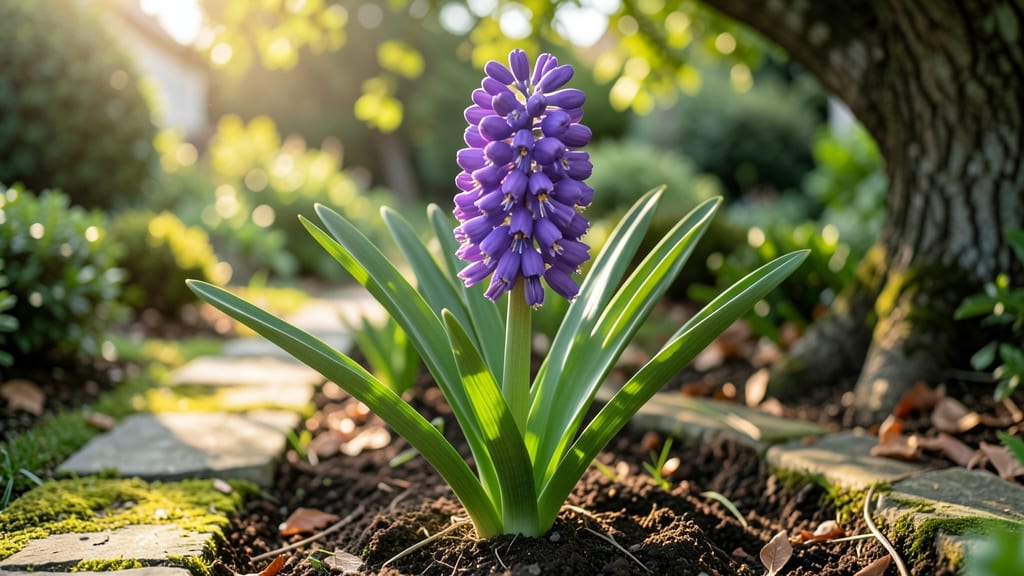
Hyacinths flower in late winter to early spring, a sweet, fragrant burst of color that brightens chilly gardens 🌷.
If you’ve ever wondered why your hyacinth bulbs refuse to bloom—or when to expect those fragrant purple, pink, or white spikes—timing is everything. These spring showstoppers follow strict seasonal cues, and knowing their exact bloom windows can mean the difference between a garden full of flowers and a missed opportunity.
In most of the U.S., hyacinths typically push through the soil in March or April, with blooms lasting 2-3 weeks if cared for properly.
But your climate zone and the specific variety play a big role—some early bloomers open as soon as February, while late varieties may wait until May.
Below, I’ll break down how to predict your hyacinths’ bloom time, adjust for your region, and keep those fragrant spikes coming back year after year with simple care tips.
Hyacinth bloom seasons by USDA climate zones
Hyacinths are one of spring's most fragrant and colorful arrivals, but their bloom timing varies dramatically depending on your USDA hardiness zone.
In colder zones like 3-5, expect blooms as early as late March, while warmer zones 9-10 may see flowers as late as April or May. This variation comes from hyacinths' need for chilling periods—they require 12-16 weeks below 50°F to trigger flowering.
The key to predicting your hyacinths' bloom time is understanding your local frost dates and selecting the right variety timing. Early bloomers like 'Jan Bos' (white) or 'Delft Blue' often flower first, while late varieties like 'Woodstock' (lavender) may wait until mid-to-late spring.
Southern gardens also benefit from winter chill adjustments—areas like Zone 8 might need pre-chilled bulbs for reliable blooms.
| USDA Zone | Typical Bloom Window | Early Varieties | Late Varieties | Southern Adjustments |
|---|---|---|---|---|
| Zones 3-5 | Late March - Early April | 'Blue Jacket', 'Woodstock' | 'Anna Marie', 'Pink Pearl' | Plant deeper (8") for winter protection |
| Zones 6-7 | Early April - Mid-April | 'Delft Blue', 'L'Innocence' | 'Blue Giant', 'Carnegie' | Mulch heavily after planting |
| Zones 8-9 | Mid-April - Early May | 'Jan Bos', 'La Victoire' | 'Pink Pearl', 'White Pearl' | Use pre-chilled bulbs or plant in fall |
| Zones 10 | Late April - May | 'Blue Jacket' (forced indoors) | 'Anna Marie' (forced) | Force indoors or plant in winter |
In Northern climates (Zones 3-5), hyacinths often bloom just as snow melts, making them a harbinger of spring. The earliest varieties like 'Blue Jacket' can push through late-winter snow for a dramatic display.
Meanwhile, Southern gardens (Zones 8-10) face different challenges—warmer winters may require pre-chilling bulbs or planting in winter months to meet their chilling needs.
For Zone 6-7 gardeners, timing is critical—plant bulbs in October or November to ensure they get enough cold exposure before winter sets in. A general rule is to plant 6 weeks before the ground freezes.
In warmer microclimates within these zones, consider planting hyacinths in shadier spots to delay blooming slightly and extend the season.
If you're in Zone 8 or warmer, traditional fall planting may not provide enough chill. Instead, try winter planting (December-January) or forcing bulbs indoors in late fall.
For indoor forcing, plant bulbs in containers with pebbles at the bottom, then refrigerate for 10-12 weeks before moving to a sunny windowsill. This mimics the natural chilling process and can produce blooms by February or March.
One often-overlooked factor is soil temperature. Hyacinths begin growing when soil reaches 50°F, but actual blooming depends on cumulative chill hours.
In Zone 9-10, where winters are mild, bulbs may need artificial chilling—place them in a garage or unheated basement for 8-10 weeks before planting outdoors. This trick can shift bloom times by several weeks.
For sequential blooming, plant a mix of early, mid, and late varieties. For example, combine 'Jan Bos' (early), 'Delft Blue' (mid), and 'Anna Marie' (late) to enjoy hyacinths from March through May
How to predict your hyacinths’ exact bloom time
Predicting when your hyacinths will bloom isn’t guesswork—it’s science! These bulbs follow a precise chilling cycle and soil temperature triggers. By understanding their needs, you can estimate bloom dates within a few weeks. The key lies in three factors: planting depth, cold exposure, and warming soil in spring.
First, planting depth matters more than you might think. Hyacinth bulbs need to be buried 6 inches deep (about 3 times their height) to trigger proper root development. Shallower planting can delay blooms by 2-4 weeks, while deeper planting might push them later.
If you planted last fall, your bulbs are already counting down the days until spring warmth signals them to bloom.
Next, chilling requirements are non-negotiable. Most hyacinth varieties need 12-16 weeks of temperatures between 35-50°F to break dormancy. In colder climates (USDA Zones 3-6), this happens naturally. But in warmer zones (7-10), you may need to pre-chill bulbs indoors for 8-10 weeks before planting.
Without this, your hyacinths might produce leaves but skip flowering entirely.
🌱 Hyacinth Bloom Timeline Cheat Sheet
Use this 3-step guide to predict your bloom date:
- Step 1: Count 12-16 weeks from your last frost date (when soil hits 50°F).
- Step 2: Add 4-6 weeks for indoor-grown bulbs (they bloom earlier than outdoor).
- Step 3: Adjust ±2 weeks for variety: early types (e.g., 'Jan Bos') bloom first; late types (e.g., 'Woodstock') follow.
💡 Pro Tip: Track your local soil temps with a soil thermometer—hyacinths bloom when soil hits 55-60°F for 3+ days.
Soil temperature is the final piece of the puzzle. Hyacinths won’t bloom until the ground warms to 55-60°F. In Zone 5, this typically happens in early April, while Zone 8 gardens may see blooms as early as February.
Use a soil thermometer to monitor—once temps stabilize, count 3-4 weeks until flower spikes emerge.
Indoor hyacinths follow a different rhythm. Forced bulbs (like those in vases or pots) bloom 4-6 weeks earlier than outdoor plants because they skip natural chilling.
To sync them with outdoor blooms, plant some bulbs outdoors in fall and force others indoors in winter. This creates a sequential bloom from February through April.
One last trick: fertilizer timing can nudge blooms slightly. Apply a balanced 5-10-10 fertilizer in early spring (when shoots are 2-3 inches tall) to boost flower production. Avoid high-nitrogen feeds—they’ll give you leaves, not blooms! With these methods, you’ll predict your hyacinths’ bloom date like a pro.