
Flowers
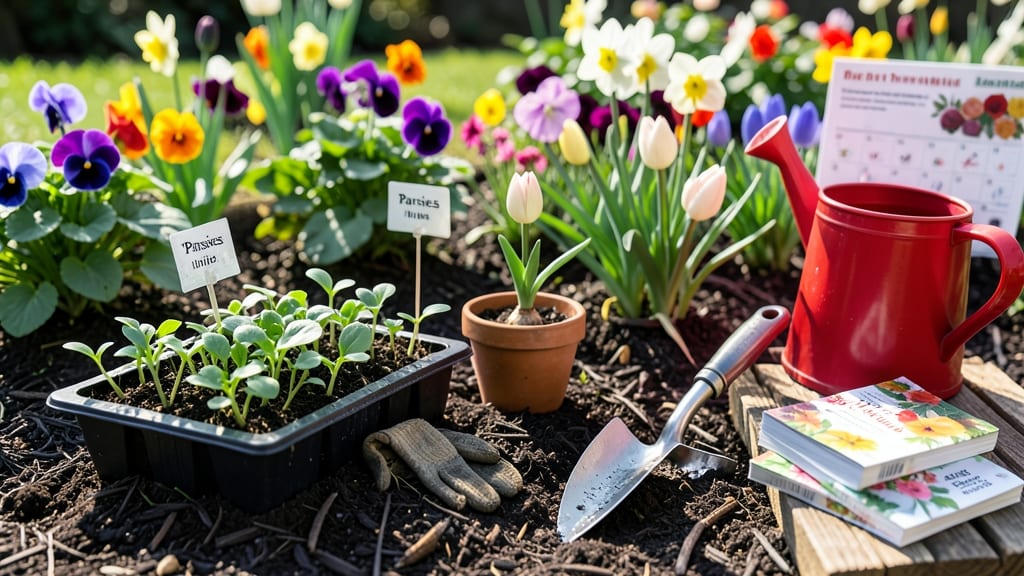
Planting flowers in spring at the right time means the difference between a garden bursting with color and one that fizzles before it blooms.
Timing your spring flower planting wrong can mean wilting blooms before they even bloom—but getting it right unlocks vibrant gardens all season long. The secret? Soil temperature, not just the calendar.
In Zone 6a, most 🌸 flowers thrive when soil hits 50°F and frost is a distant memory, usually by mid-April. But cool-season blooms like pansies can handle earlier planting, while heat-lovers like petunias wait for warmer soil.
Below, I break down the perfect planting window by flower type, how to test soil warmth, and the 3 mistakes that kill flowers before they bloom.
Best soil temperature ranges for planting spring flowers (by type)
Spring flowers don't follow a one-size-fits-all planting schedule. While last frost dates are important, soil temperature determines whether your pansies or petunias will thrive. Cool-season flowers like snapdragons can handle 45°F soil, while marigolds need 60°F+ to germinate properly.
Let's break down the ideal soil temps by flower type and region.
Northern climates (USDA Zones 3-5) often face shorter growing seasons, so timing is critical. In these areas, cool-season flowers can go in as early as March when soil hits 40°F, while warm-season blooms wait until May when soil reaches 65°F.
Southern gardens (Zones 7-10) enjoy longer windows, but heat-sensitive flowers like cosmos still need 55-65°F soil to avoid stress.
Here's how to match your spring flowers with their perfect soil temperature range:
| Flower Type | Ideal Soil Temp | Best Planting Window | Regional Notes |
|---|---|---|---|
| Cool-Season Flowers | 40-55°F | March-April (North) / February-March (South) | Pansies, Snapdragons, Sweet Alyssum |
| Transitional Flowers | 55-60°F | April-May (North) / March-April (South) | Calendula, Stock, Larkspur |
| Warm-Season Flowers | 60-75°F | May-June (North) / April-May (South) | Petunias, Marigolds, Zinnias |
| Heat-Tolerant Flowers | 70-85°F | June-July (North) / May-June (South) | Cosmos, Sunflowers, Portulaca |
For northern gardens, I recommend starting with cool-season flowers in early spring. These hardy blooms like pansies and snapdragons can handle 45-50°F soil and even light frosts. Plant them when soil hits 40°F for best results.
In southern climates, you can push these flowers even earlier, sometimes as early as February, since the ground warms faster.
Warm-season favorites like petunias and marigolds need patience. Wait until soil temperatures consistently stay above 60°F before planting. In Zone 6, this typically means waiting until late May, while Zone 9 gardeners can plant as early as March.
Always check soil temperature with a thermometer—don't rely on air temperature alone.
Pro tip: Use row covers or black plastic mulch to warm soil faster in cooler climates. This can extend your planting window by 2-3 weeks for heat-loving flowers.
Just remove covers once flowers emerge to prevent overheating. For southern gardens, focus on shade-tolerant varieties like impatiens or begonias to combat intense spring sun.
Remember, soil temperature affects more than just germination. Cool soil slows root growth, while too-warm soil can cause bolting in flowers like snapdragons. The key is finding that sweet spot where your plants can establish strong roots before facing summer heat or winter chill.
For most spring flowers, this means aiming for 55-65°F soil at planting time.
If you're unsure about your local soil temperature trends, check your USDA Plant Hardiness Zone and average last frost date. Then add 2-4 weeks to that date for warm-season flowers.
For example, in Zone 5, with an average last frost of May 10, wait until June 1 to plant petunias—when soil typically reaches 65°F. This simple adjustment can mean the difference between thriving blooms and wilting disappointment.
For container gardening, soil warms faster than in-ground soil. Monitor potted flower mixes closely and be ready to move containers to shadier spots if temperatures spike above 80°F. Mulching with straw or wood chips helps regulate soil temperature and retain moisture—critical for <
How to test soil temperature and adjust planting dates
Soil temperature is the real indicator for spring planting—not just the calendar. A 50°F soil thermometer reading signals safe planting for most flowers in Zone 6a, while cooler crops like pansies can handle 40°F soil. But how do you know when your soil is ready?
You don’t need fancy tools to test soil warmth. My go-to method is the finger test: push your finger into the soil about 1 inch deep.
If it feels cool but not icy, it’s likely 50°F. For precision, a soil thermometer ($10 at garden centers) gives exact readings in seconds.
🌱 5 Steps to Test Soil & Adjust Planting
- 1. Check soil depth: Test 2-3 inches deep—this is where roots grow.
- 2. Use a thermometer: Readings between 50°F–60°F are ideal for most flowers.
- 3. Time your test: Take readings on overcast days or early morning for accuracy.
- 4. Extend the season: Use row covers to warm soil by 5–10°F for earlier planting.
- 5. Harden off seedlings: Acclimate for 7–10 days before transplanting to 50°F+ soil.
Row covers are my secret weapon for cooler climates. These lightweight fabrics trap heat, raising soil temperatures by 5–10°F and extending the planting window by 2–3 weeks. Simply drape them over beds before planting warm-season flowers like petunias or marigolds.
For seedlings, hardening off is critical. Move them outdoors for 2 hours/day over 7–10 days, gradually increasing exposure. This toughens stems so they survive 50°F+ soil without shock. Skip this step, and you’ll see wilting or stunted growth.
Pro tip: Track your last frost date (April 15 in Zone 6a) but wait 2 weeks before planting heat-lovers like tomatoes or peppers. Their roots need 60°F+ soil to thrive.
Remember, soil temperature > air temperature. A sunny 70°F day might hide 45°F soil—always test before planting. With these tricks, your flowers will bloom earlier and longer this season! 🌸