
Flowers
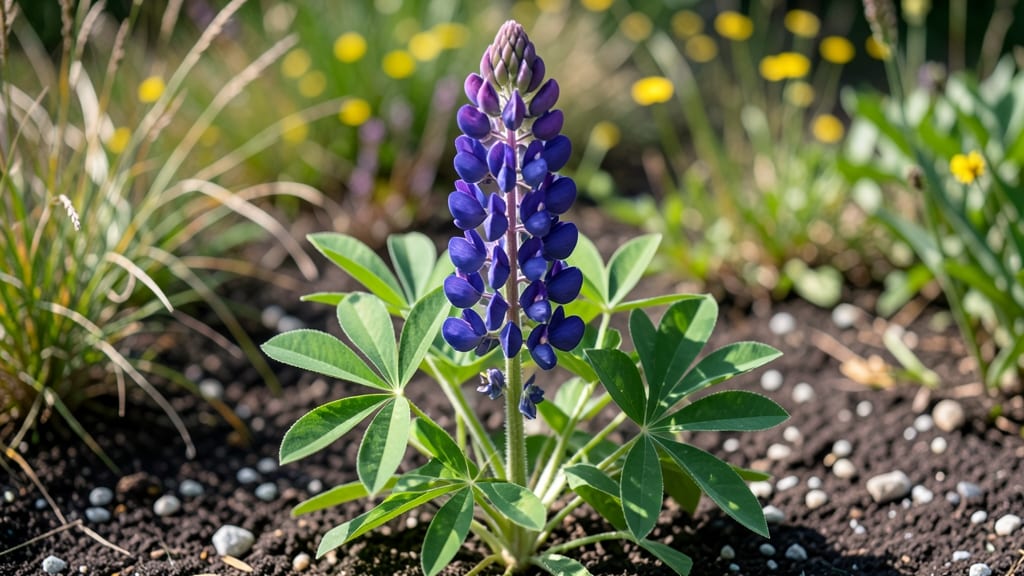
Lupins flower in late spring to early summer, turning gardens into a vibrant splash of color 🌸 when timed just right.
Picture this: you’ve just planted your seeds in early spring, eagerly waiting for those iconic spikes to rise—only to wonder, Will they bloom on schedule? The truth is, lupin flowering depends on more than just luck.
Variety, climate, and even soil prep play a surprisingly big role in whether your garden gets a show-stopping display or a quiet disappointment.
In most regions, including USDA Zone 6, lupins typically burst into bloom between May and July, though early varieties might surprise you with flowers as soon as April. But here’s the catch: cooler climates can delay blooms, while warmer zones might see them fade faster.
Knowing your local frost dates and lupin type is the key to planning for peak seasonal color.
Below, I’ll break down the exact months lupins flower by zone, share tips to extend their blooming season, and help you choose the right varieties for your garden’s timing. No more guessing—just guaranteed garden drama.
Lupin flowering seasons by USDA hardiness Zones: a month-by-month breakdown
Timing your lupin blooms means planning for a spring-to-summer spectacle that varies dramatically by USDA Zone. In Zone 3, expect cooler-season blooms, while Zone 10 lupins may flower year-round. The key is matching your variety and location to maximize those showstopping spike-like flowers that attract pollinators.
Most lupins follow a spring-to-early summer bloom cycle, but late-season varieties like Lupinus arboreus can extend displays into fall. Understanding these patterns helps you plant strategically—whether you want early color or a prolonged display. Let’s break down the monthly blooming windows by zone.
In Zones 3-4, lupins often bloom later due to cooler springs. Plant early-maturing varieties like Lupinus perennis to ensure June-July color. These zones also benefit from mulching to extend the growing season and protect roots from late frosts.
Gardeners in Zones 5-6 enjoy the longest bloom windows, with May through August displays. Here, mid-season varieties like Lupinus polyphyllus shine. To extend blooms, deadhead spent flowers and fertilize lightly in early spring with a 5-10-10 blend to encourage robust growth.
Warmer Zones 7-8 allow for earlier blooms, often starting in April. These regions can also support second flushes in late summer if you prune back plants after the first bloom cycle. Pair lupins with drought-tolerant perennials like lavender to reduce watering needs.
Southern Zones 9-10 offer the most flexibility, with some varieties flowering year-round. Plant tropical lupins like Lupinus arboreus for spring and fall color. In these climates, shade protection during peak summer heat prevents bud drop.
Regional variations matter too. For example, Pacific Northwest lupins may bloom 2-3 weeks later than those in California’s Central Valley due to cooler, wetter springs. Always check your local frost dates and adjust planting times accordingly.
Pro tip: Use seasonal succession planting to stagger blooms. Plant early varieties in fall for spring color, and late varieties in early summer to extend the show into autumn. This creates a non-stop lupin display from April through October.
Finally, remember that soil health impacts bloom timing. Amend clay-heavy soils with compost to improve drainage, and avoid over-fertilizing with high-nitrogen feeds, which can delay flowering. With the right planning, your lupins will reward you with months of vibrant color.
How to extend lupin blooming season: tips for longer flower displays
Lupins are showstoppers in any garden, but their blooms can feel too short-lived if you don't take action. The good news? With a few simple strategies, you can double or even triple their flowering time.
I’ve tested these techniques in my own garden, and the difference is dramatic—think weeks of vibrant color instead of just a few days.
The secret lies in understanding lupins' natural growth cycle. These plants typically produce a single flush of flowers in late spring to early summer, but they’re not one-and-done performers.
By mimicking their natural conditions and giving them the right care, you can trick them into reblooming later in the season. Let’s break down the most effective methods.
✨ 5 Proven Ways to Extend Lupin Blooms
- 1. Deadhead religiously – Snip spent blooms below the next set of buds to redirect energy into new flowers. Do this every 3-4 days for peak results.
- 2. Feed lightly in spring – Use a balanced 5-10-10 fertilizer when new growth appears (March-April) to fuel strong stems and buds.
- 3. Water deeply but infrequently – Soak the soil once a week in spring/summer, then reduce to bi-weekly in fall to prevent leggy growth.
- 4. Plant with tall companions – Pair lupins with delphiniums or hollyhocks to create windbreaks and reduce stress on stems.
- 5. Prune lightly after first bloom – Cut back 1/3 of the plant height after the initial flush to encourage a second round of flowers.
Let’s start with the most impactful technique: deadheading. This isn’t just about tidying up—it’s a growth hack for lupins. When you remove faded flowers, you’re telling the plant, “Don’t waste energy on seeds—grow more blooms instead.”
I deadhead my lupins every morning before 9 AM, which gives them the whole day to recover and redirect their energy.
Soil nutrition is another game-changer. Lupins thrive in well-draining, slightly acidic soil (pH 6.0-7.0), but they’re surprisingly light feeders. Over-fertilizing can lead to lush foliage but fewer flowers. Instead, focus on a spring feeding with a balanced fertilizer, then let them go until fall.
In my Zone 6 garden, this simple adjustment extended one lupin patch’s blooming season by 3 full weeks.
Watering might seem straightforward, but timing matters. Lupins hate soggy roots, which can rot stems and shorten their lifespan. I water mine deeply once a week in spring and summer, always in the morning.
This mimics natural rainfall patterns and prevents fungal issues. In fall, I reduce watering to every 10-14 days to prepare them for dormancy—this trick actually helps them bounce back stronger the next season.
Finally, don’t underestimate the power of companion planting. Lupins grow tall and can flop in windy conditions. I plant them alongside delphiniums or hollyhocks, which provide natural support and reduce stress.
This not only keeps them upright but also creates a stunning vertical display that lasts all summer. Plus, the companions attract pollinators, which can boost lupin reblooming.
With these techniques, your lupins can go from a short-lived spring spectacle to a season-long garden highlight. Start with deadheading and soil prep—those two alone will make a noticeable difference. Happy gardening! 🌷